
Double-click to edit...
Would you want to buy discount love? Not really, right? Xoco Gourmet wants you to feel the same way about chocolate! Meet the creative rebels of the cacao world who are revolutionizing an industry - one cacao farm at the time - by changing everything you thought you knew about quality chocolate.
It is Saturday afternoon at Xoco Gourmet’s office space in central Copenhagen and in the kitchen space, project manager Thomas Heilmann is preparing a tasting of what cacao nibs should - and should not taste like.
The roasting process of cocoa is incredibly complex, he goes on to explain. No one has quite understood all of its complexities yet, but Xoco Gourmet are amongst the first to really try. “We rely solely on a low roasting at between 110 C and 118 C. Much lower than what the industry operates at.”
“We are able to do this because we use single variety, quality beans. Smell this, taste this…” he says, passing around a small glass jar of cocoa nibs. “Can you sense the acidity, the fruitiness? These are the trademarks of Mayan Red: Red berries, lightness, but still body and intensity, and absolutely no bitterness.”
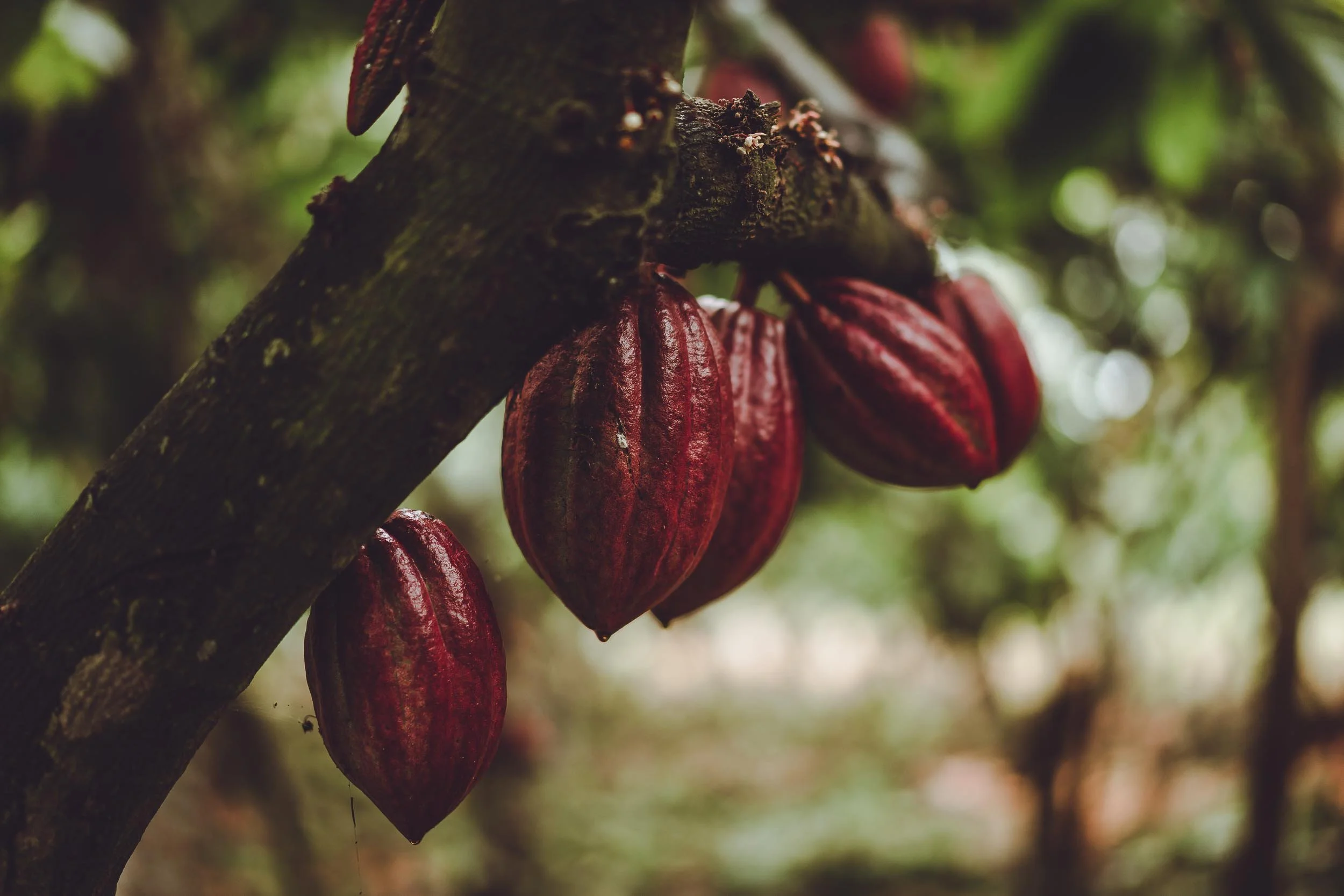
Mayan Red may be the first mention most have ever heard of a cacao bean variety. Most people are probably not aware that there are a multitude of cacao bean varieties. But at Xoco Gourmet, they are very aware of varieties. And that is the core of what makes their product special.
Double-click to edit...
The problem with the Cacao industry
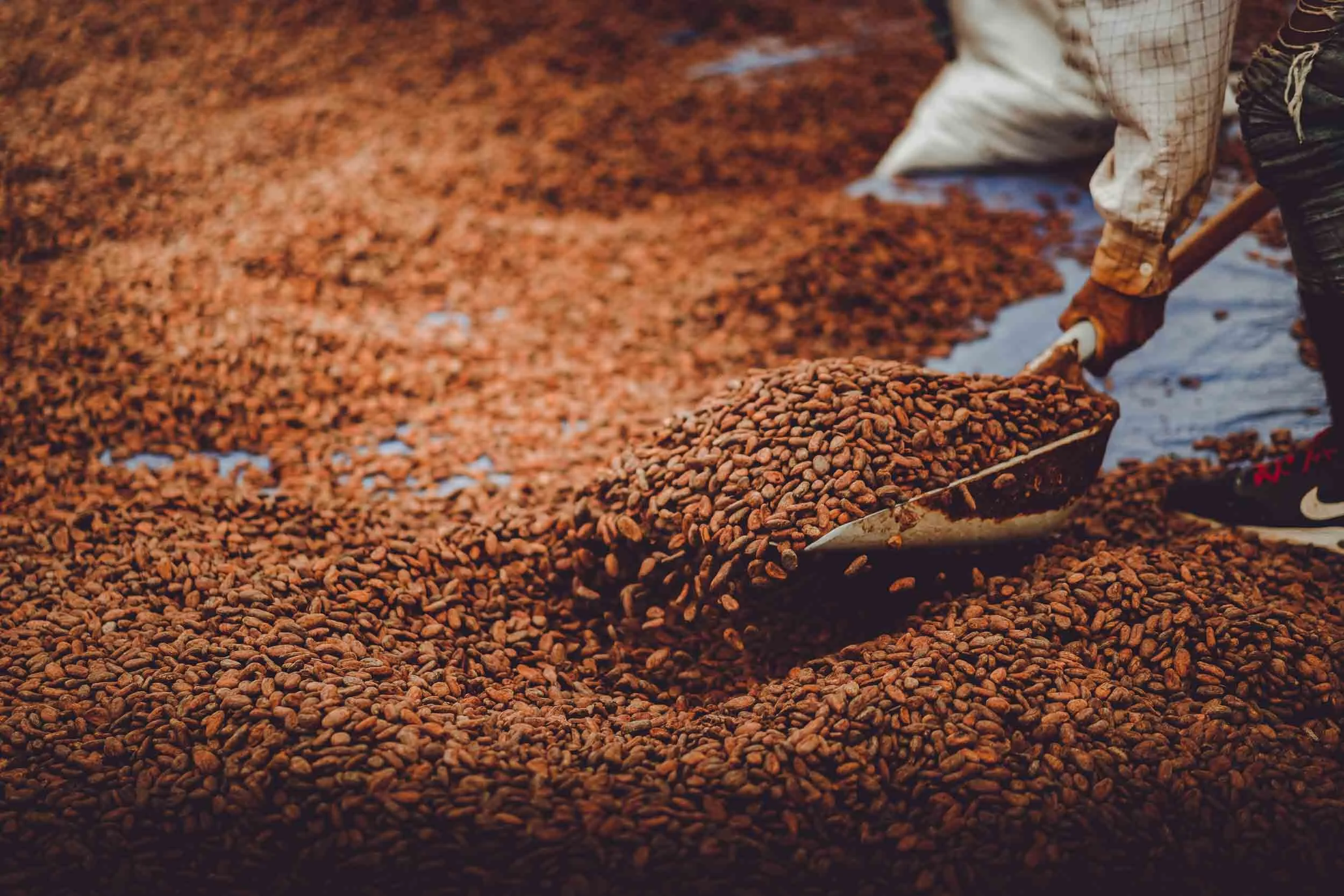
Every cacao variety has a different roasting point and that poses a problem for most of the industry that roast large batches of what is referred to as “mixed beans” - a random mix of different cacao varieties. Whenever the varieties that require the hottest roasting temperature are roasted just enough, the rest will be over-roasted. And that is where bitterness comes from. It is, essentially, a flaw in processing.
“As soon as the temperature rises above 118 C, volatile compounds evaporate,” Thomas explains, “the nibs turn dry and bitterness ensues. We Diana, our chocolate maker, to make a sample medium roast and dark roast for us for comparison,” he says, opening another two glass jars of increasingly dark, increasingly dry and increasingly bitter cacao nibs. “Just for comparison, we stated. And once she was done done staring at us in wonder, she obliged. Now you know what cacao should and should not taste like.”
The cacao industry is very complex, yet extremely simple.
“The cacao industry is very complex, yet extremely simple,” he goes on to explain. “Cacao is a commodity product produced by millions of smallholder farmers. A few big players purchase 90% of the total production. This creates a natural advantage for them in a negotiation context where producers are left with no bargaining rights. You can basically dictate your own price. Now if I, as a small farmer, were to lower my price, I have to lower my costs and then we have a whole world of problems.”
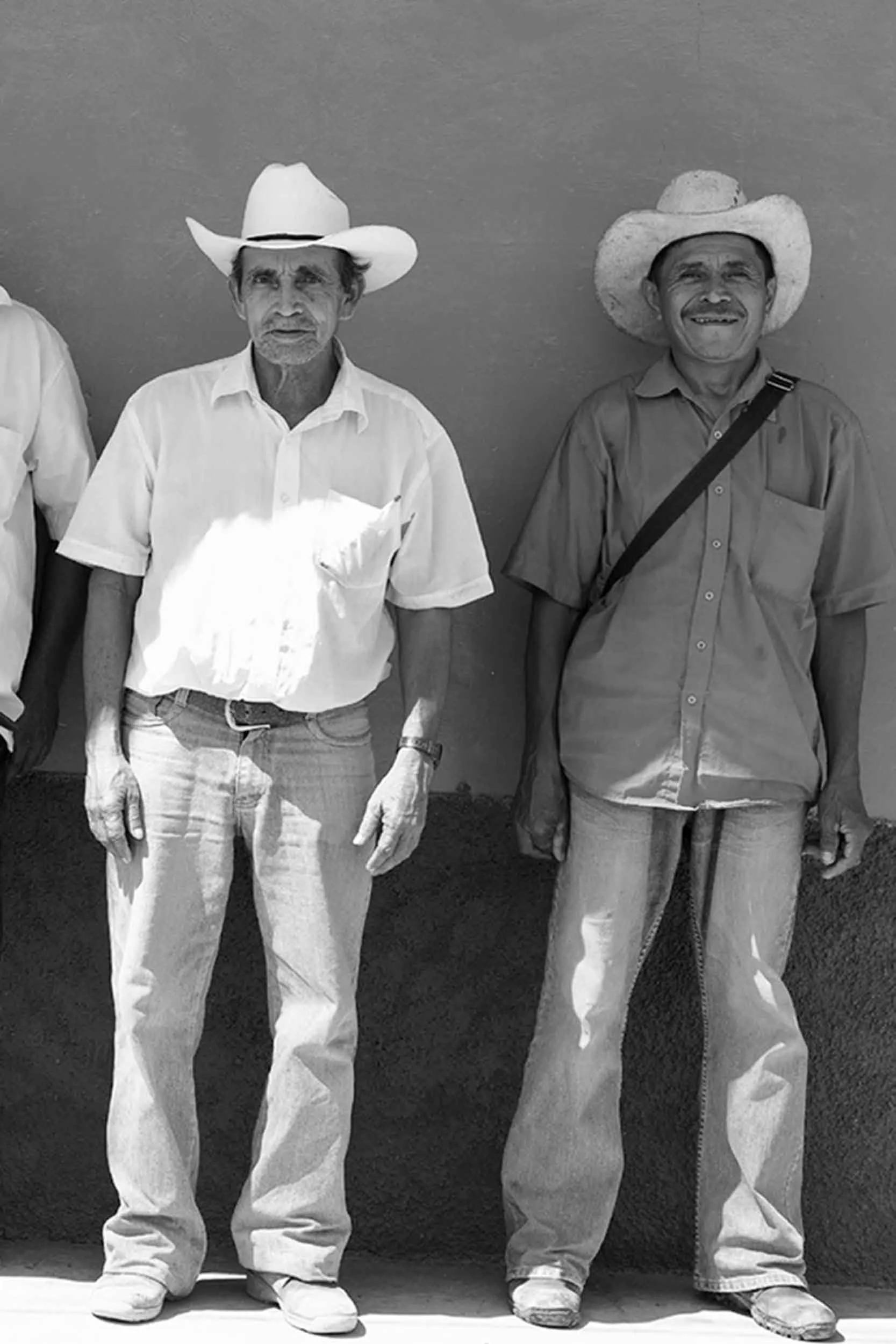
One such problem is, obviously, quality and flavor - or complete lack thereof. But something much less pronounced are the horrible working conditions created by a quest for the lowest possible price in a tropical climate. Conditions that are, in the worst cases, comparable to modern day slavery. But what, then, is the solution? Xoco Gourmet has a clear idea.
Can flavor change the world of cacao?
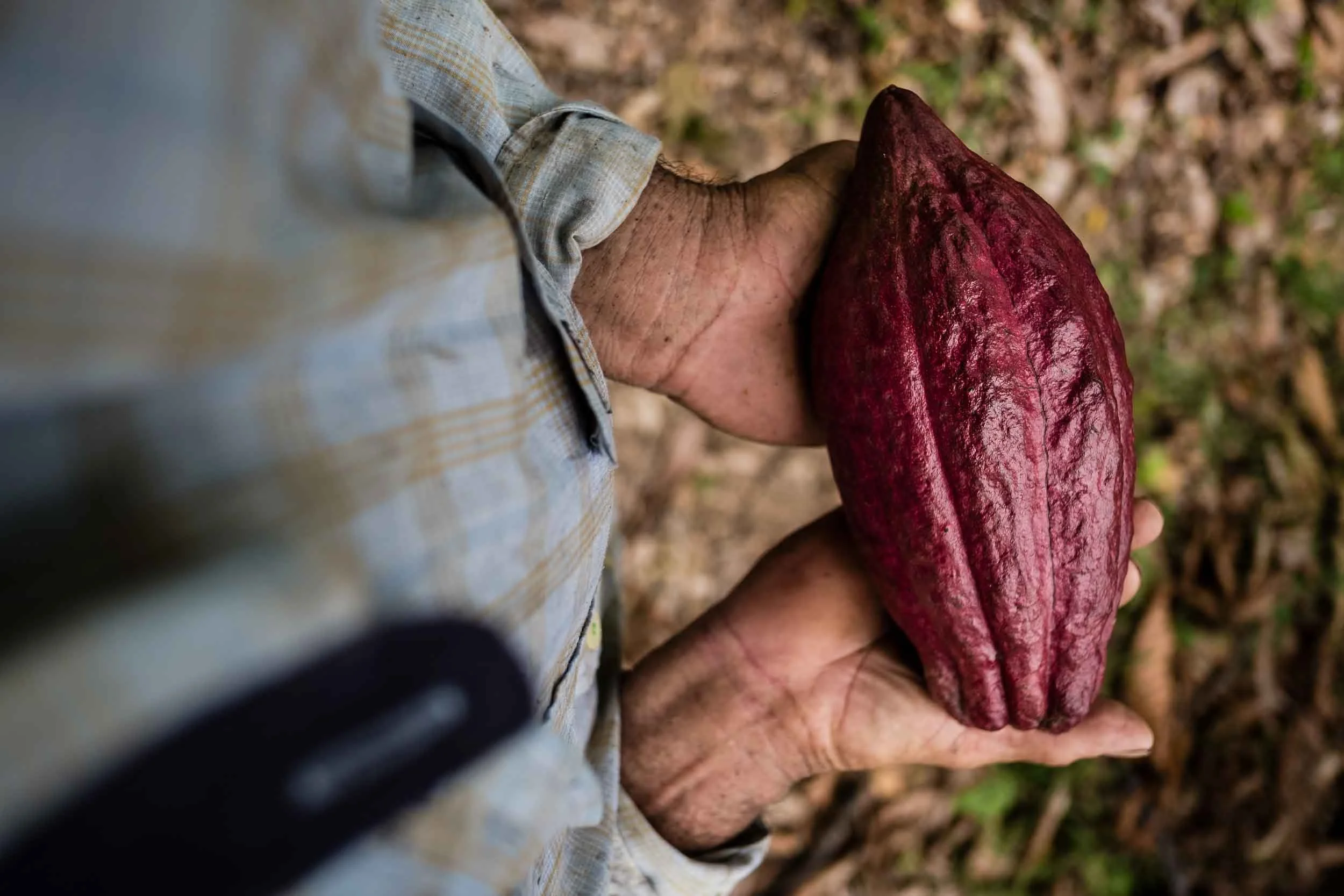
“If we are to change the industry. Let us start with flavor. We eat chocolate because it tastes well. For that reason, it would be insane for us not to do our best to make it taste better,” Thomas continues. “Cacao is a natural product. It is a fruit. The natural flavors have to be brought out. It is a fruit like any other. Only incredibly more complex. Quality is value and we evaluate chocolate by its flavor. Therefore, if we improve the flavor, we create the value.”
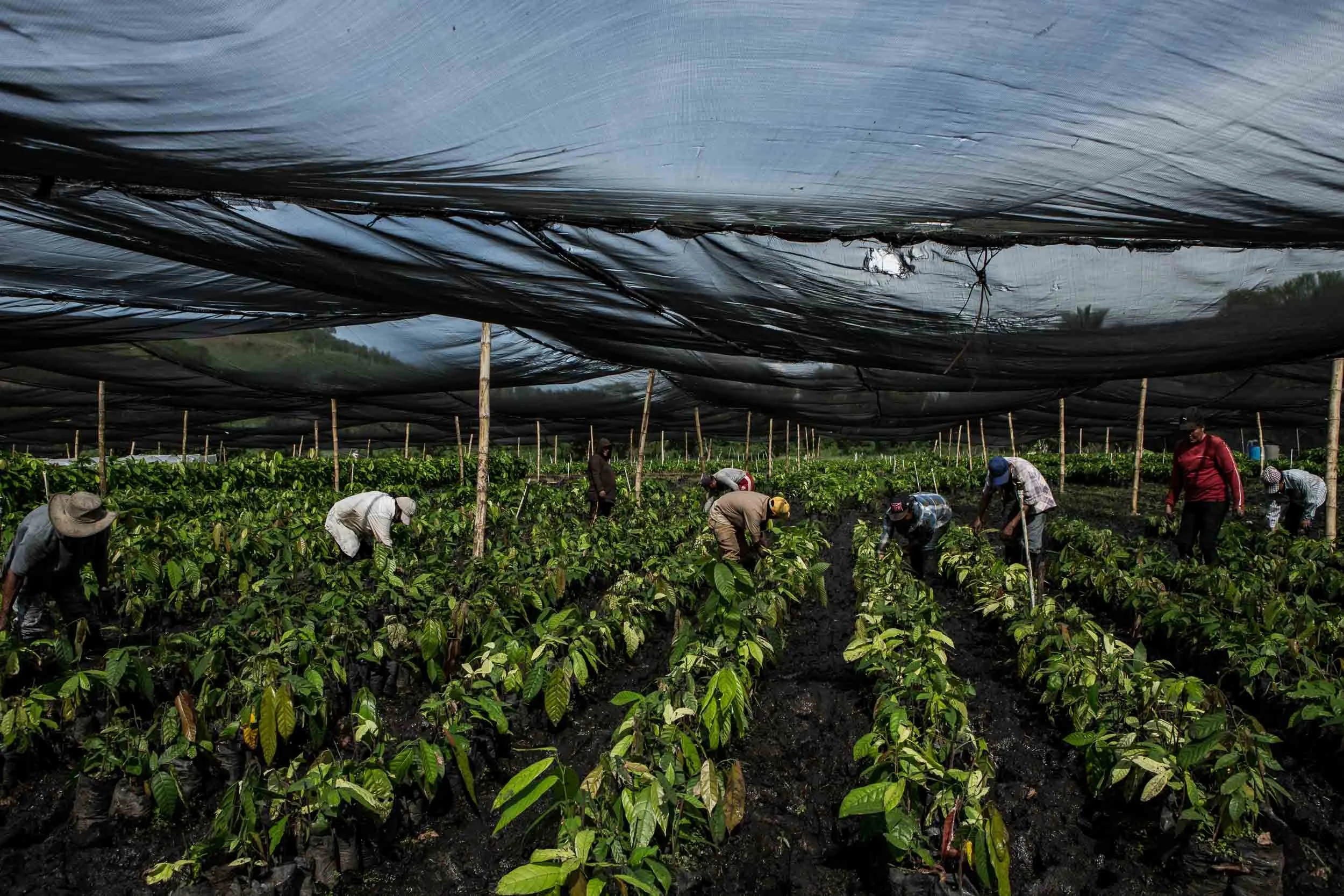
At this point of the conversation, his boss and founder of Xoco Gourmet, Frank Homann, who has till now paced silently around the room cuts in: “The process seems simple, plant a seed, nurture it and let it grow. However, if you do so, the resulting fruit will taste nothing like the mother fruit,” He explains. “If you take a branch from the same mother tree, however, and graft it onto the new tree, you will get the same taste. And a much higher yield. That is how things have always been done with fruit trees in Europe. But never in the tropical belt. We are the first to graft for flavor and variety.
It is quite a colonial approach, putting the chocolate maker at the center of attention.
Standing here, in the middle of a modern metropolitan, tasting the vast difference attention to detail means to cacao quality, a mind-boggling simple question pops to mind: Why has no one ever thought like this before? But it is exactly standing here, thousands of miles from the remoteness of the Central American mountaintops where the beans originated, that you get to the core of the problem.
“Chocolate makers live in temperate climates,” Thomas states diplomatically. “They are blind to the very basics of cacao production.” - “I talked to one of our major competitors once,” Frank jumps in. “About variety and flavor. As I spoke, I could see his eyes glaze over. He did not even know that variety of beans was even a thing. Cacao was something that arrived in containers.”
And then the bomb drops. “He did not even know cacao came from a fruit tree,” he grins, wryly. “It is quite a colonial approach, putting the chocolate maker at the center of attention. No one cares about the production, it is something that happens over there,” he says, pointing mockingly at no direction in particular. “This is so fundamentally wrong. Cacao is a holistic product that begins with a tree. But not just any tree.”
“Single origin chocolate is a hoax” Frank continues, having talked himself warm now. “As are so many other marketing terms invented to signal quality. Not all beans from Ecuador taste alike. It would be completely absurd to argue that. That would be like saying all apples from Denmark taste alike.”
No two cacao bean varieties taste alike. And no two varieties need the same treatment to shine, the two argue. If you want uniformity and quality in flavor, you need to think ‘single variety’ rather than ‘single origin.’ “The main reason why this industry has a problem is that everybody relies on mixed beans of different varieties,” Thomas says, “It is because that is the cheapest way of doing things.”
Single origin chocolate is a hoax. As are so many other marketing terms invented to signal quality.
Grabbing the problem by the roots - Joining hands for a brighter future
And suddenly we are back at the root of the problem: Cacao farmers are usually very small businesses. While chocolate makers are usually very big businesses. In this equation, the little man has no say.
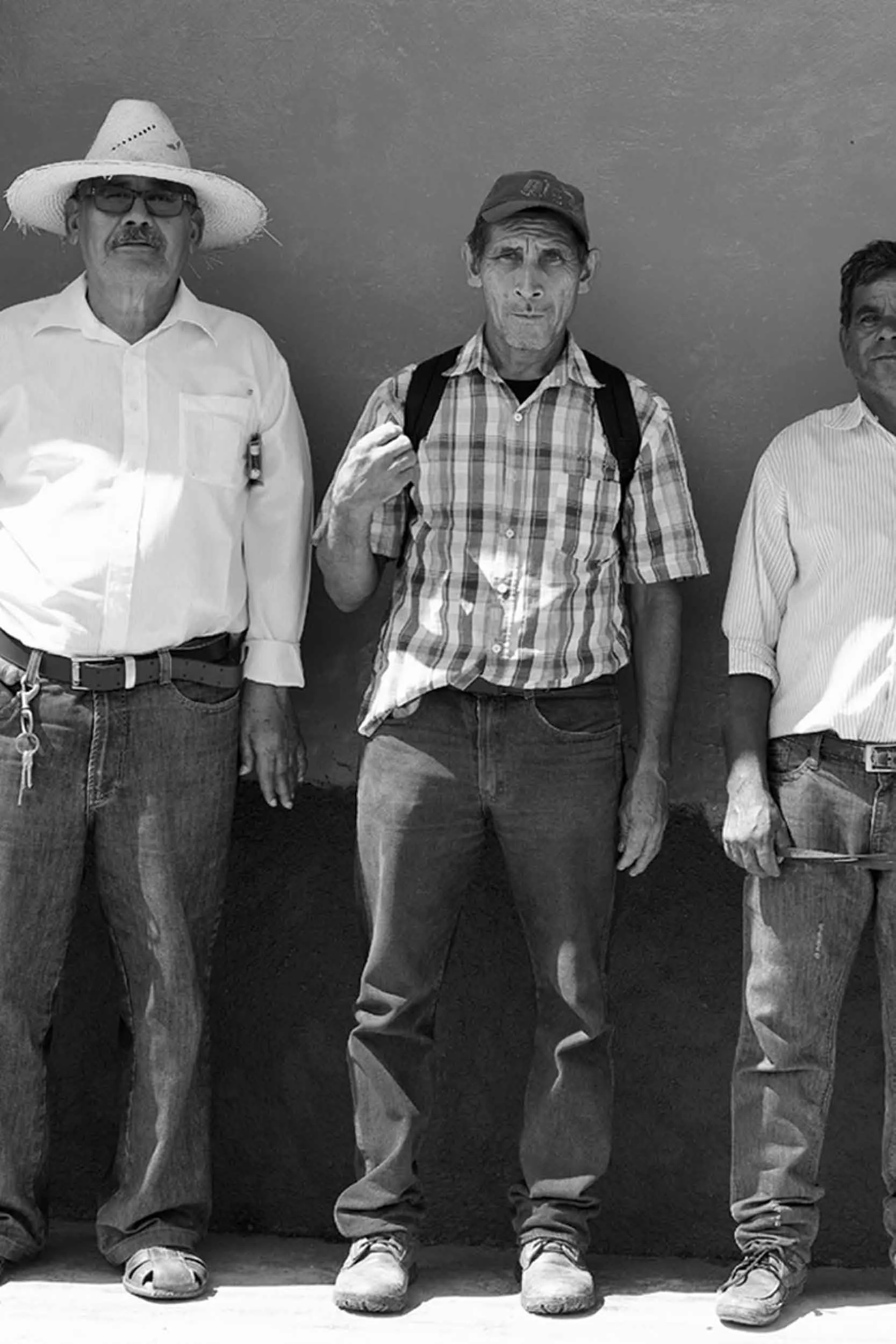
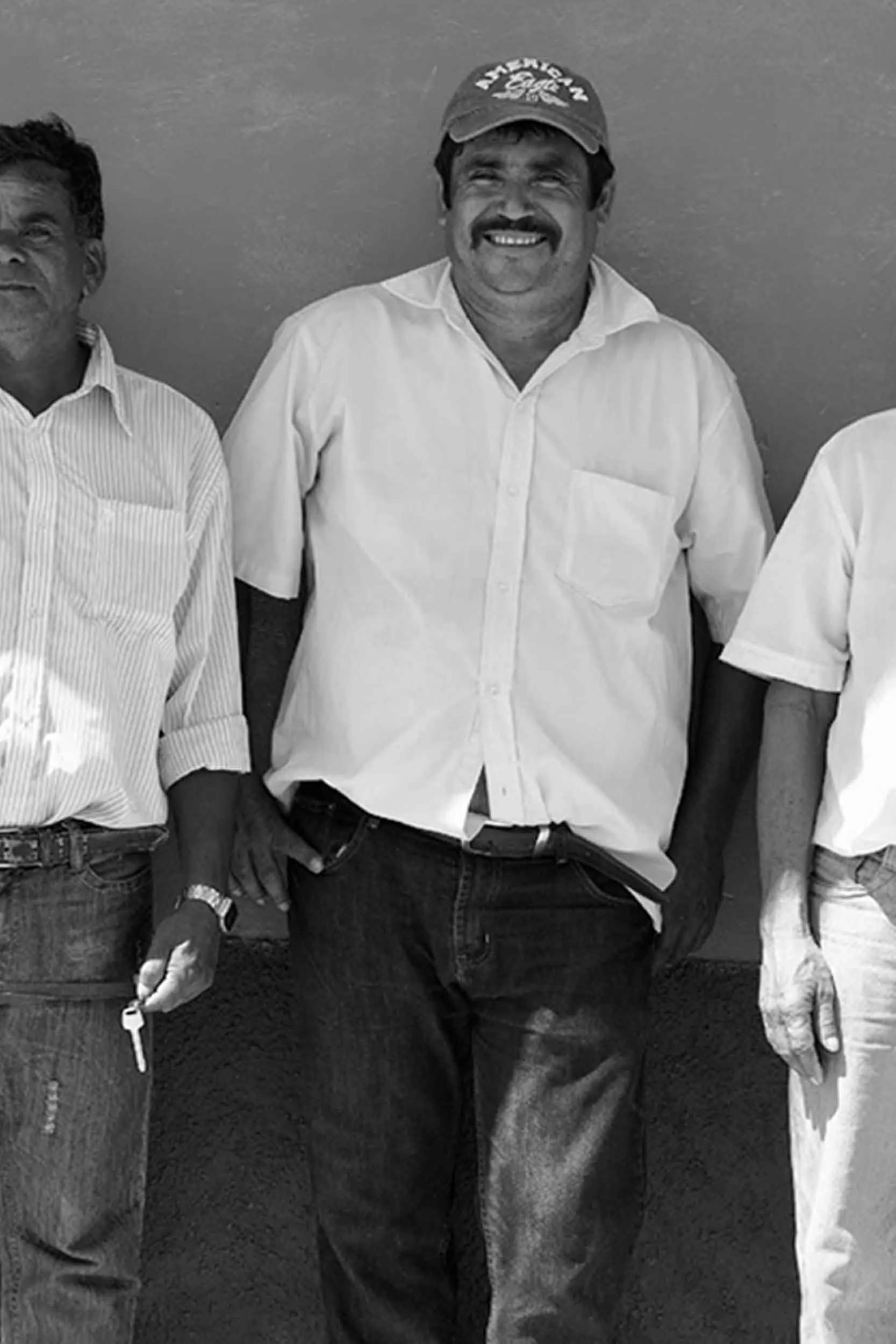
Unless you join hands as is the case with Frank’s Xoco Gourmet venture. They have found a very simple solution to empowering the small farmer and securing him a better price. “We have 200 partner farmers as well as our own farms, in Honduras, Guatemala and Belize. Most of them very small, remote farms. Farmers who could never fill up a fermentation box on their own,” Frank explains the concept.
Double-click to edit...
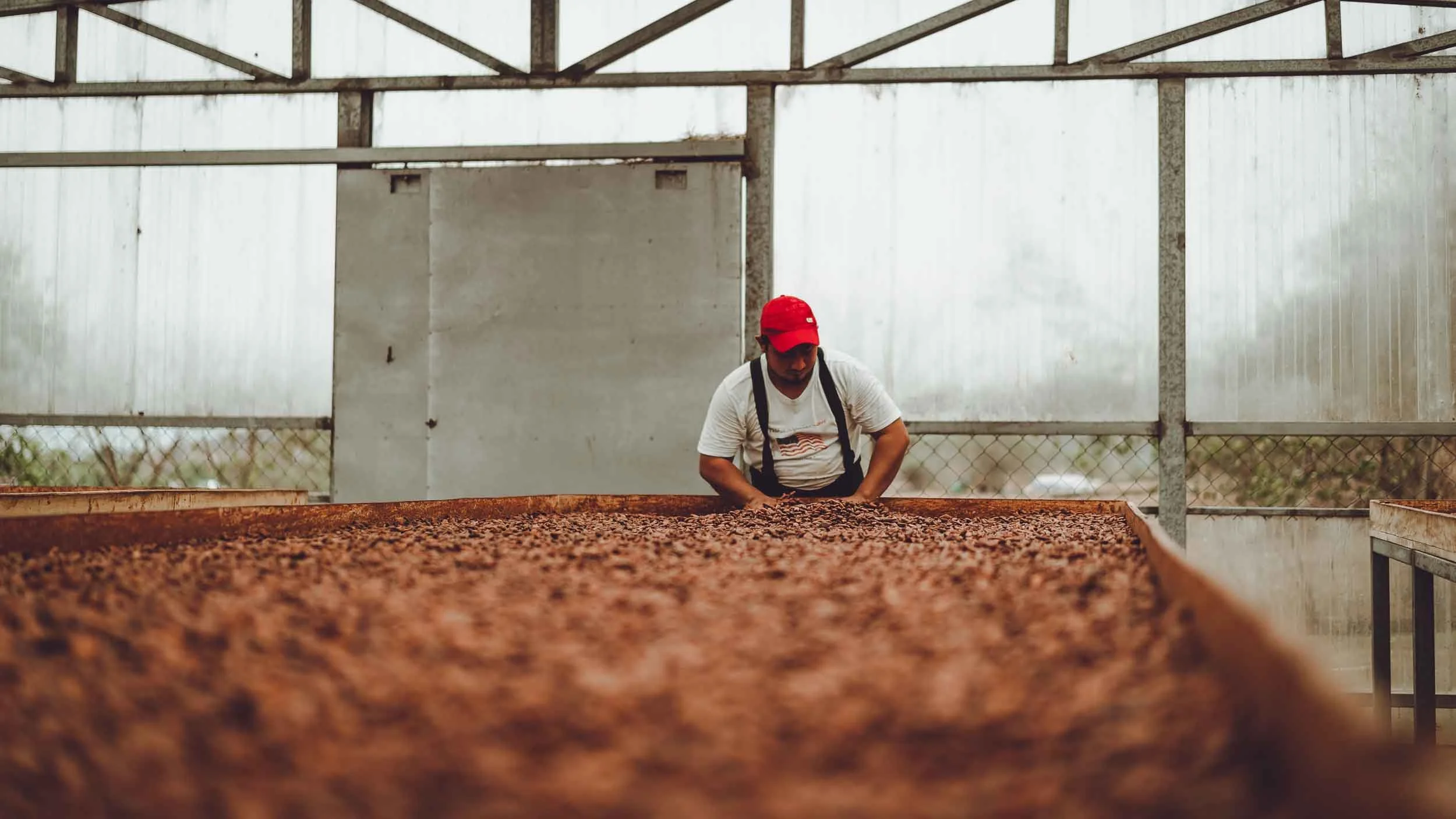
A fermentation box is the minimum barrier of entry into the quality cacao market. If you cannot fill up a fermentation box, you cannot even begin to produce cacao.” Basically what we do is make sure our hundreds of farmers grow the right variety of cacao in the right way,” Thomas adds, “and in turn, we control the input and the entire production process.”
It is kind of a bumpy ride. In more ways than one. These people live on mountaintops in the jungle and have very, very little. It takes 4-5 years for a cocoa tree to bear fruit and the crops need care for all of that time. So Xoco Gourmet works with philosophy and investment over time. They invest in them, offer free technical assistance and strive to bring them to a level where they can slowly but surely rise above the poverty line.
But the support does not end there. It is present in every joint of the supply chain. During the harvest season, you will see Xoco Gourmet’s little trucks bumping up and down holed mountain roads and fill milk jugs with the freshly harvested pulp from partner farms. They then transport it to the communal processing facility where they are fermented in large batches.
Double-click to edit...
Not the end of poverty, but the beginning to an end
“It is a win-win situation for everybody,” Frank says honestly and proudly. “We get a superior product and they get a superior price. The individual, small farmers simply do not have the time or surplus energy to take care of these setps. It is just not going to happen,” Frank states matter of factly. “And it should not,” he adds. Xoco Gourmet would much rather that the farmer focuses on quality in production and collects the best possible wages for all his hard labor.
It is not an end to poverty, but it is the best possible solution to a major problem: It creates a better product for a quality-conscious buyer as well as better living standards for the farmers who perform the back-breaking labor. It is not an end to poverty. Or the changing of an industry. But it is, in so many ways, a beginning.
“Our plan was never to go out and become the next big player,” says Frank nearing the end of the tasting. “Our goal is to inspire an industry. To make others wake up and realize that chocolate can be something more than the mediocre product that is today’s standard. I believe that our little project can serve as a wake up call and lead to a better world. We can start by creating a better product, but we also need to address the fact that a lot of fucking people make a good living off of other people’s misery.”
