
Double-click to edit...
FRANK HOMANN
Neither cacao king nor social worker. Merely human.
PUBLISHED november 2021 ı PHOTO: yeswefood
Sit down. Close your eyes for a second and think of quality, dark chocolate. What notes pop to mind? Intense, roasted, bitter notes, right? Wrong!
According to cacao-connoisseur, Frank Homann, bitter notes are signs of faults in cacao production - and of the cocoa industry as a whole. Forget for a while all you thought you knew about cacao and chocolate and behold the world through the eyes of the Patron Saint of Cacao and Flavorful Chocolate.

Double-click to edit...
A bitter tasting industry
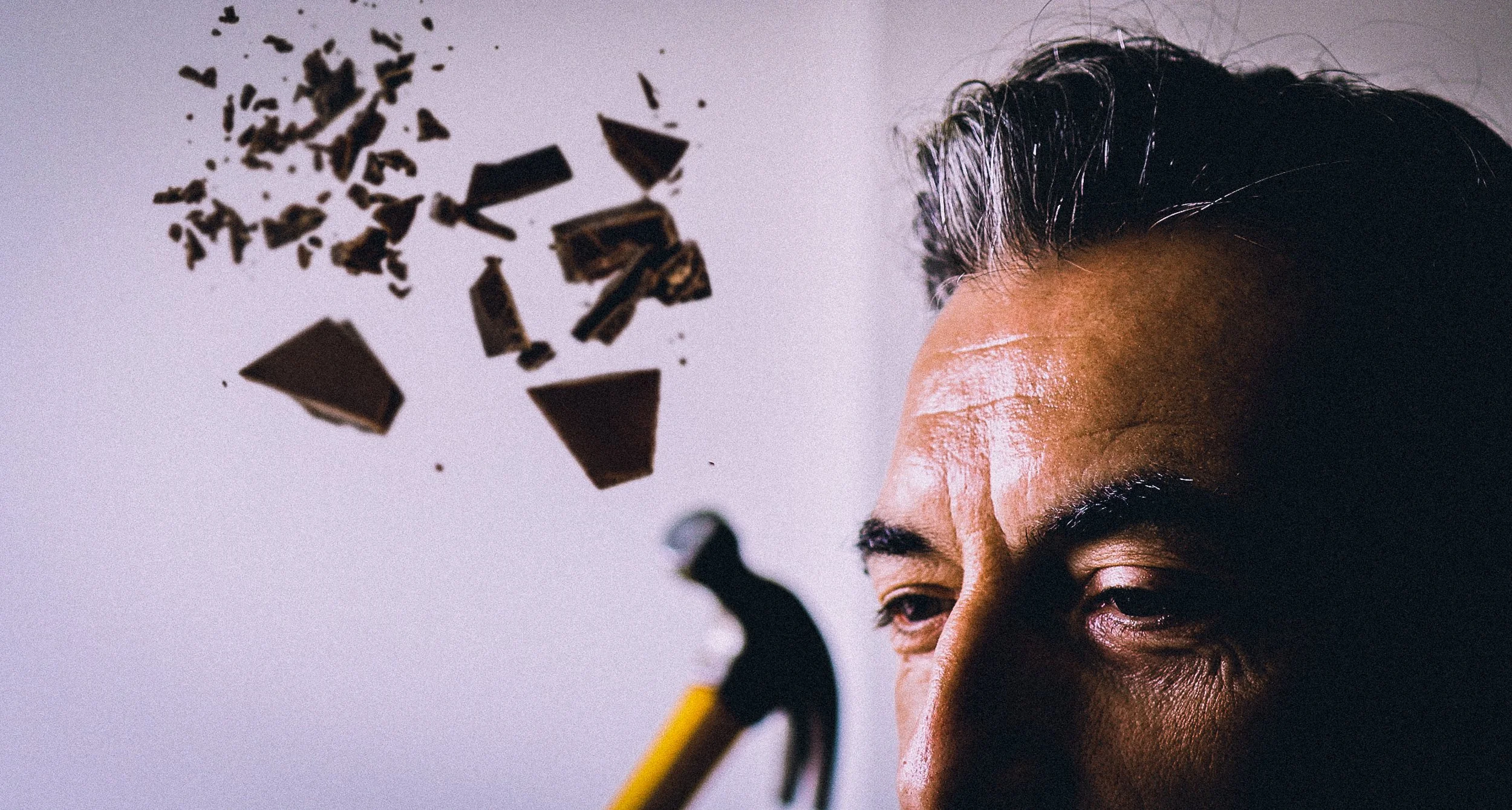
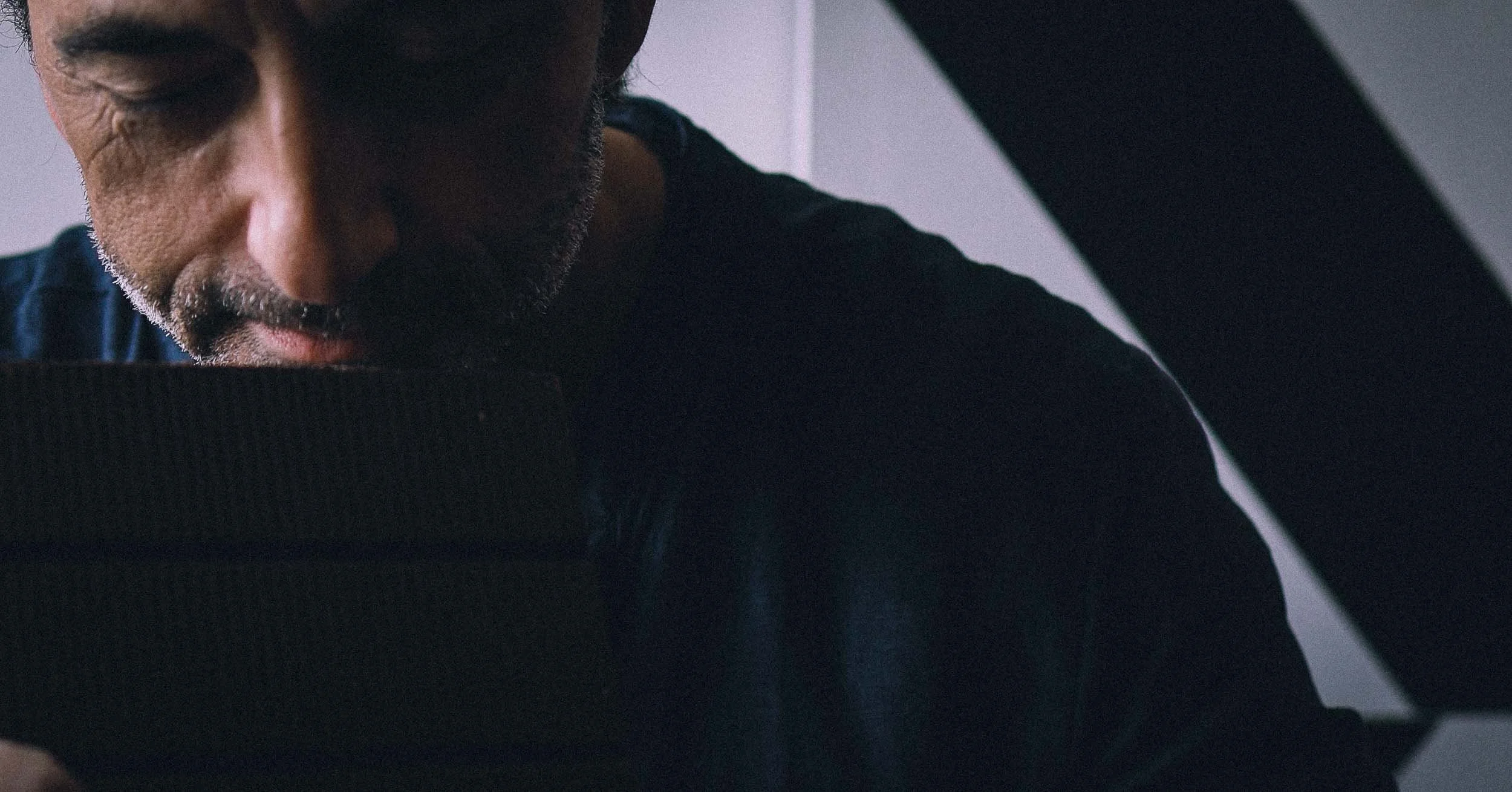
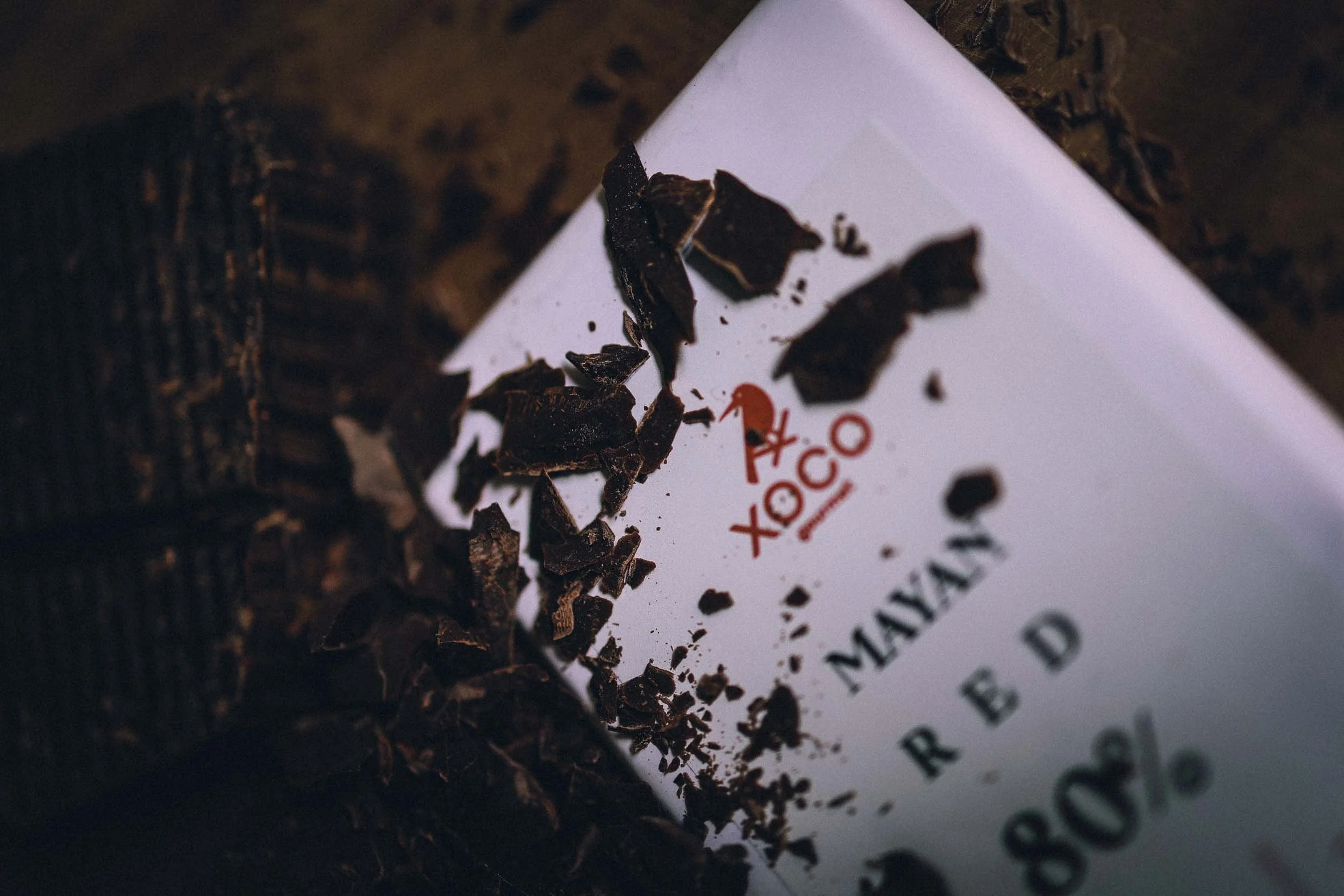
“Bitterness is a sign of poor quality control and poor roasting. No one cares much about quality in this industry,” he sighs. The autumn afternoon sun falls lazily through the windows, illuminating the serious lines of his face as he paces slowly across his Copenhagen office space. The air is thick with the weight of his words. And the intense, fruity and floral smell rising from the cracked chocolate bar lying in front of him as if smashed by the power of his sentiments.
There is bitterness to his words but not to the smell or the taste of the chocolate he has cracked for sharing. It is exactly as he thinks it should be - and unlike any other chocolate in the world: floral, fruity, silky smooth and with no sign of bitterness. It is, essentially, the chocolate equivalent of the finest Pinot Noir from the rolling hills of Burgundy. To Frank, this is what chocolate should be. And for his chocolate to be like this, Frank has had to pave a new road through the world of cacao production.
Read also: Xoco Gourmet - Putting an end to bitterness - a talk with the Creative Chocolate Rebels
“All anyone in the cacao industry cares about are costs. And if that is all you care about, you end up with an inferior product and even worse working conditions.” He smiles softly. It is a tired kind of smile. But passionate and caring. As if directed towards what he considers the victims of an industry; the cacao farmers. “If poor farmers are encouraged to cut costs, the only way they can do so is to produce a worse product or provide worse conditions for workers,” he says.
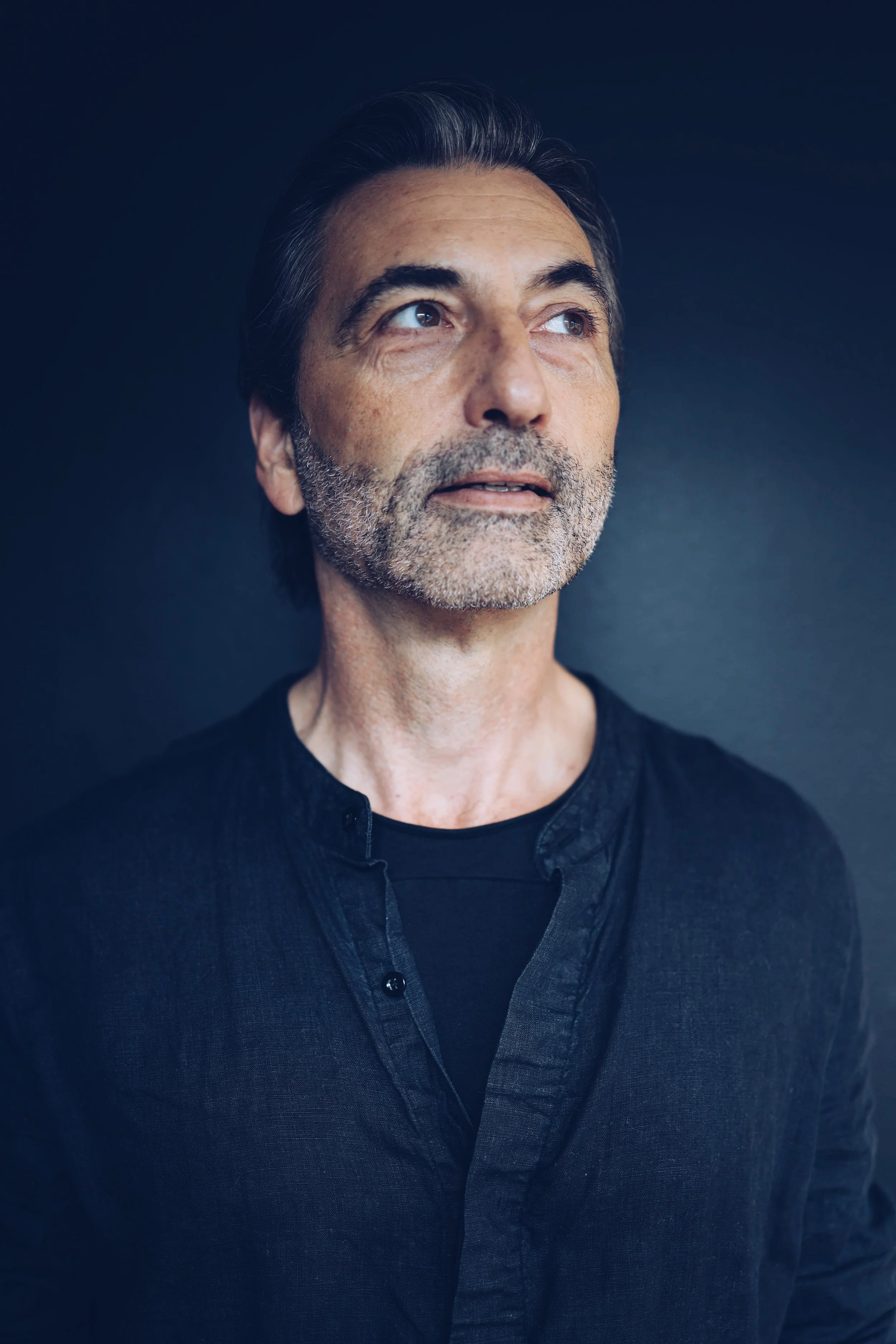
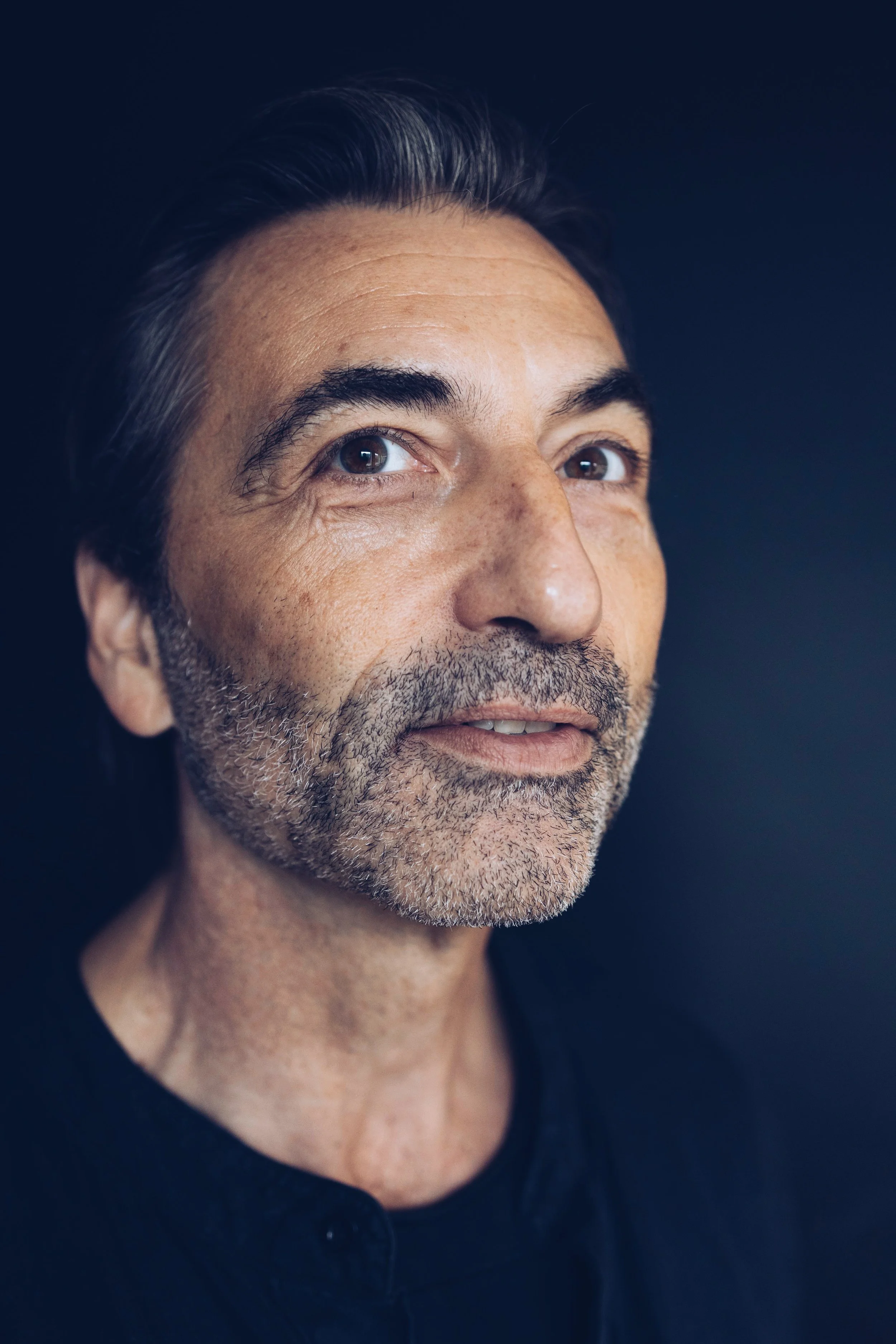
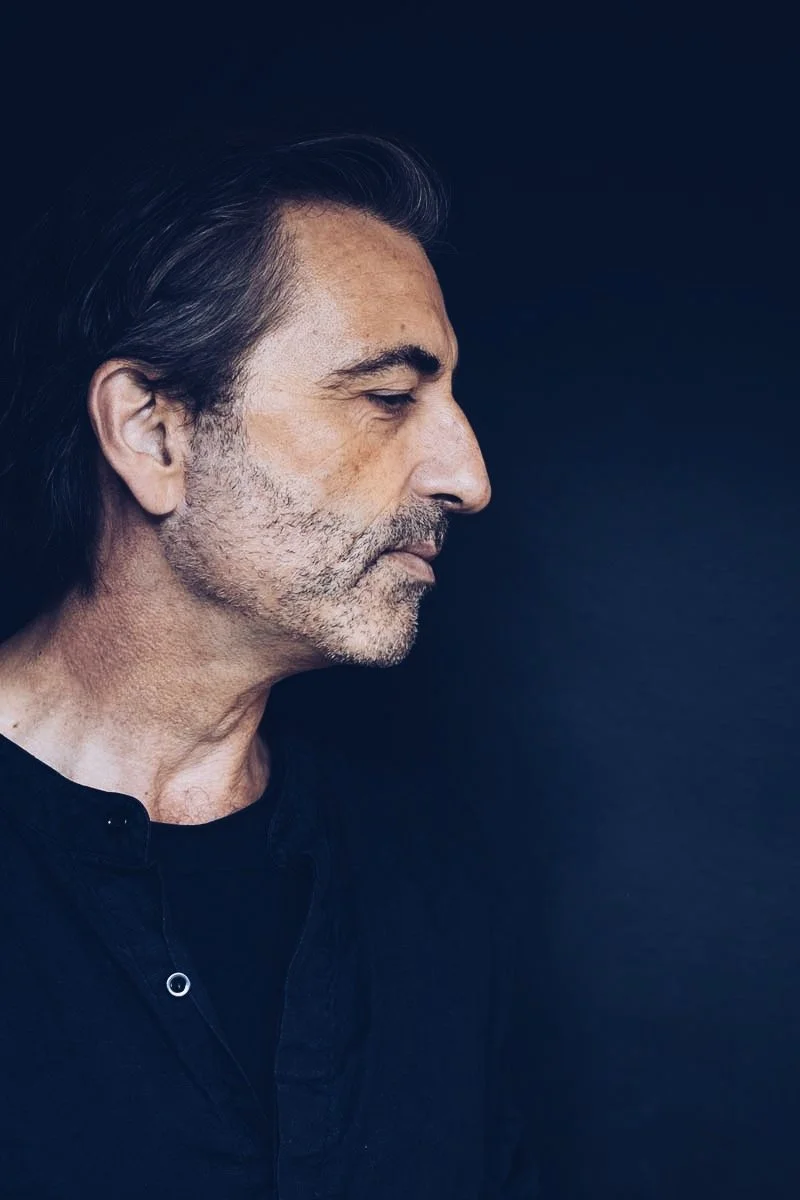
You are goddamn privileged not to be born on some fucking MOUNTAINTOP in Honduras
His words do not resonate well with others in the industry. This he knows. Yet, he is past caring. 15 years ago the thoughtful man pacing around the office started a venture in Central America with the intention of creating better cacao through working with the flavors of single varieties of cacao. His idea was not groundbreaking, it was simply humane. Rather than focusing on cost-cutting and exploitation, he would focus on quality and empowerment.
Put your money where your mouth is, I said one day to myself. So I put down all the money I had.
Talking to Frank Homann on a sunny autumn Saturday in Copenhagen - thousands of miles from the mountaintops of Central America, is a captivating, thought-provoking experience. Why should he care, the question beckons. When so few seem to? Why would an entrepreneur from Denmark throw himself into a fight for better conditions on the other side of the planet? To answer the question, you have to dive into the racing mind of the speed-talking cacao perfectionist that has been called everything from cacao king to social worker.

“Seriously, you are goddamn privileged to be born in this part of the world rather than on some remote fucking mountaintop in Honduras. And this is one privilege I wanted to share,” he says. And with this sentiment began the life journey of a man who started in the military. Jumped shift a few times. Earned his financial freedom in high tech. Then moved to Central America and spent it all (and more) helping cacao farmers cast the shackles of poverty.
“I wanted to make a change. But what does it take to break the spell of poverty,” he ponders rhetorically, squinting at the light as he answers his own question: “Profit! There is no future in cheap cacao and underpaid labor. If our company, Xoco Gourmet, is to profit, and make a difference for these people, we need to create a more raw materia. If you want change in the industry, you have to produce a better quality product that creates more profit.”
“If you want people to make a change. You have to empower them. Put your money where your mouth is, I said one day to myself. So I put down all the money I had,” he smiles, “and they were gone quickly,” he adds with a hearty laughter.
Our job, really, is to make the best product in the most ethical of way.
Be the change you want to see
The process of growing and refining cacao is incredibly complex and expensive. It is not a process a small farmer in Honduras was meant to handle. Enter Frank Homann, his team at Xoco Gourmet and a growing network of over 200 partner farmers in Honduras, Guatemala and Belize. Partner farmers who were on their own too small and too poor to sustain a cacao production. But have together grown strong enough to act as one empowered entity.
For a cacao tree to bear fruit takes about 4-5 years, Frank explains. It is a huge investment of time and money, and it is very tempting for a poor man to either disregard quality and sell his product cheaply to a large corporation. Or grow something else entirely. What Frank and XoCo Gourmet have done, quite simply, is to empower, fund and support the farmers through those difficult first years.
And by the time their fruits are ripe for harvest, Xoco collect the harvested beans and transport them to their processing facility where they are fermented, dried and processed. That way, farmers who on their own were unable to meet minimum processing requirement yields can now not only sell their product- they can sell it at a much higher price than any competitor would offer.
And because top effort and quality control was put into every step of the journey, Frank, in return, gets a product of much higher quality than that of his competitors. That he can sell at a premium price. It is, as he so simply puts it, a win-win situation.
This way, he argues, more value trickles down the supply chain. The farmers profit and are inspired to work smarter and better for the sake of creating a quality product. “Xoco Gourmet’s role, really,” he sums it up, beautifully, “is to make the best product in the most ethical of ways.”
He then turns his head and stares philosophically out the window at the sinking sun.
Double-click to edit...
Are you the product of your life’s work?
“The process is so important when it comes to reaching your goals,” he says dreamily… Life is a sort of abstract we cannot explain. It is all about simply being. But being is a hell of a lot more fun if it is connected to something beautiful. It is in a way reassuring that I have found beauty and meaning in what I do. And the big, wonderful mystery that is life.”
“After five years of doing this, someone told me this is your life’s work and it freaked me out,” he admits. “What the fuck,” thought the serial entrepreneur. Literally and figuratively.
“My plan was to invest five years of my life and move on to something new. Now, 14 years later, I finally realize it probably is my life’s work. And I am somehow a product of my life’s work. I feel connected to the product I have created. And the product is a sum of a lot of good things. We have created quality, dignity and better living conditions for a lot of people.”
“In the end, this is not about whether we are cacao kings or social workers,” he stresses. “This is about being human. Being decent human beings. And that is what we try to be in a polarized world of superficial slogans about sustainability and ethics.”
After five years of doing this, someone told me this is your life’s work and it freaked me out
Double-click to edit...
“One of our very first farmers,” he brings his story home, “we helped him earn enough money to buy himself a small truck. With it, he could drive down to the local town and buy the diabetes medication he so badly needed.”
“He is dead now, sadly,” Franks says with his signature, compassionate smile, “but we gave him an extra ten years. And we helped him fund his daughter’s education so she could move to the city, work as an accountant and break the vicious circle of poverty. It is the little things. Rings in the water. Real people. Future.”
It started as a five year plan. Somewhere along the road, five years turned into fifteen and a job turned into a life’s work. Yet, as Frank Homann approaches the end of his 2 hour monologue, he seems nowhere close to done.
“My real measure of success is to act as an eye opener. To somehow inspire the big players into changing their game. That is my ultimate goal. At that point, it is time for younger powers to take over and for me to start a new company. That is the way it should be.”
