
Double-click to edit...
Nordic harvest
Where to next, Anders? The future of Europe's biggest vertical farm
PUBLISHED DECEMBER 2021 ı PHOTO: YESWEFOOD
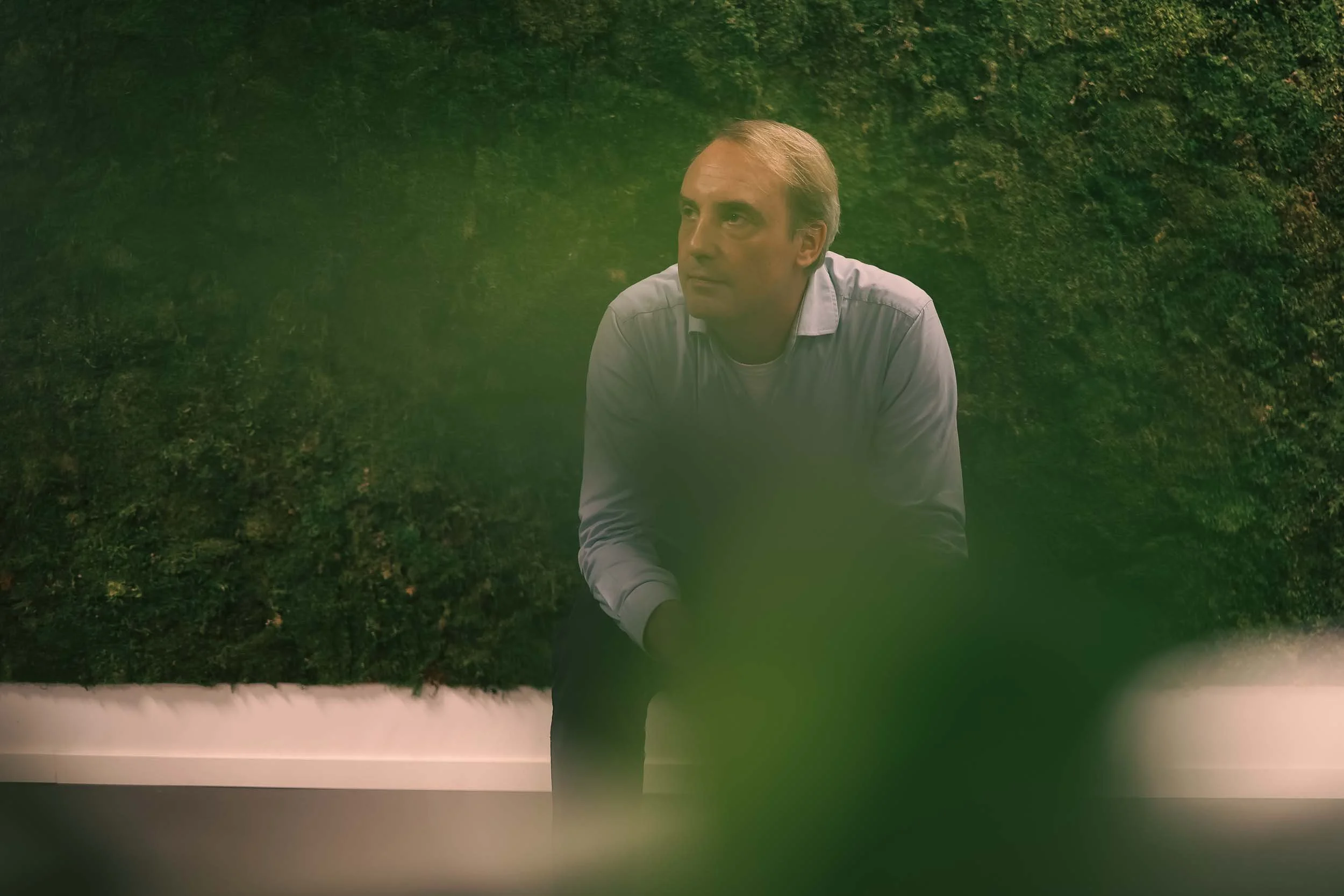
A decade ago, Anders Riemann was struck by an impossible dream: Changing the way we farm by moving plant production indoors - using LED-lighting and robots. Today, he operates Nordic Harvest, Europe’s biggest vertical indoor farm. Tomorrow, he wants to boost Earth’s lungs by planting 2000 hectares of Giant Redwoods across Scandinavia. Can one man’s dream make a difference for the world? Get the math behind the madness in this exclusive talk with Denmark’s perhaps most unusual eco-warrior.
Since his early childhood, Anders Riemann has been fascinated with nature. Trees in particular. Still, the majority of his years have been spent working as a financial analyst in the bank sector, turning only to nature when his brain needed rest.
“Whenever I am tired after a long day of crunching numbers, or I need to calm down before bedtime, I turn to nature,” he says. “When I need to relax, I read about nature, trees, and forest development. When I need calm, my thoughts turn to trees.”
His story of how a passtime fascination led a financial analyst to attempt to change the world through alternative ways of farming, is full of complicated plot twists that are likely to inspire awe. And as so many other stories of change, it all started with no uncertain amount of frustration.
Double-click to edit...
This is a deeply twisted perception of how to live in balance with mother Earth. And, for the sake of future generations, it has to change.
“I was frustrated on a personal level,” he explains honestly on being in his mid forties and feeling stuck in life. “When my time to retire one day came, would I have reached my full potential, I one day asked myself. I certainly did not feel so.”
“On a more societal level,” he continues, “I was devastated to see the way we humans mistreat the planet we were given. We assume we are kings of the land. That we may fell forests, make changes and kill animals at will. This is a deeply twisted perception of how to live in balance with mother Earth. And, for the sake of future generations, it has to change.”
But how exactly does a man achieve his full potential? Let alone change the world? One day, the answer came to him. Or rather, one very early morning. That is the beauty of idea, they can strike at any given point in time and space. Even at 3 AM Sunday morning on a Metro line in Central Copenhagen.
“I wonder,” he thought to himself on his way home from dinner with friends. “Could LED lighting be used to efficiently farm greens and vegetables. Indoors and sustainably. Could I, using artificial processes, create a crop production that would rival or even surpass traditional farming methods. In the end, freeing up farmland to be reclaimed by nature and the forests I so love?”
A fundamentally different approach to climate change
It seems like a completely radical idea. And, indeed, this is exactly where Anders Riemann’s mindset differs from other champions of climate change. Unlike most of his peers, he looks to urbanization as a means to a better world. “We need to stop people from seeping out of the cities. We need to fuel urbanization and gather our assets within cities,” he states, laconically, as he continues to explain the idea that struck that early morning.
”The less space the animal that is man consumes, the less we are likely to destroy. My idea became about creating balance in nature by finding new sustainable ways of farming in smaller, confined spaces close to our main centers of population. Creating better balance for our planet and freeing up large areas to be reclaimed by nature.” To the onlooker, it seems paradoxical to think that someone who loves nature as Anders Riemann would look to indoor farming as a solution. But there is a truth and logic to his reasoning, he reassures.
“Where others see a beautiful Danish rapeseed field, I picture a forest that was cut down. It may as well have been a Brazilian rainforest. It is equally tragic. I want to reclaim that forest. To replace the field with natural forest. Our highly ineffective agricultural methods of today are harmful to the planet.”
The less space the animal that is man consumes, the less we are likely to destroy.
There is something oddly perplexing about hearing someone who looks and sounds like a banker talking about saving the planet through urbanization, industrialization and artificial lighting. But this is where the human juxtaposition that is Anders Riemann, financial analyst and climate activist, starts to shine. Far fetched and impossible as his ideas might seem, he has the data sets and business cases to defend them.
In fact, he quit his job and worked relentlessly around the clock for six years - without a paycheck - to prove his dream possible. In theory and in practice. He analyzed, calculated and he researched everything from the subtleties of photosynthesis to plant behavior. Around the clock, he completely immersed himself in his seemingly impossible dream. And what he eventually discovered, in what would become his massive warehouse outside of Copenhagen, was astounding.
Double-click to edit...
Daring to dream
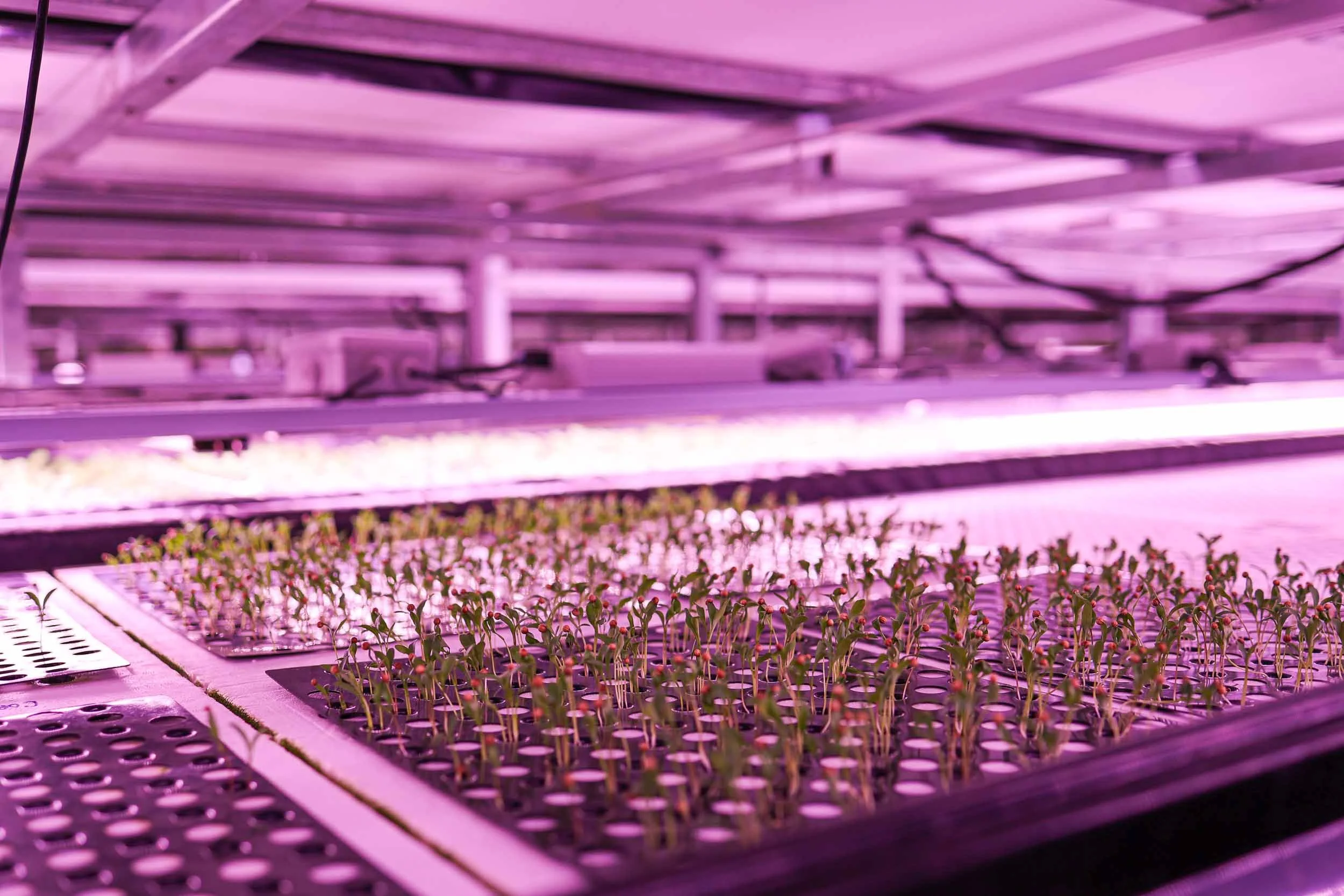
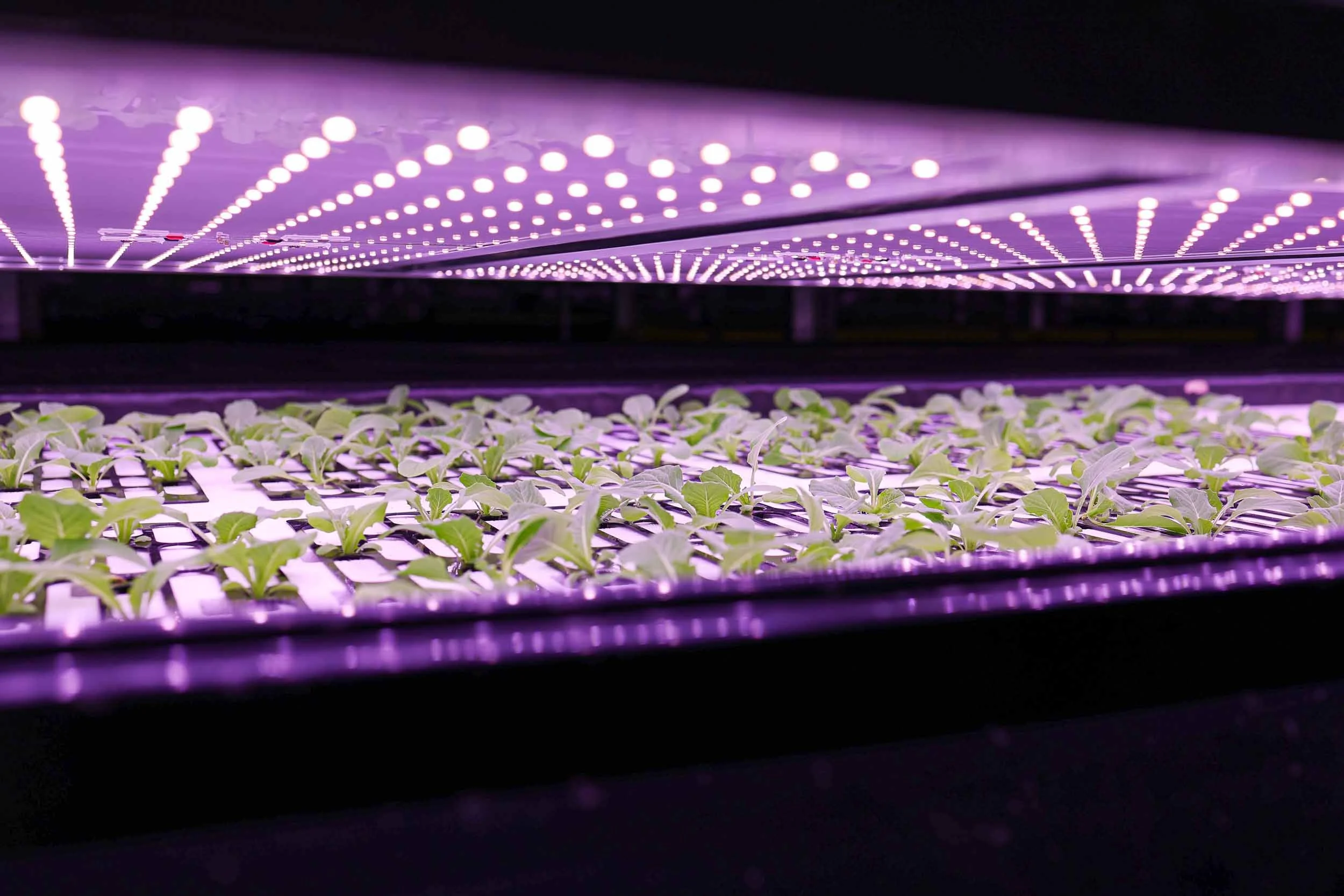
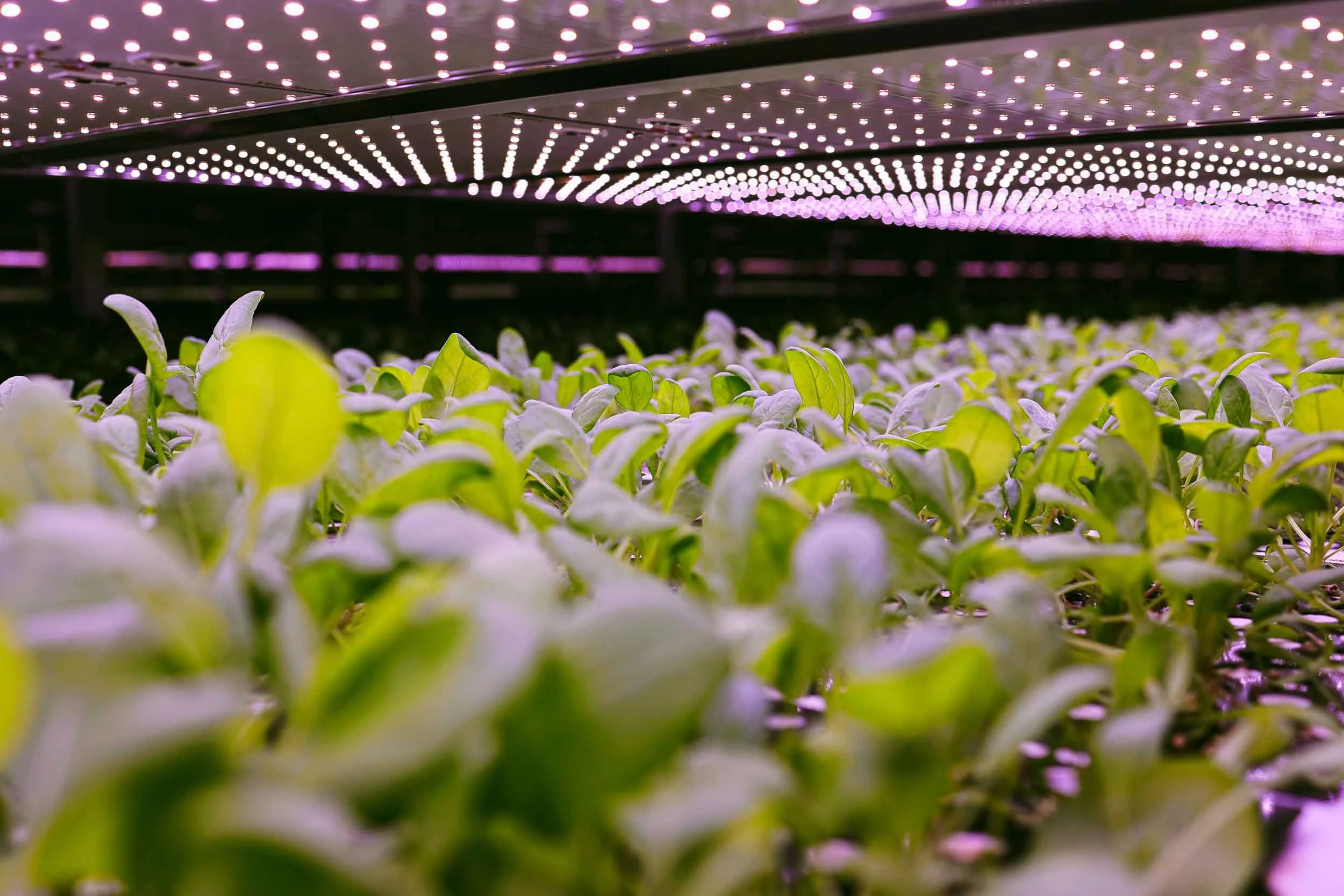
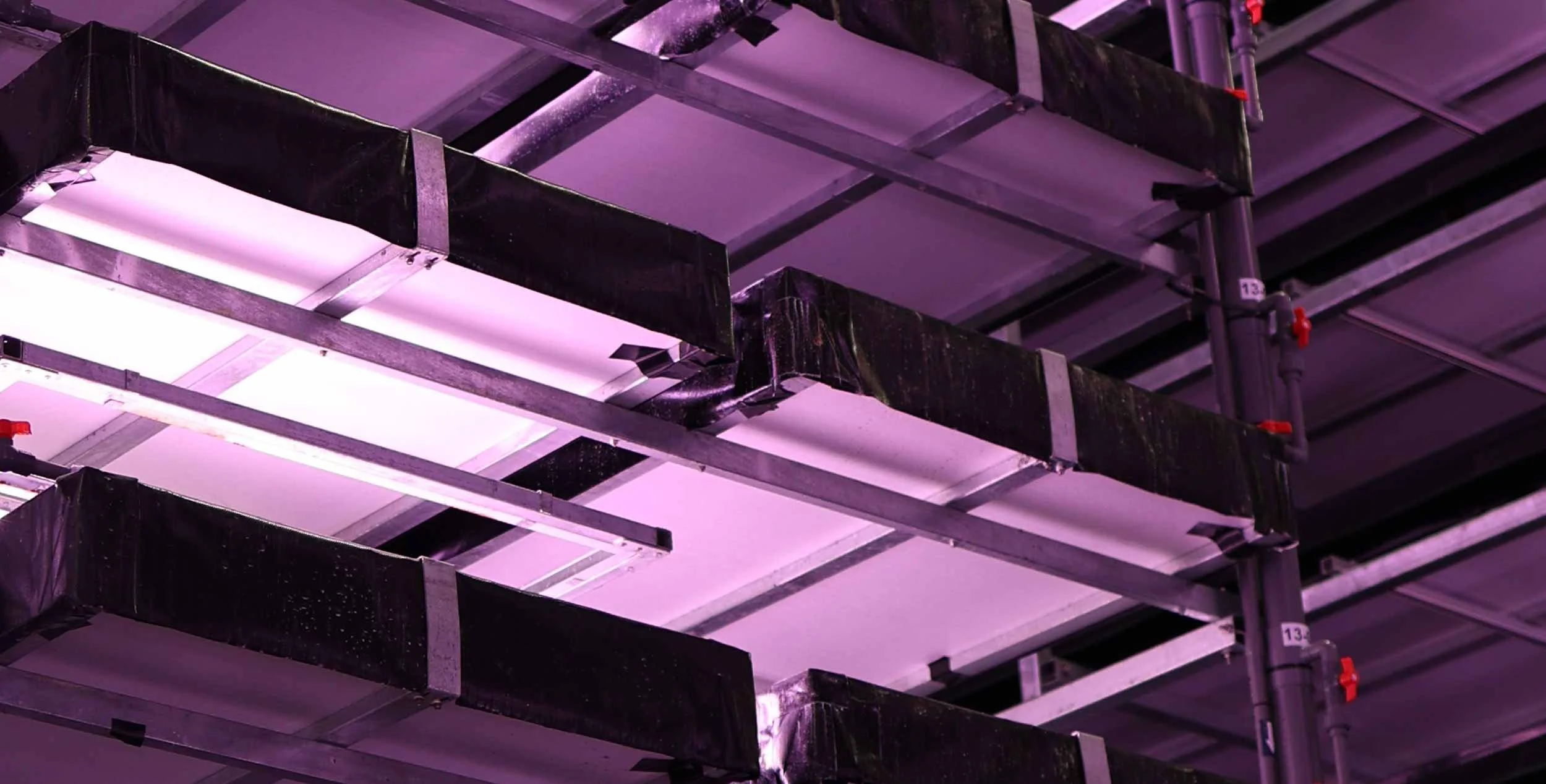
Not only could greens be grown inside, he found. They thrived under LED lighting, stacked in layers and could grow without soil, immersed simply in a very limited supply of completely recirculated water.
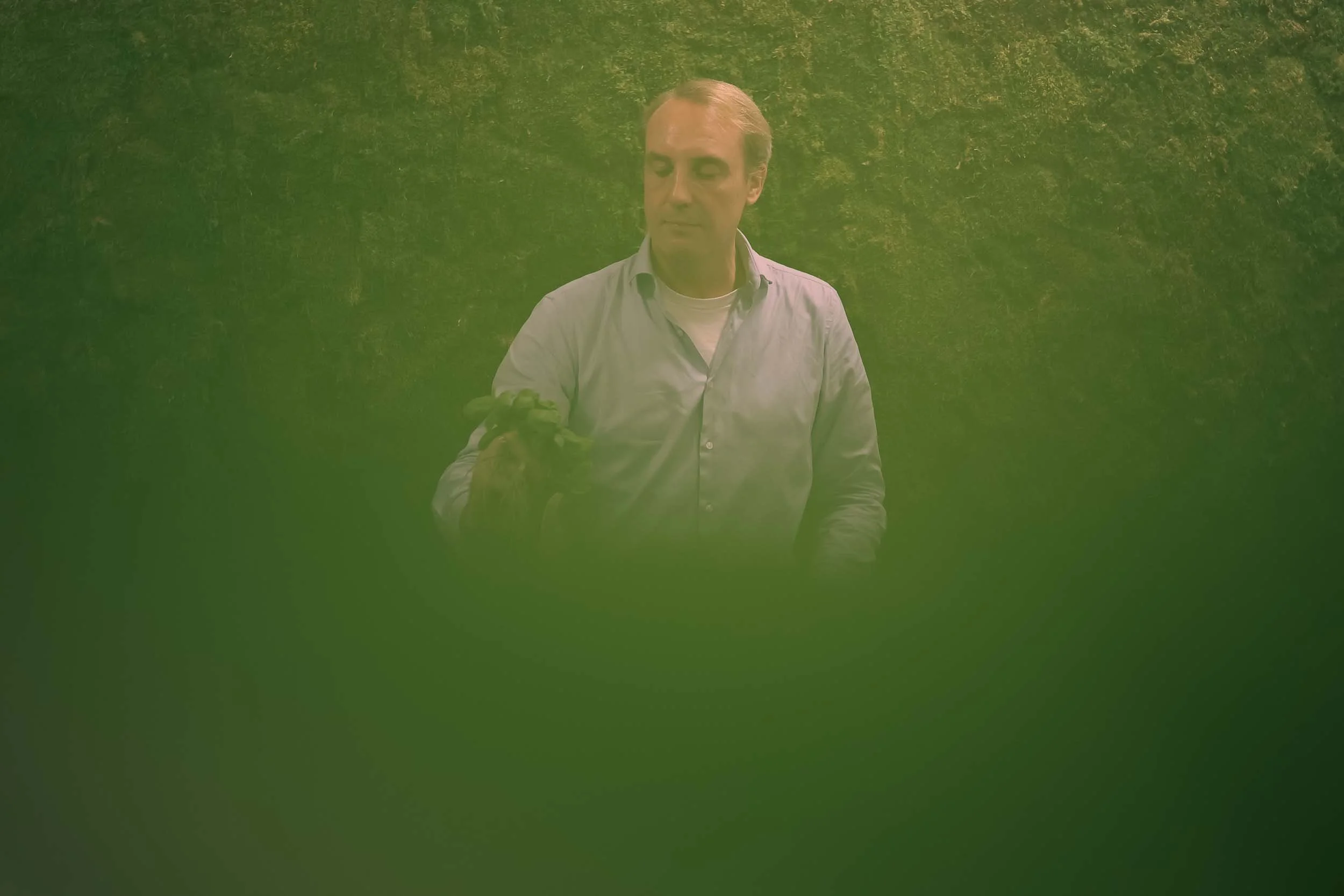
Using 100% renewable wind energy as a power source, robotic processes and fertilizer made from root ends of previous batches, they could grow around the clock in a short, completely optimized growing season of 14 days per batch.. And because they were grown in a completely sealed controlled environment - never touched by bugs or dirt, GMO’s, pesticides or even humans - they were completely natural, clean and do not even require washing before use.
Read also: Christmas salad & Green Power Smoothie - Easy Nordic Harvest Recipes
He had, rather paradoxically, created a quality product cleaner and more sustainable than any conventionally grown product - without the massive amount of water, fertilizers and pesticides outdoor production demands or the strain on the environment it causes. And the production, he found, could be easily scaled.
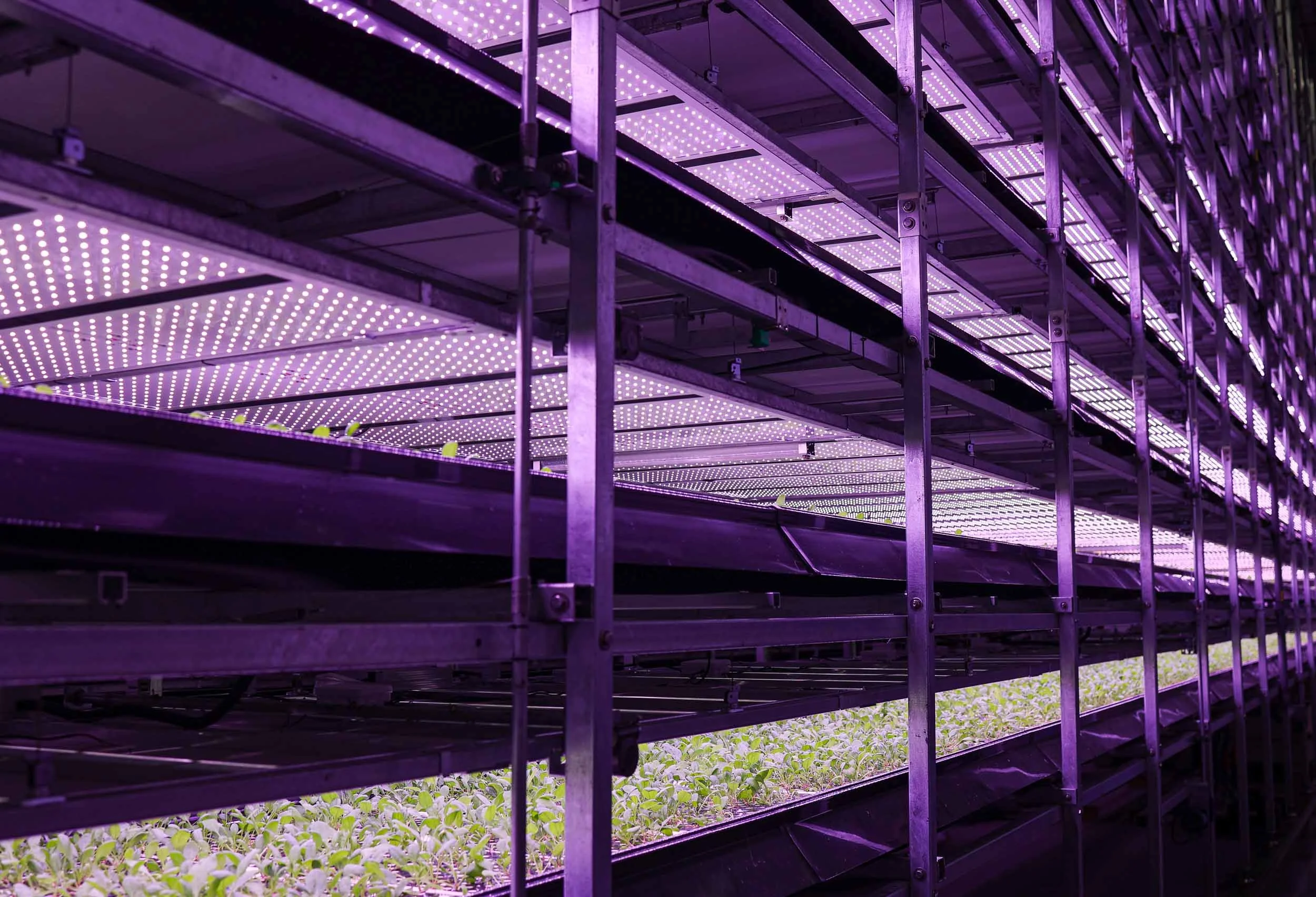
His massive warehouse facility, which until 2019 was completely empty, runs a total length of 110 meters with 10 meter ceilings and it is currently running at 50% capacity, about half full of layers upon layers of automatically farmed greens. 14 layers to be exact.
Double-click to edit...
Within the next 5 or 10 years we will shed the mindset that only herbs and leafy greens are possible and profitable.
Production has, to put it mildly, skyrocketed, and while current production is limited to around 16 varieties of greens, future prospects seem nearly as unbelievable as the original idea itself: “We currently test new varieties monthly,” he explains. “Successful attempts make it to our research station where we develop individual, optimized growing procedures. From there, we release new varieties roughly every three months. That is how long it takes from conceptualisation to market.”
“But we can make more than just greens with time. We are currently growing strawberries, potatoes and other root vegetables on an experimental level,” he adds on the subject of future expansions. It is entirely possible. In a few years, strawberries will be a profitable crop for us. We are looking at another 7-10 years for root vegetables. Fruit bushes like blackberries and blueberries are more than realistic within a decade. As are legumes like peas and beans. Within the next 5 or 10 years we will shed the mindset that only herbs and leafy greens are possible and profitable.”
Not all processes are fully optimized yet, he admits. The germination of spinach, for example, is causing massive headaches and loss of valuable capacity. So, currently demand actually outweighs supply and crops are sold out on a weekly basis. Yet, according to Anders, this is a major step on the road to victory.
“Our goal is to create produce so desirable that consumers will want to eat more plant-based foods. When our facility is fully expanded and we are producing 1000 tons a year, I hope that total Danish consumption of leafy greens will, in the same timespan, have risen from 20,000 tons to 21,000 tons per year.
Double-click to edit...
Reaching for the skies - Nordic Reforestation
“Now, if we could then create more of these ‘plant factories’,” he continues, “we could slowly raise consumption of greens, optimize production and free up massive areas of depleted agricultural land to be reverted into forest.”
And this is the point where his plan takes another turn towards the seemingly fantastic.” In 2022, we plan to launch the Nordic Reforestation movement. With this movement, and the help of like-minded consumers, we plan to purchase massive areas of inefficient agricultural land and revert them back into natural forest,” he reveals.
“We will do this through a privately held trust that purchases the proprietary right to these areas to turn them into forest- for all time to come. Looking at lessons from the past. I think it is an incredibly bad idea to trust the State with such tasks. It is absolutely vital that these forest areas are held by a private trust so they can stand till the end of time”
And he is not talking about any type of forest, it quickly becomes clear. The impossible dreamer has his mind set on a particular tree. One he first saw in his early youth on a trip to its native California, and one that has taken the breath out of anyone who has ever gazed at it; the imposing Giant Redwood.
It would be preposterous to argue that such trees grow this far north, some would argue. Yet, there were Redwood trees all over Northern Europe prior to the last ice age, Anders explains. The cold killed them off. Today, our climate is changing again, and species we consider native are starting to die off due to temperature increases. Redwoods, on the other hand, fit perfectly into our current and future climate, and they are perfect CO2 retainers, too. Because of their massive height, they retain as much as 2500-3000 tons per hectare. “It is a perfect analogy to vertical farming,” he says with an excited grin.
Double-click to edit...
An impossible dream? Or is it?
And here we are back at the start. What if, back then, Anders had told you his fullest potential involved a plan to lower CO2 emissions through planting Giant Redwoods. On land reclaimed through moving plants out of their natural habitats and into factories in cities… Summing it up like that, it seems absurd. And perhaps it is. Yet, sometimes life is all about daring to dream. And putting a decade of thought into your dreams.
“All companies are built on visions. My vision is that conscious private corporations backed by consumers will drive climate change. Politicians can do little. it is the purchasing power of consumers that will eventually change the world,” he speculates.
“If we create an attractive product that people will want to buy on a large scale, we can make a difference. As we grow, we can become a champion of change. My calculations tell me that if we could cover just the Danish production of greens, we could revert 2000 hectares of agricultural land back into forests. Even greater results could be achieved if we could change consumer behavior towards eating other local, quality plant-based foods over meat.”
Conscious private corporations backed by consumers will drive climate change. Politicians can do little. It is the purchasing power of consumers that will eventually change the world.
It seems a fantastic idea, but is it feasible? Where are we in ten years? Incredibly far, Anders hopes. Young people growing up today are already planet conscious, he argues. Many of them already live plant-based and unlike previous generations, they actively want to help save the planet from destruction. Future generations will use their massive purchasing power actively and responsibly when it comes to seeking change, Anders firmly believes, and demand sustainable plant-based food of even greater quality.
And herein, perhaps lies the catalyst of change. “We want to make the conscious, healthy choice more obvious, Anders states. “We offer a high quality product at a price that satisfies the mass market. As long as the consumer uses her inner voice of reason and measures price against quality, her moral instincts are automatically satisfied. And in doing so, she has automatically helped combat climate change by reclaiming agricultural land back into natural forest.”
And with that, the dreamer, for the first time during the conversation, abandons his flow charts and calculations and turns to hope. “It is our hope for the future that the same consumer will want to take the next logical step by supporting Nordic Reforestation in creating an even bigger impact. That our current generation will grasp every possibility to pass a better world on to the one that follows. That our generation will be seen as the one to take action against our actions and the actions of our forefathers. To help make sure that we live in better balance with our planet and pass on a better world for generations to come.”
Is the dream impossible? Hopefully not for those who dare to dream big.
