
Double-click to edit...
jacob rossini
the art of preaching pearls and embracing imperfections
PUBLISHED january 2022 ı PHOTO: Kasper Hellesøe x PR
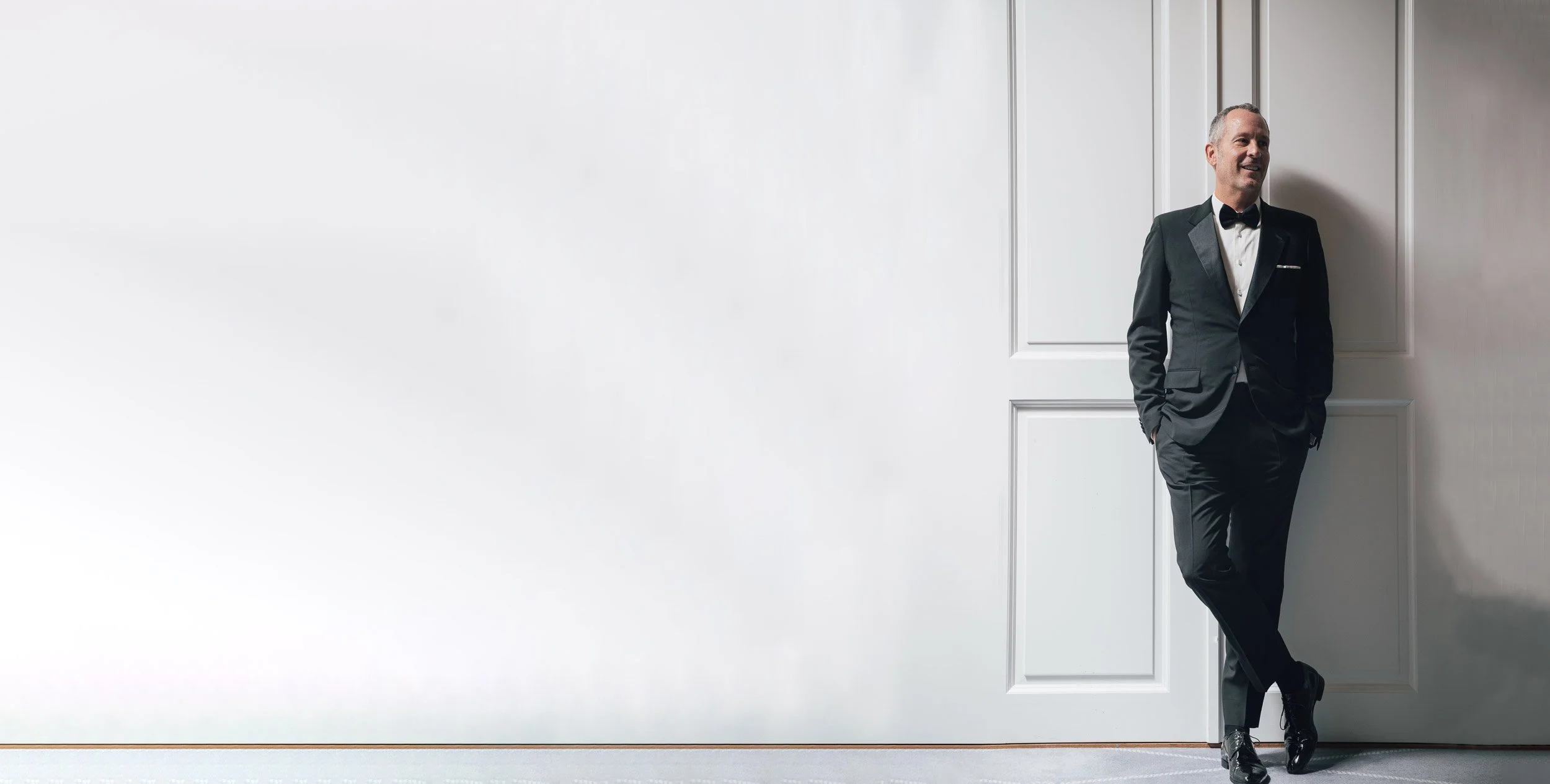
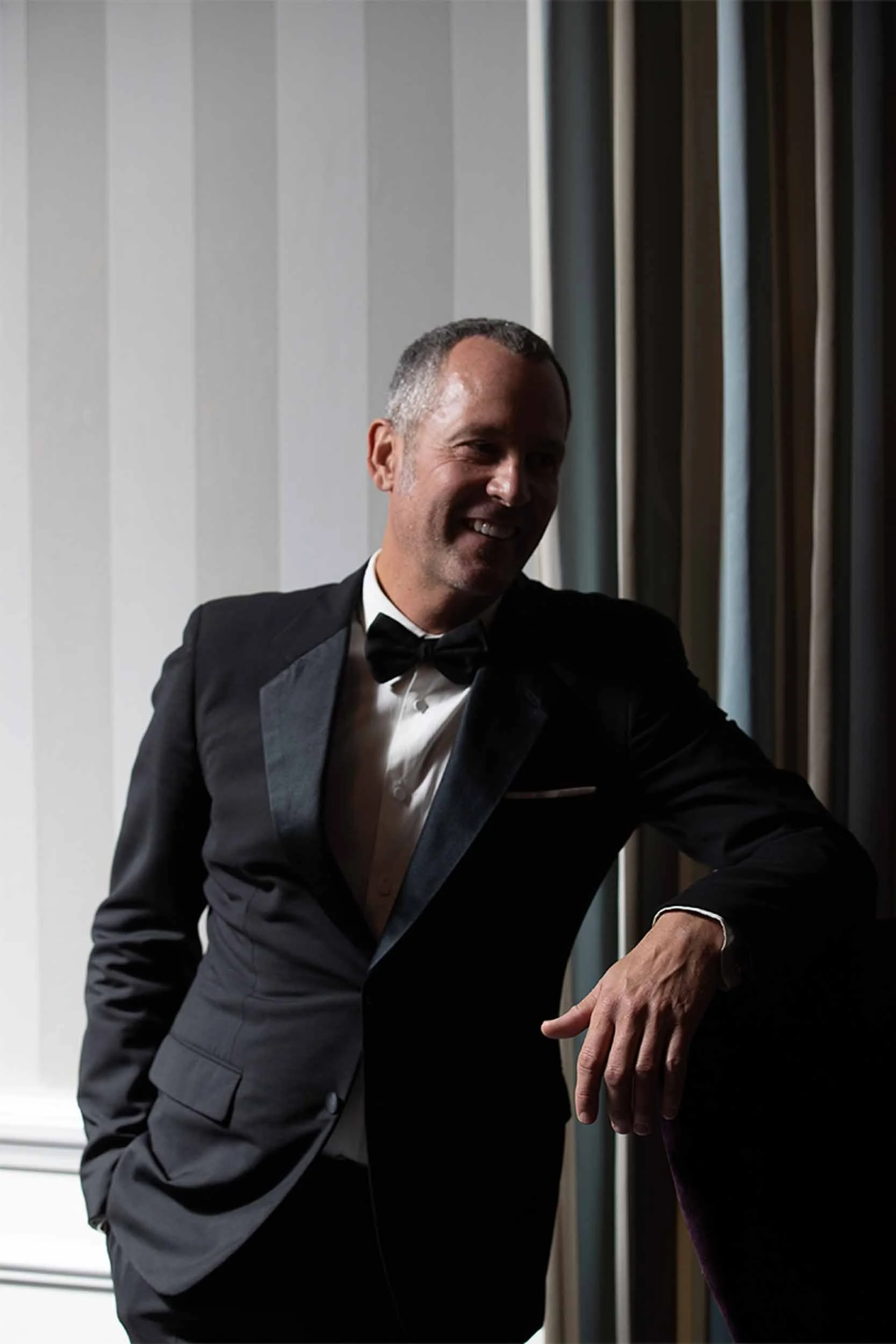
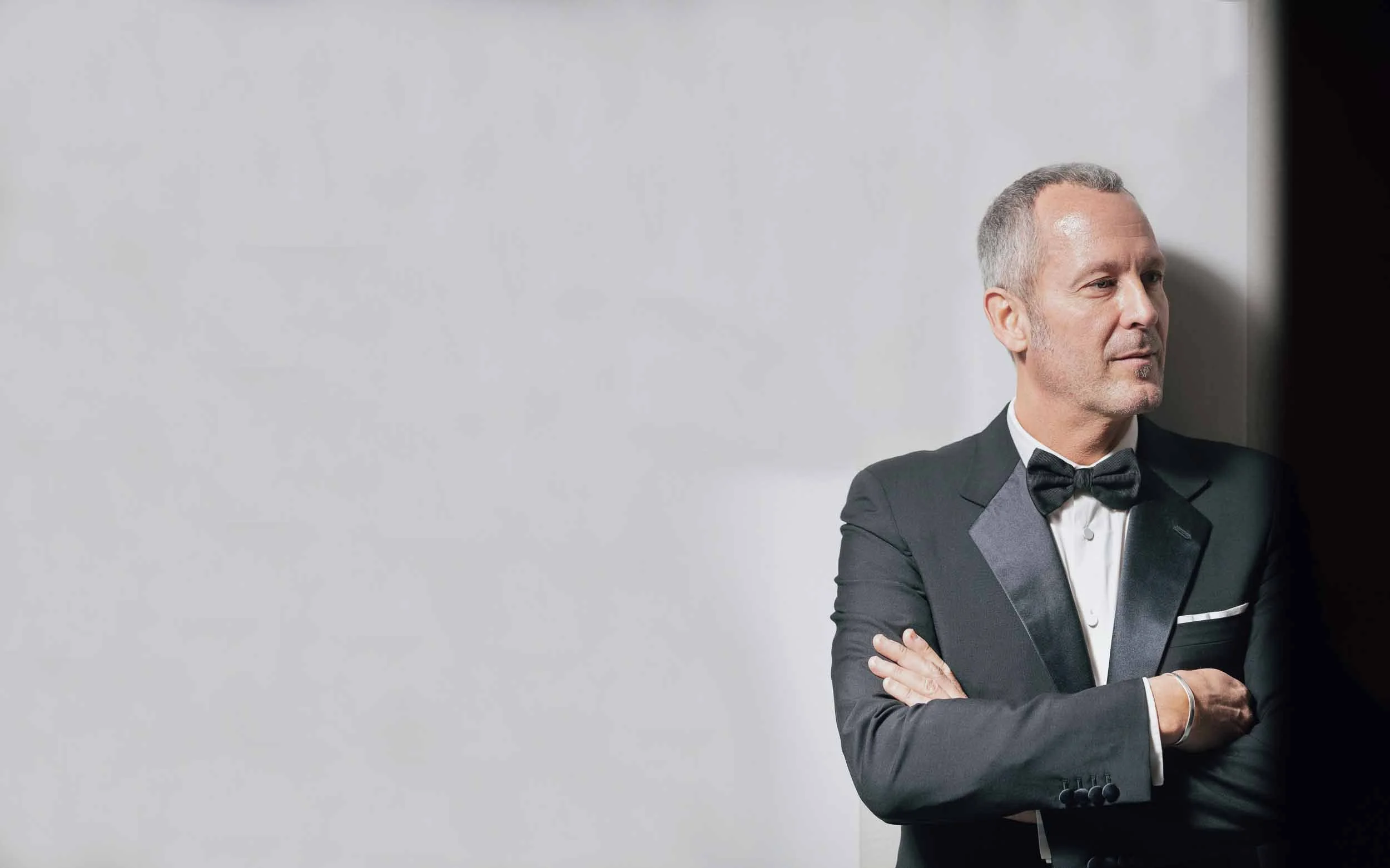
They call him the Caviar King. Jacob Rossini, Denmark’s premiere Caviar importer, lives a life of luxury. He travels the world, stays at the best hotels and eats at the finest restaurants. But there is more to Jacob Rossini than meets the eye. He may be the patriarch of a Caviar empire, but his story is also that of a man who at the age of 50 has learned to cherish the past, accept the future and embrace himself for all of his imperfections.
“I sat there in the morning of my 50th birthday,” he remembers. “I posted an image on Social Media and I just wrote: Embrace your own imperfections - internally as well as externally. We live in a world where it has become extremely important for too many of us to look perfect in everything we do. How we look. Where we eat. What we eat. Those words may sound like a paradox coming from my mouth. I know I scream luxury. And that some people find me arrogant. But…”
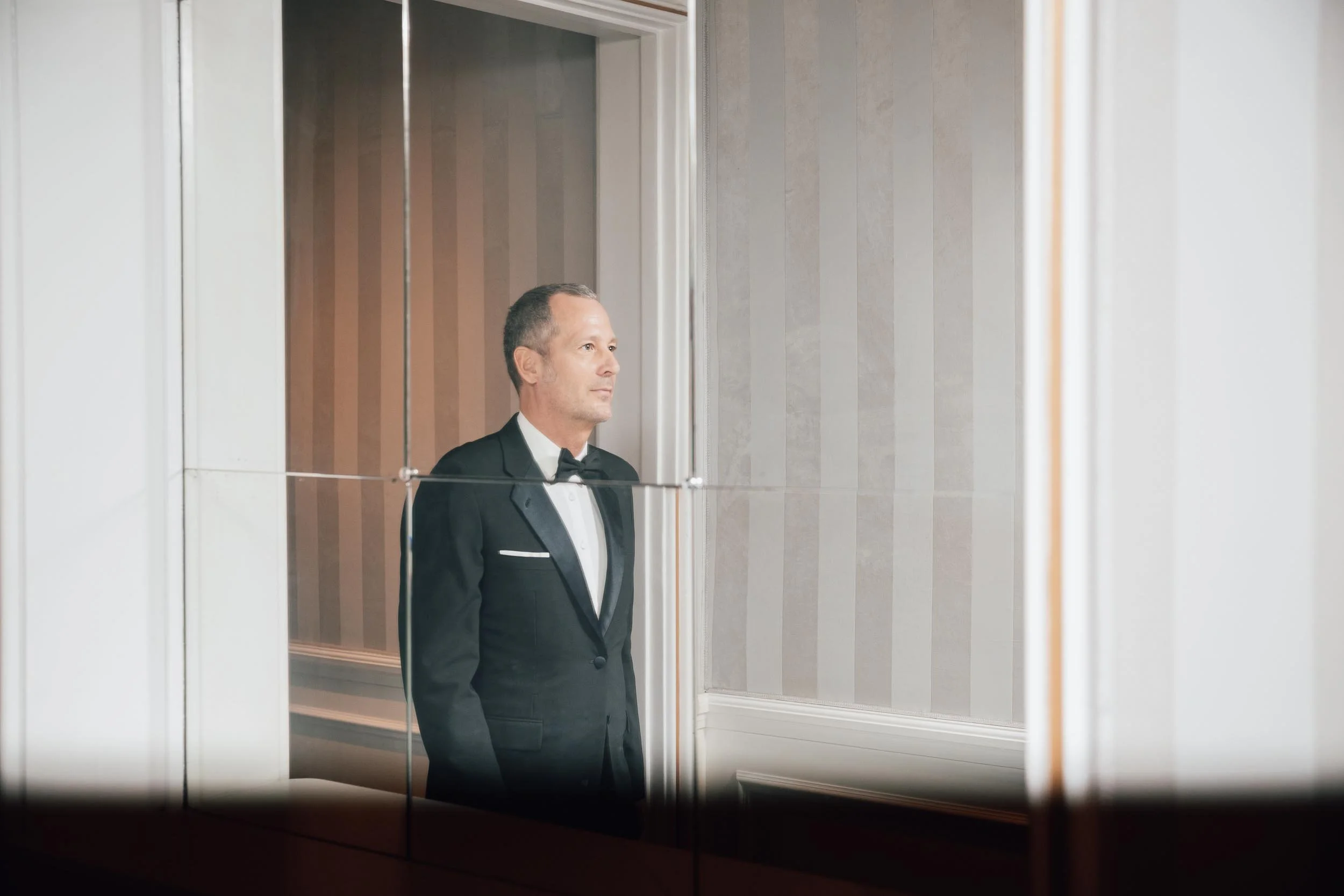
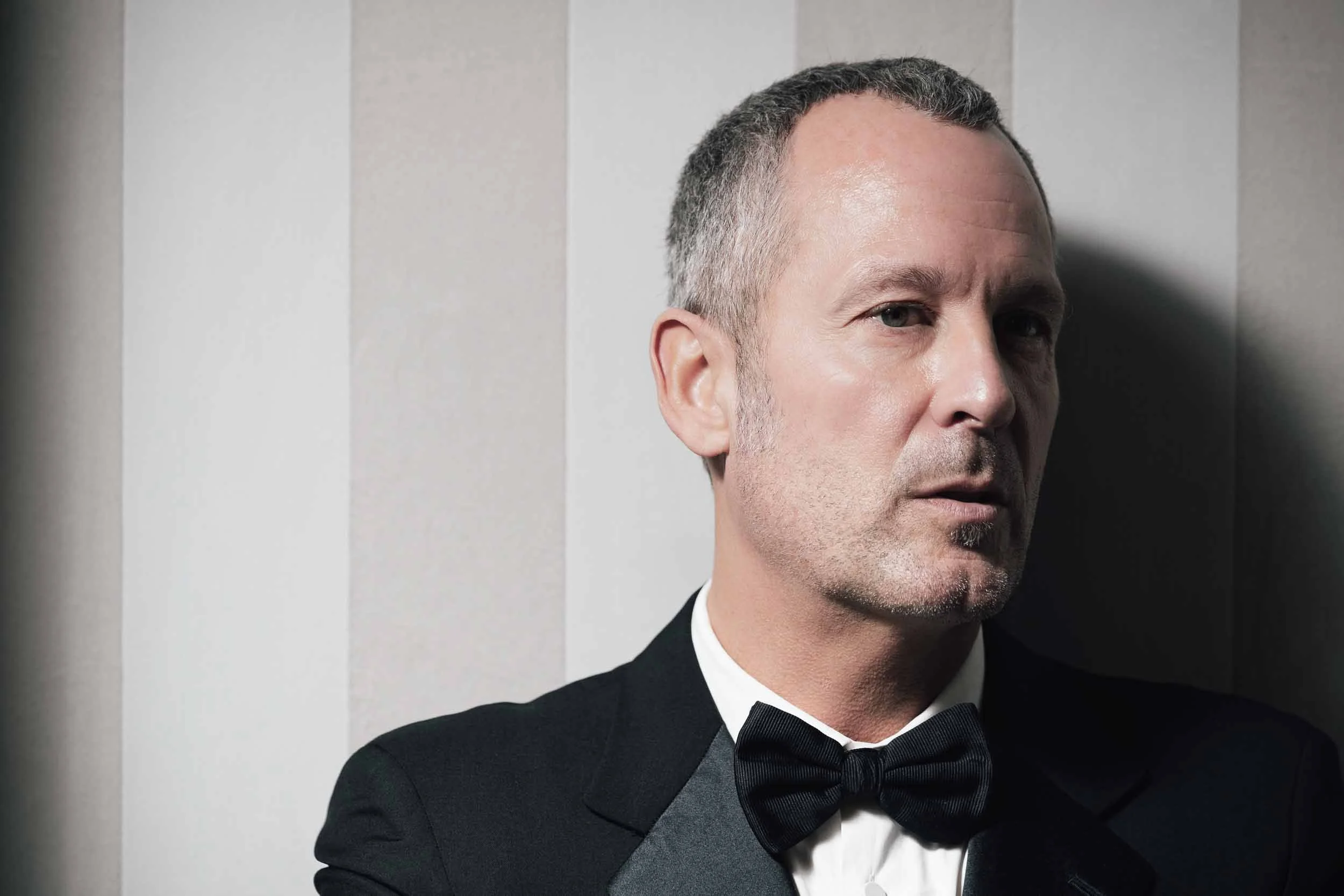
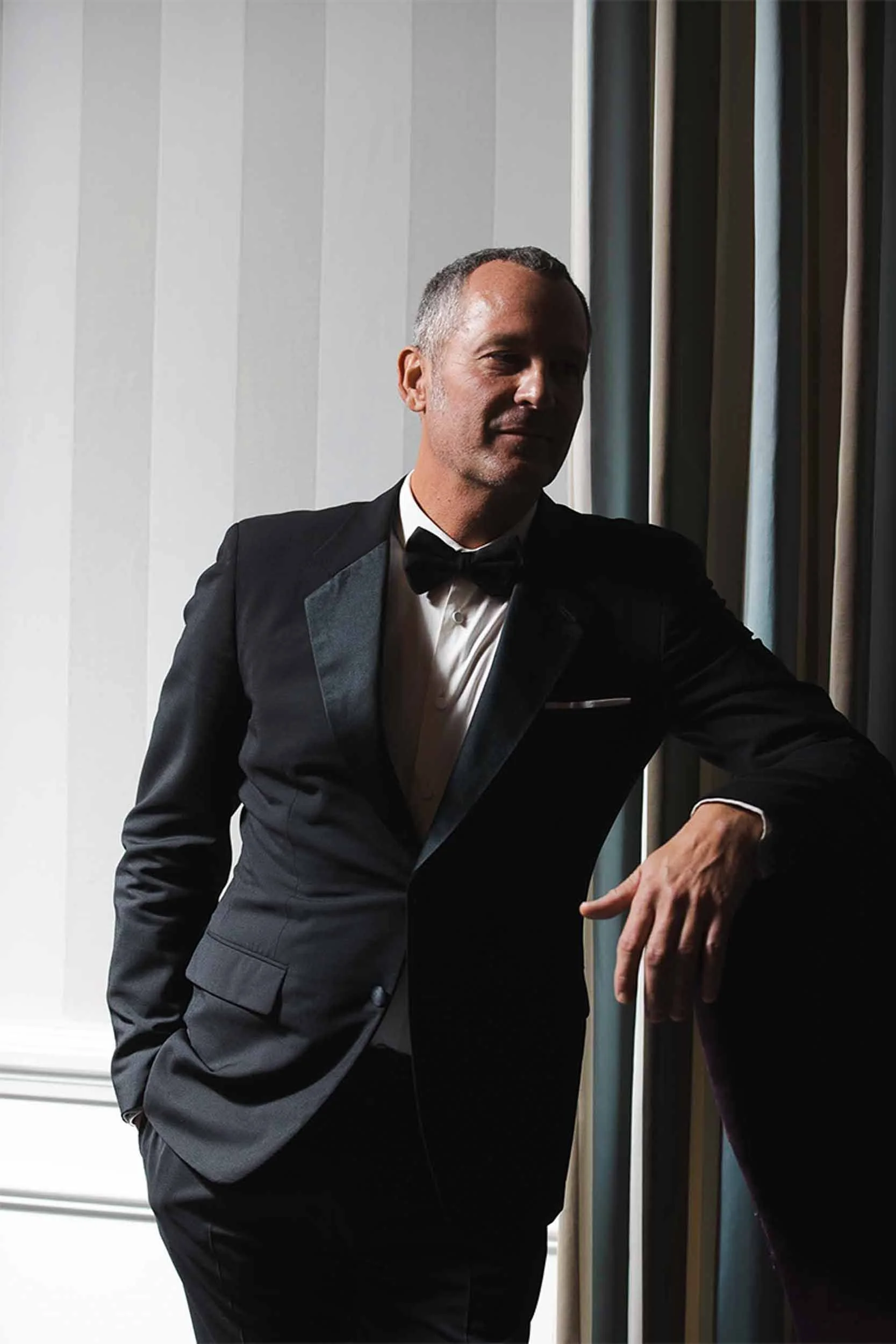
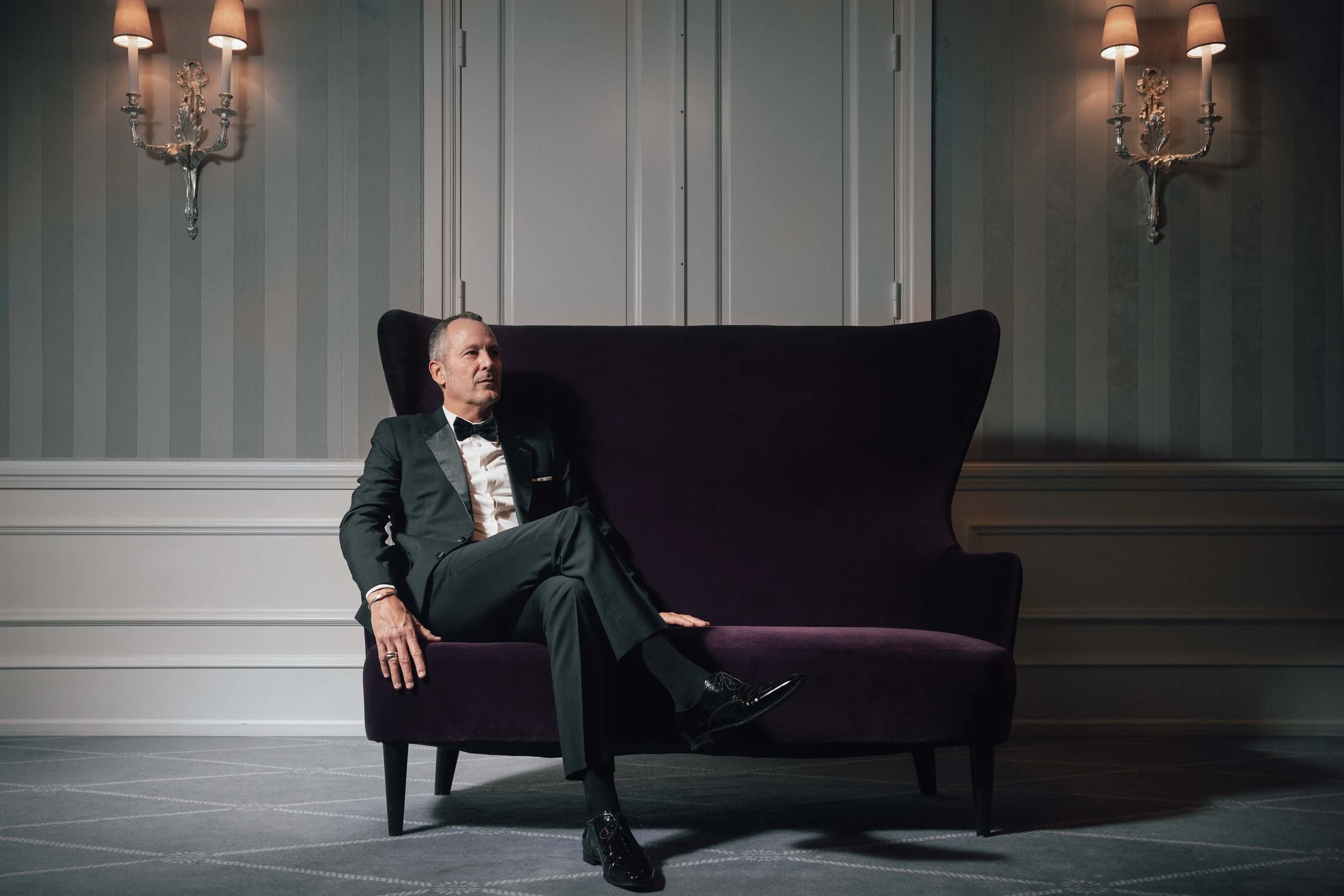
Jacob Rossini pauses for a perfect moment. For the first time in half an hour, he struggles in thought. As he sits there on the sofa in one of Hotel d’Angleterre’s majestic rooms - half way through telling his life story to yeswefood.com - the Caviar King seems as perplexing his tale. Tall, well-groomed and immaculately dressed, he seems almost aristocratic in his demeanor. His voice is soft, mild, his articulation flawless and his dialect distinct upper-class.
It is only late in my adult life that I have learned to let go. Now I am fully aware of who I am and have embraced it. For better and for worse.
Yet, as he speaks, all layers of coating melt away; the glitter and the fame. And you see the Caviar King for what he really is. A sharp, well-traveled, well-spoken man of the world. But also a man who has reached the half-way point of his life - and has come to terms with who he is.
“Look… My point is this… I had a few blood clots back in 2017. May 9th,” he confesses earnestly. “I was pretty much out of it until 2019. It is only within the last year, I feel I have found myself. The older I get, the more I have had to embrace myself and my imperfections. There are things in life, we perhaps just have to learn to live with. We do not look perfect. We screw up at times. We should not run around being so damned obsessed with what other people think about us. “It is only late in my adult life that I have learned to let go. Now I am fully aware of who I am and have embraced it. For better and for worse.”
With a distinct sense of calm, he pauses for a while somewhere on the threshold between present and future. Then his eyes flash again towards the past as he continues to answer the question: Who is Jacob Rossini?.
Double-click to edit...
Who is Jacob Rossini, the Caviar King?
Surely there are many reasons for getting into the business of hedonistic luxuries, and surely none are as surprising as those of world renowned Caviar pusher, Jacob Rossni. “Early in life, I was traveling in the Caribbean and was struck with decompression sickness during a dive,” he explains. “It was not something I was ensured against, and apparently renting a decompression chamber cost over $300 an hour. So I returned home with quite a considerable debt, I knew I had to get sorted, quickly.”
As the subject turns to the past, there is a different sort of intensity to his words. As it unfolds, his tale reads like that of a man of the world, coming of age; fast paced, full of humor, surprise and more or less lucky coincidences.
“I got a job at Cafe Victor,” he continues his speed-chase through his personal story. “I worked the bar but I also sometimes lend a helping hand in the kitchen. Here, for the first time, I saw trout roe. “What are these sexy little things,” I thought. “These I want to know more about.”
What he learned shocked him. As it turns out, Denmark is the world’s premiere trout roe producer, yet the product is relatively unknown to Danes - all quality roe is shipped to Japan.
Double-click to edit...
The subtle art of being defiant
“I started driving around, trying to purchase some of these sexy pearls,” he recalls. “Eventually, some guy in the remote fishing hamlet of Årøsund took pity on me - you can purchase from me, he said, but you have to take the motherload. So I took it all – all five tons of it. I then started knocking down doors of major sushi chains, seafood retailers and other potential customers.”
Whatever Jacob eventually had left, he ended up selling to a man in France. A man who remains, to this day, his partner in Rossini caviar. “I will purchase your entire load,” the man said, “at your cost + 2 %” - “Fine,” Jacob shot back, ''but I want to purchase your Caviar and expertise in return!” Was it an act of talent? Or luck?
What are these sexy little things? These I want to know more about!
“To be honest, I was probably just being defiant. I approached him with a problem - I had two tons of roe - and he would not pay well. He had to teach me about Caviar in return, I reasoned,” Jacob concludes on his entry into the Caviar business.
Whatever it was, it worked. And so, over the next two years, the man from France - a veteran of the business and one of the best Caviar packers in the world - taught young Jacob all he knew about an industry that Jacob would eventually dominate. An industry that is both incredibly simple and very complex. And an industry he could probably talk about for days, but does his best to sum up in ten minutes or less.
Jacob spills the secrets - how to make good Caviar?
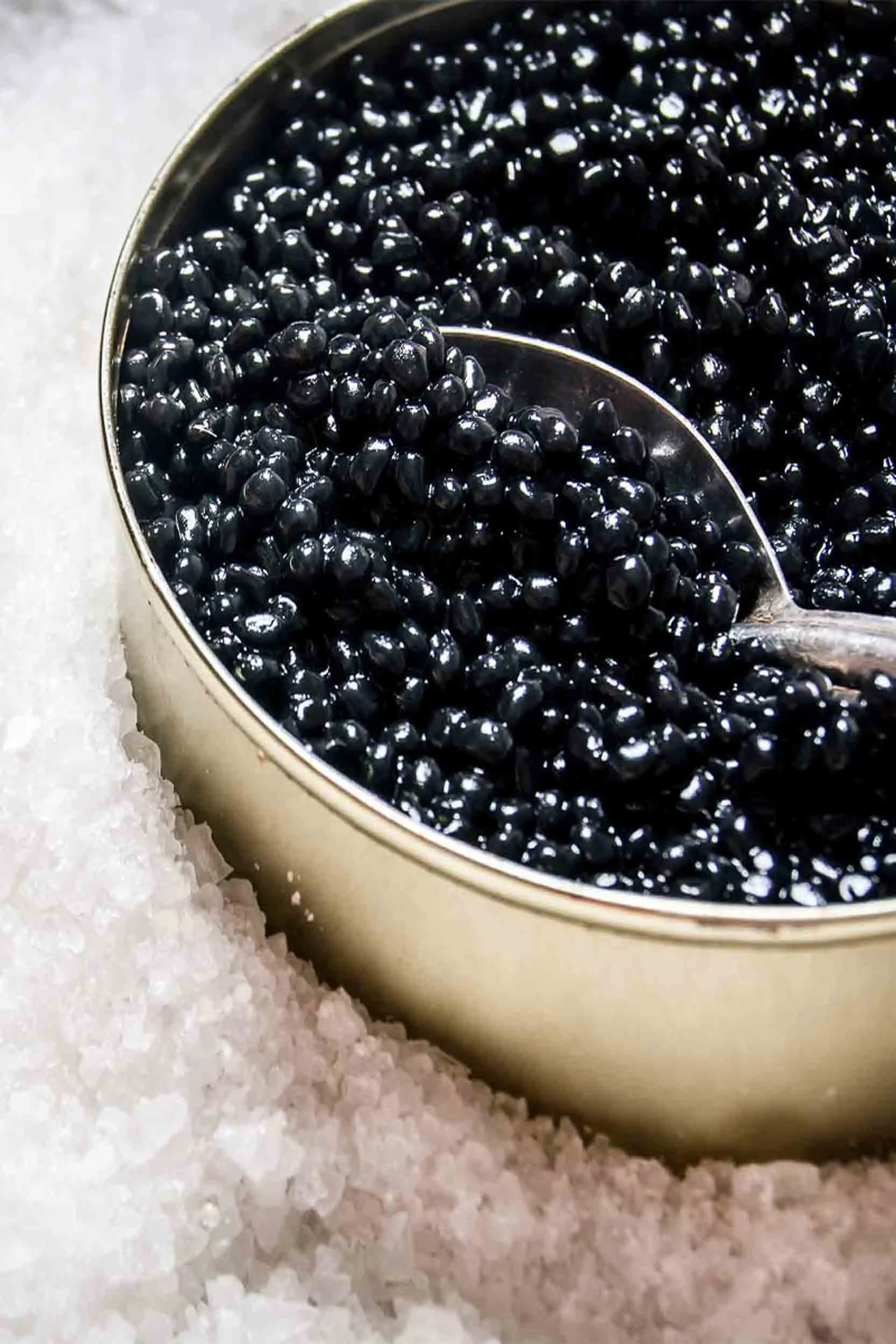
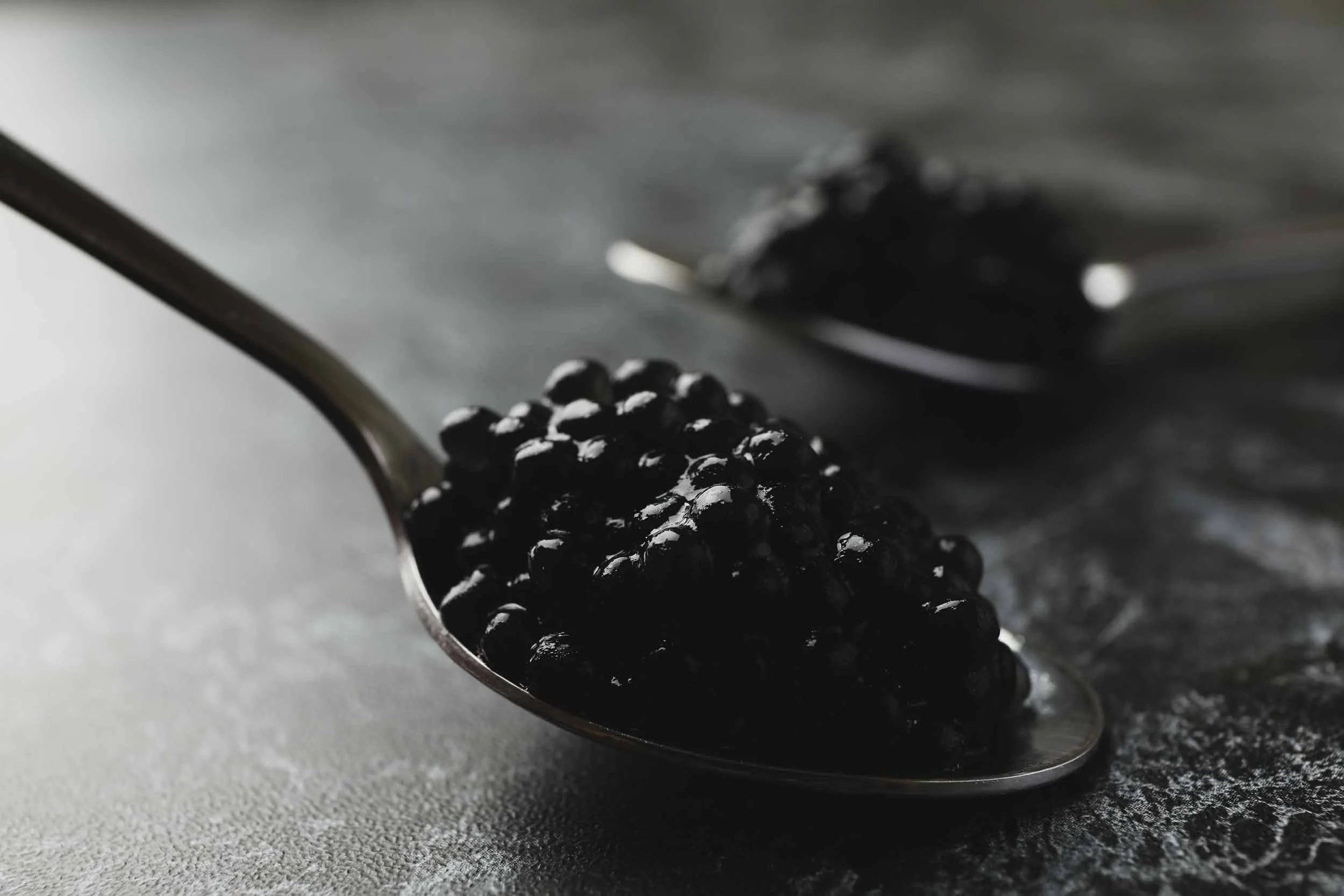
Caviar, in all its simple glory, is roe from various species of sturgeon, salted and matured. But there is, of course, much more to it than that. To make good Caviar, Jacob explains, you need time, patience and healthy financial backing. It is no cheap or easy task. A sturgeon reaches sexual maturety at the age of 7. And for all those seven years, you need to feed it and care for it.
The secret to good Caviar, boils down to three things, Jacob reveals: feed, temperature and quality of water. Caviar is as diverse as the grapes of the wine world, he continues. “The taste of Caviar depends on the species of sturgeon and what you feed it. Different species of sturgeon produce different kinds of Caviar from buttery Baerii to nutty Oscietra. Different species of sturgeon need different kinds of feed,” he smiles. “Feed is the terroir of the Caviar world!”
Feed is the terroir of the Caviar world!
The temperature of the water is another secret, he continues. The closer you can keep the water temperature between 12 - 18C year round, the better the yield. Last but not least, is water quality. Rossini Caviar prefers outdoor nature-like stream basins in their approach to Caviar farming. It mimics a natural habitat and naturally circulates the water around the sturgeon, creating more mineral rich water conditions and driving away algae. “It is a nerdy approach to Caviar farming,” he confesses, “but also the best way to make good Caviar.”
Double-click to edit...
What makes a good Caviar?
Good Caviar, to Jacob Rossini, is a matter of personal preference. And personal preference is achieved in the last part of the production process. Once the roe is finally harvested, it is packed with salt and left to mature. It takes time for the salt to penetrate the membranes of the eggs, technically turning it into Caviar and starting the development of flavors.
“Caviar is matured at between 0 and 2 degrees centigrade for upwards of a year,” Jacob explains, “it is considered fully mature after 12 weeks. Some like it on the younger side, others on the more mature side. Some prefer a lot of salt, some prefer a little salt. Some like sea salt, others rock salt.”
We see ourselves as a form of gallery owners in the Caviar business. As curators to the artists. The artists being the sturgeon farmers and Caviar makers.
“We have come a long way from simply buying a product and putting my name on it to being deeply involved in the entire process,” he states proudly. “We see ourselves as a form of gallery owners in the Caviar business. As curators to the artists. The artists being the sturgeon farmers and Caviar makers.”
“We provide input and recommendations to the artists we partner with and work with to create products better suited for our clients,” he gesticulates. “The Caviar we make specifically for Michelin-starred chef Wassim Halal, for example, has a very specific salinity level and we know exactly how mature Jonathan Berntsen of The Samuel prefers his caviar.”
Double-click to edit...
How to properly enjoy Caviar?
If the quality and taste of Caviar is so distinct. How, then, do we best taste it? Is it, as they say, best eaten au naturel off the back of your hand? According to the man in the know, the answer is no.
“The hand test,” he grins, “is more of a quality test. If an incredibly persistent fishmonger at the market in St. Petersburg tries to peddle 10 kilos of Caviar for two Rubles, you would probably want to perform the hand test. And if it smells fishy in any way, you would run away.”
“Caviar is best enjoyed in simple dishes, the simpler the better. Caviar and potato, for example, is a fantastic combination. I feel a lot of chefs have understood the simplicity of the product. In reality, it is nothing more than fish eggs and salt. It is in the understanding of which salt to use for which eggs and for how long to mature them that the magic happens”
If an incredibly persistent fishmonger at the market in St. Petersburg tries to peddle 10 kilos of Caviar for two Rubles, you would probably want to perform the hand test.
“As for how to wash it down? Simple! Champagne. I particularly enjoy drinking Champagne, especially with Caviar. Vodka is also nice when the mood strikes. But such nights seem to end incredibly early,” he grins. “Oh and my latest obsession. Sake! Many sweeter sakes are incredible with Caviar. Try tasting Caviar on the back of your hand, with a sweet sake chaser.”
It seems perhaps an underwhelming answer of sorts. He has traveled the world and tried much of what it has to offer, yet he eats his Caviar simply. With a glass of Champagne or a shot of vodka. And in here lies yet another side to the Caviar King that few may have noticed: his humility. A humility that really comes to light as he conversation centers around his greatest caviar moments.
Double-click to edit...
Jacob Rossini’s greatest Caviar moments
“Wow, that question takes me back to 1999,” he says dreamily. “I visited a farm in France and got to catch my first sturgeon. There was something magical about catching one of those sons of bitches yourself, picking it up on your hands, gutting it open, harvesting the roe, cleaning it, salting it and caning it.”
As he talks, his eyes light up from a spark that ignites in him. “Even after all these years. I still tap into that emotional register. I am incredibly thankful for how privileged I am in life. Had I been selling chickens, it probably would not have been the same. It is such a rush to be able to travel the world and hold Caviar Masterclasses,” he muses thankfully.
I am incredibly thankful for how privileged I am in life. Had I been selling chickens, it probably would not have been the same.
“It is passion that keeps me going to this day. I could never let it go. It has been an incredible journey, digging my fingers into the very arteries of the business. And it is, of course, no secret that it is great to work with some of the best chefs in the world and offer my humble take,” he confesses. “I have eaten at a crazy amount of top restaurants around the world, but I am very humble about it.”
“If I dare say so myself, I am pretty good at what I do, but I try not to be too much of a smartass. I am thankful for the experiences my life has offered me. I am an existentialist, I believe you are what you do, not what you say,” he wraps up the story of his life to date. But what of the future? What does the future hold for Caviar? And for Jacob Rossini?
“The Caviar we eat today was not feasible 5-10 years ago,” he states. It has become cheaper and better. Now that the broader middle class has joined the party, I think quality and selection is only going to get broader and better in the years to come. This is great news. It allows me to focus my business on the things I am good at. And pay less attention to those I am not very good at.”
“Just as it is with life. It is all about focus. This is who I am. Am I perfect? The hell I am not! But I have done OK in life,” he ends his reflection on life with a soft smile.
