
Double-click to edit...
Jonathan berntsen
achiveving a michelin star at the speed of light
PUBLISHED
november 2021 ı PHOTO: Kasper Hellesøe x Yeswefood
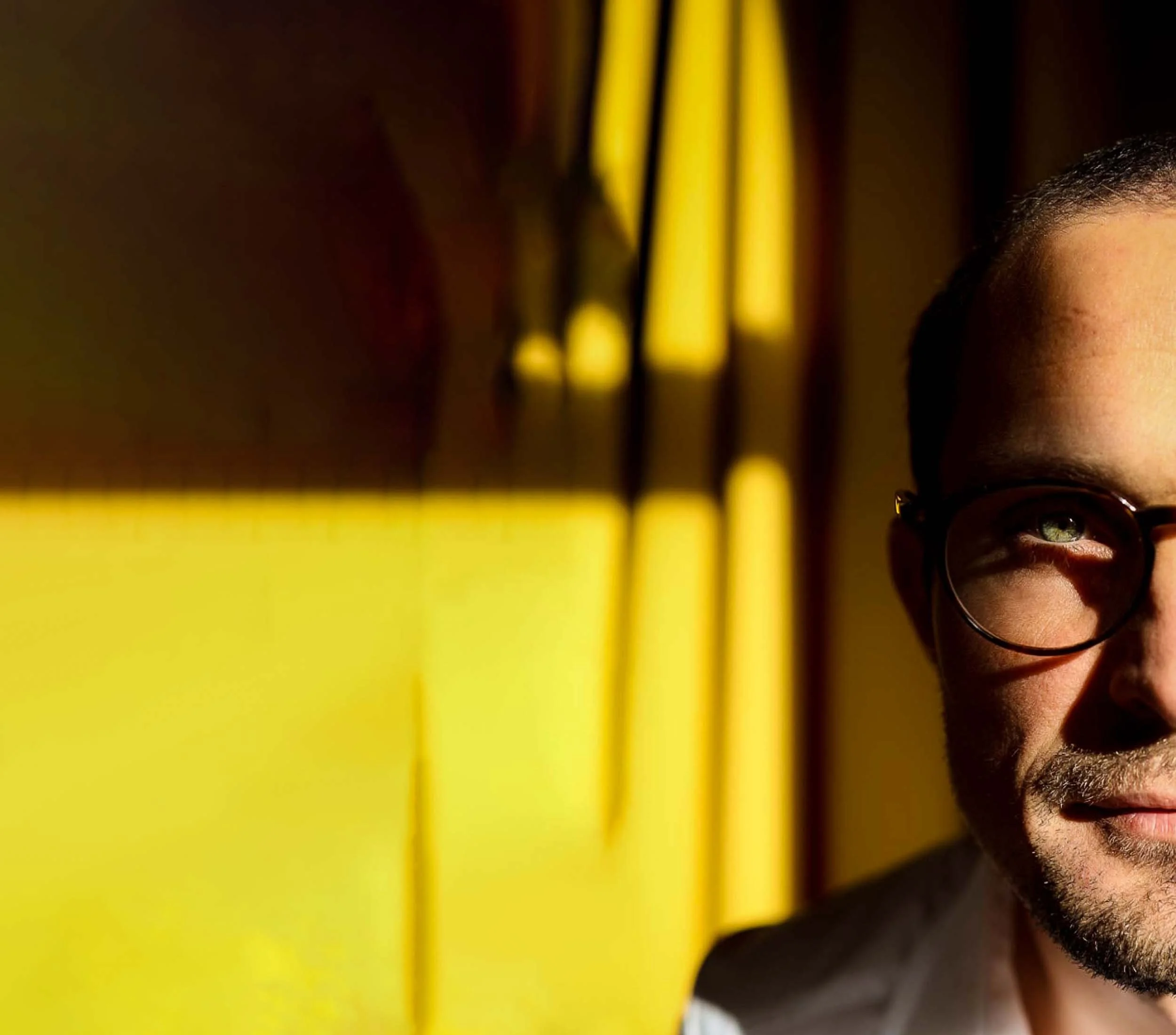
“If you are doing your absolute best, you are absolutely entitled to dedicate your effort to your children. But you are sure as hell obliged to do well if you dedicate your labor to whom you love most in this world!” - So begins the tale of Jonathan Berntsen who opened a restaurant in his own image earlier this year, dedicated it to his children and won a Michelin star in record time.
In mid 2021, a shining star of Danish fine dining, Jonathan Berntsen, opened his new restaurant, The Samuel, in Hellerup. Situated in a 1891 lavish, apotheker villa, his restaurant is built entirely in his image. It encompasses everything he loves about fine dining and it serves all his favorite ingredients and old wines in no amount of moderation. It is, in short, everything he loves in life. It even bears the name of his son, Samuel. And it has won a Michelin Star faster than any other Danish restaurant in history. Yeswefood.com sat down with the busy restaurateur for a quick chat during a staff meal before service to find out how it feels to achieve a star in such record time.
Culinary heritage and DNA - Achieving a star in 4 months
Jonathan Berntsen is by no means an unfamiliar face in the world of Danish gastronomy. He actually held a Michelin star for years with his previous venture, CLOU. But even so, the star chef himself seems slightly surprised by the rapid success of his new venture.
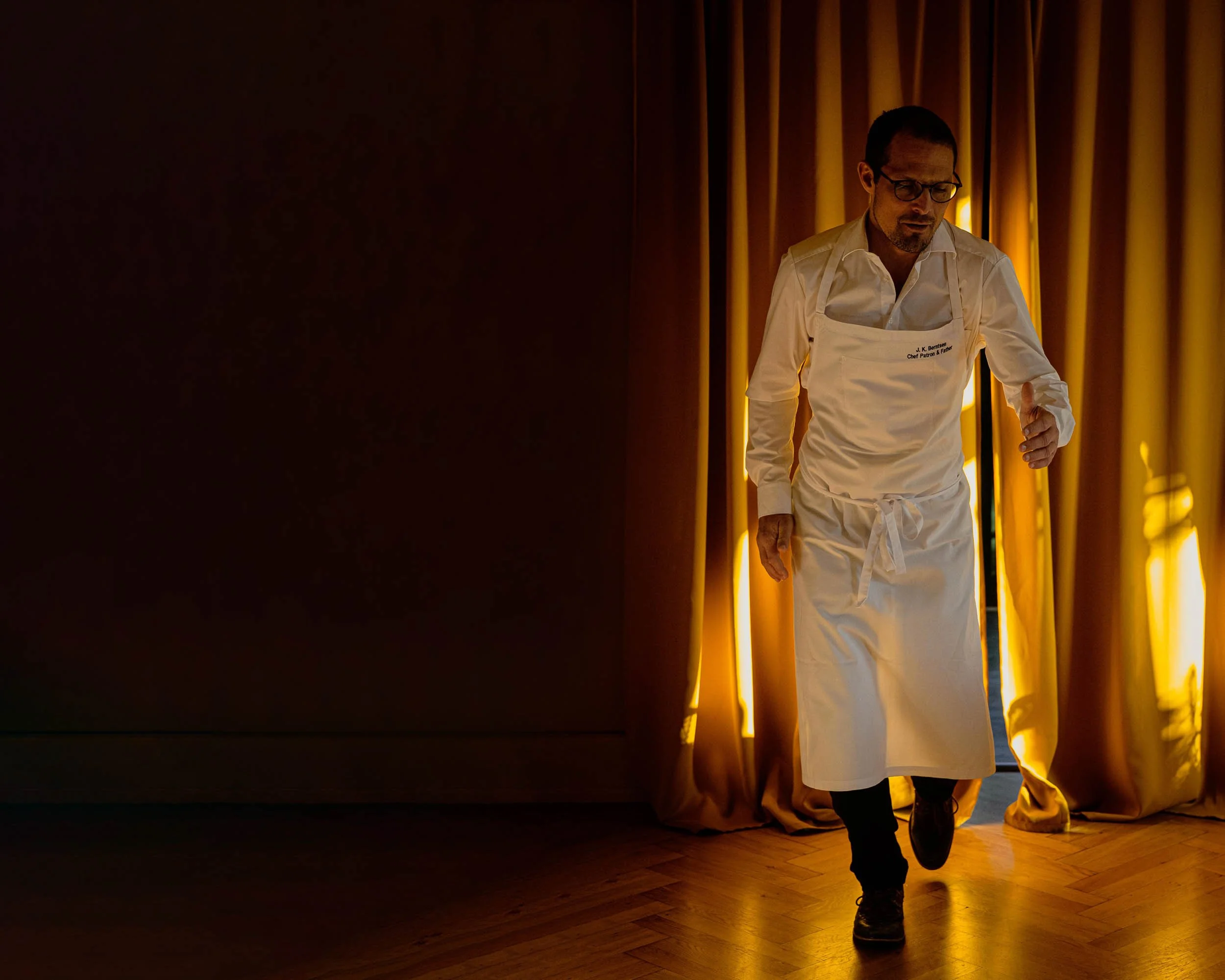
“How is it possible to achieve a star in such a short time span? Even I can only guess,” the seasoned culinary veteran ponders. “Of course there is some level of seniority involved, having worked in the business for decades and held a star for so long with CLOU,” he admits. “I have been around for a while. As have my team members.The restaurant may be only four months old on paper, but not in DNA. We are a tightly knit crew, and we work well together,” he says. Stressing in the process that The Samuel is by no means a continuation or new version of his past restaurant venture CLOU. Far from it.
Double-click to edit...
Killing your darlings - Why CLOU had to die
It would have been easier to just move the restaurant and bring the star along, Berntsen realizes.” But this place, this space,” he says, lighting up with emotion. “It is something very different from CLOU. It is so much more than CLOU,” he adds honestly. “CLOU had stagnated within its culinary form.”
After running a restaurant successfully for so many years, you start to deal with certain expectations, he elaborates. And, according to Berntsen , there are limits to how drastically you can change an existing concept. “I wanted to create something better, something even more beautiful. There is a certain culinary DNA overlap, of course, but this place is so much more than CLOU,” he continues.
Read also: The Samuel - Compromise is an unknown term at Hellerup’s new Gourme Temple
“Actually, the original plan was to re-open CLOU,” he reveals, “then I randomly stumbled upon this perfect space which was something else than Clou entirely. I suppose you could say we were at a point where we had achieved everything we could with CLOU. It seemed the perfect time and place to let CLOU die and grow onwards into this.”
It seemed the perfect time and place to let Clou die and grow onwards into this.
Double-click to edit...
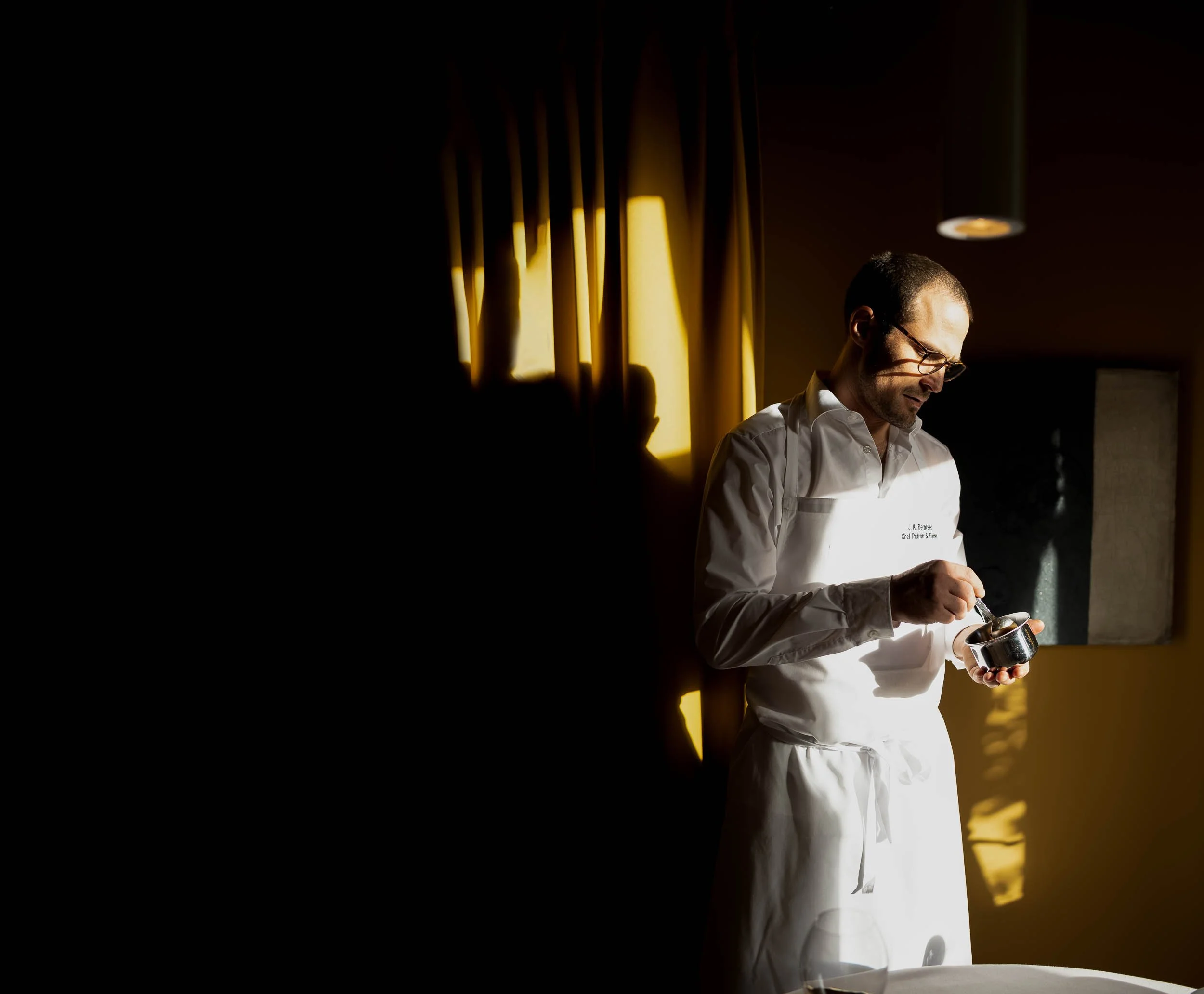
And grown they have in the old Hellerup villa that form the beautiful surroundings to Berntsens culinary magic. Even if The Samuel, to Berntsen, is a place that should not even exist: “To think you could find a hundred year old restaurant setting with the original parquet floor still intact,” he ponders out loud. “Original columns, stucco ceilings. All intact. This place should have been renovated and rebuilt a hundred times, but still it stands intact. And we have chosen to preserve as much of it as we could while still giving it our own touch. You could call it a gentle art deco makeover with respect for the original setting. You still need to be able to feel the history and the identity of where you are.”
Finding balance - Why working conditions matter
The subject of Identity is obviously very important to Jonathan Berntsen. And a very large part of his new identity, indeed perhaps his Michelin Star, is his staff that has also come to call the beautiful old villa their second home. The smiling bunch that greet guests at eye level and deliver an immaculate service to match the quality of the food and the setting.
And according to Berntsen, they have every reason to smile. “When we spend so much time together, it is important we have fun. You have been here for a while now and have seen and heard the team, laugh, sing and dance their way through the day. This is who we are and what we do. Obviously, we are dead serious and focused as well. But if we cannot have fun and share our trademark Danish hygge with our guests - then, really, what is the point of it all,” he shrugs. “If we cannot have fun, it would be ridiculous for us to pour so many hours into this adventure.”
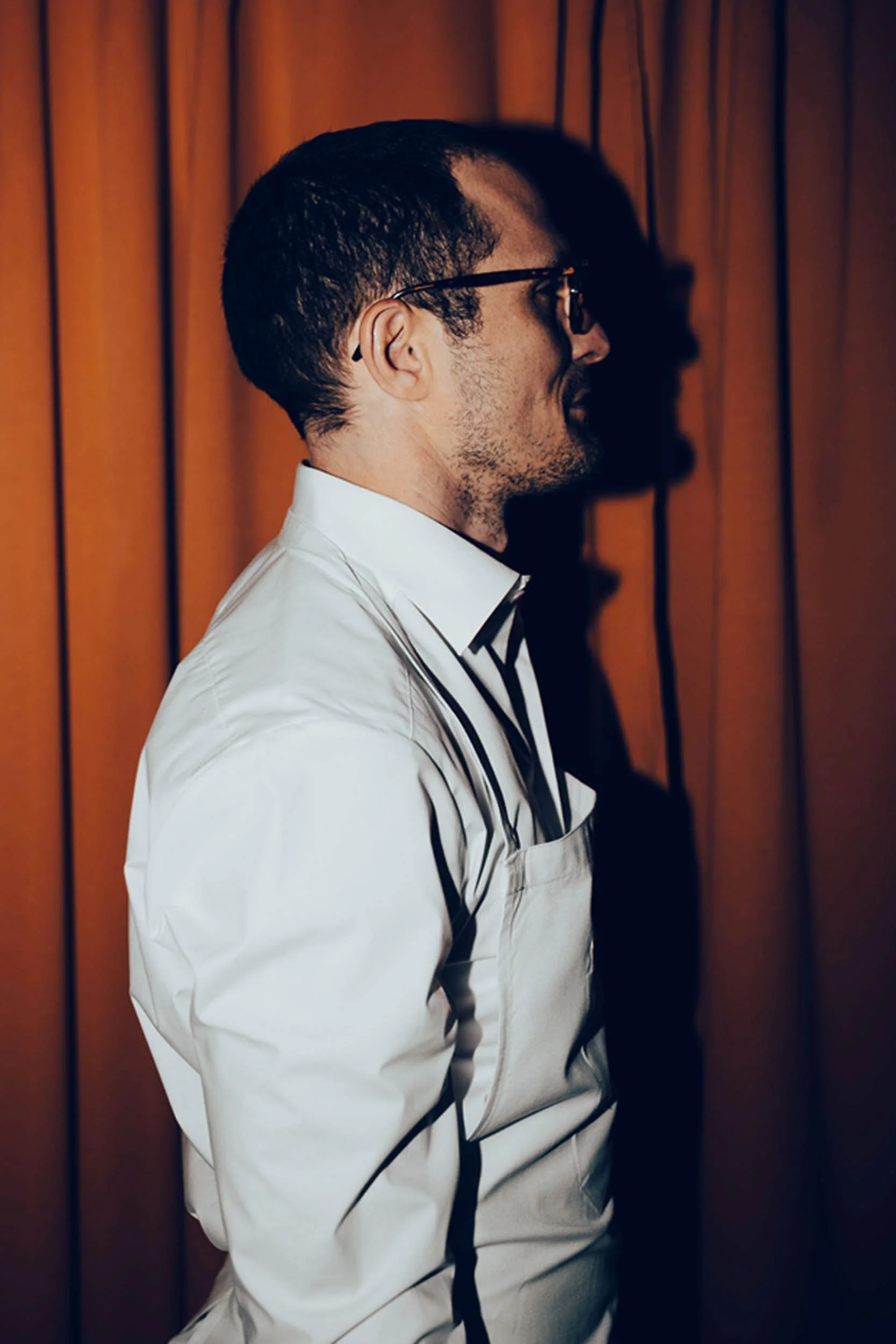
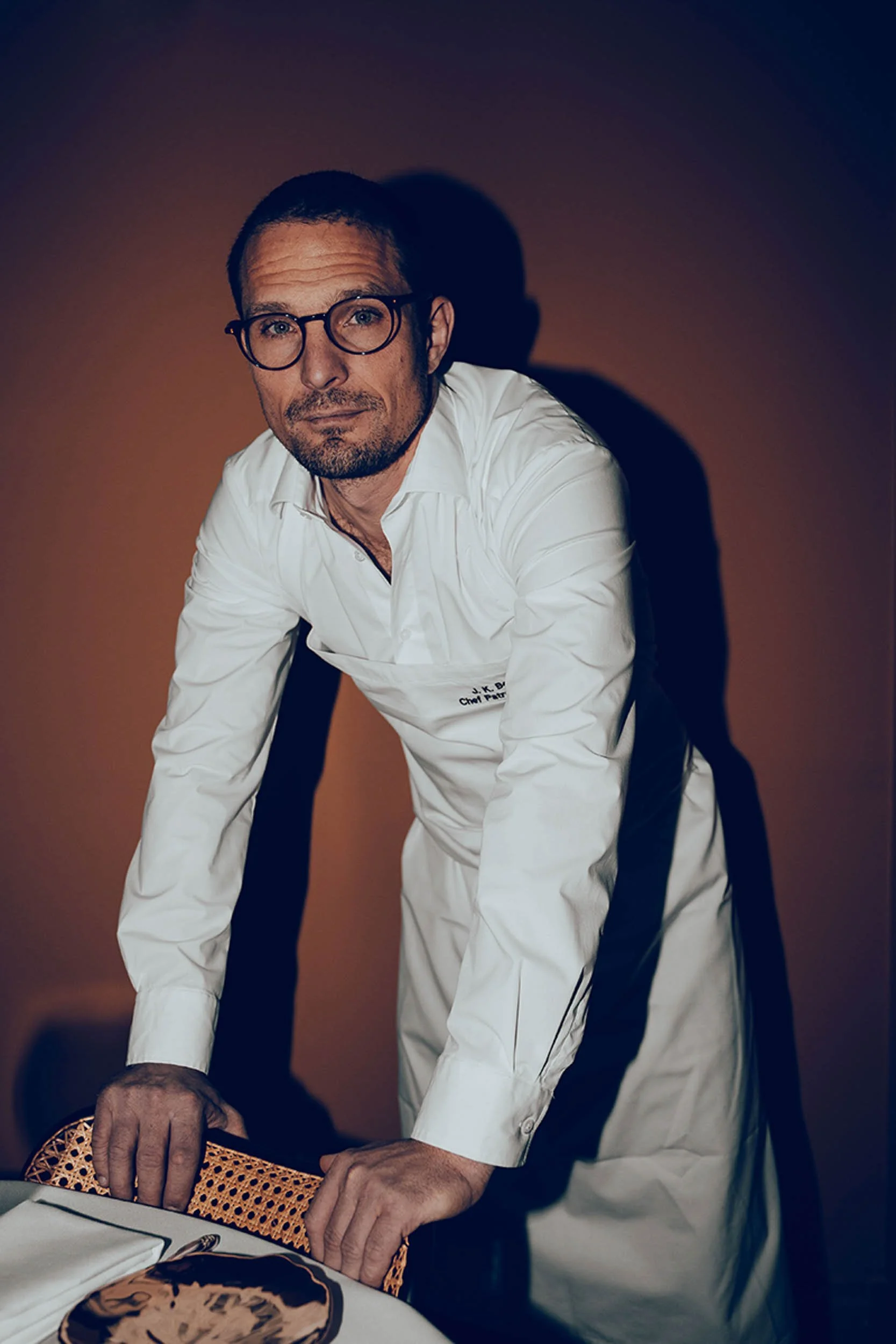
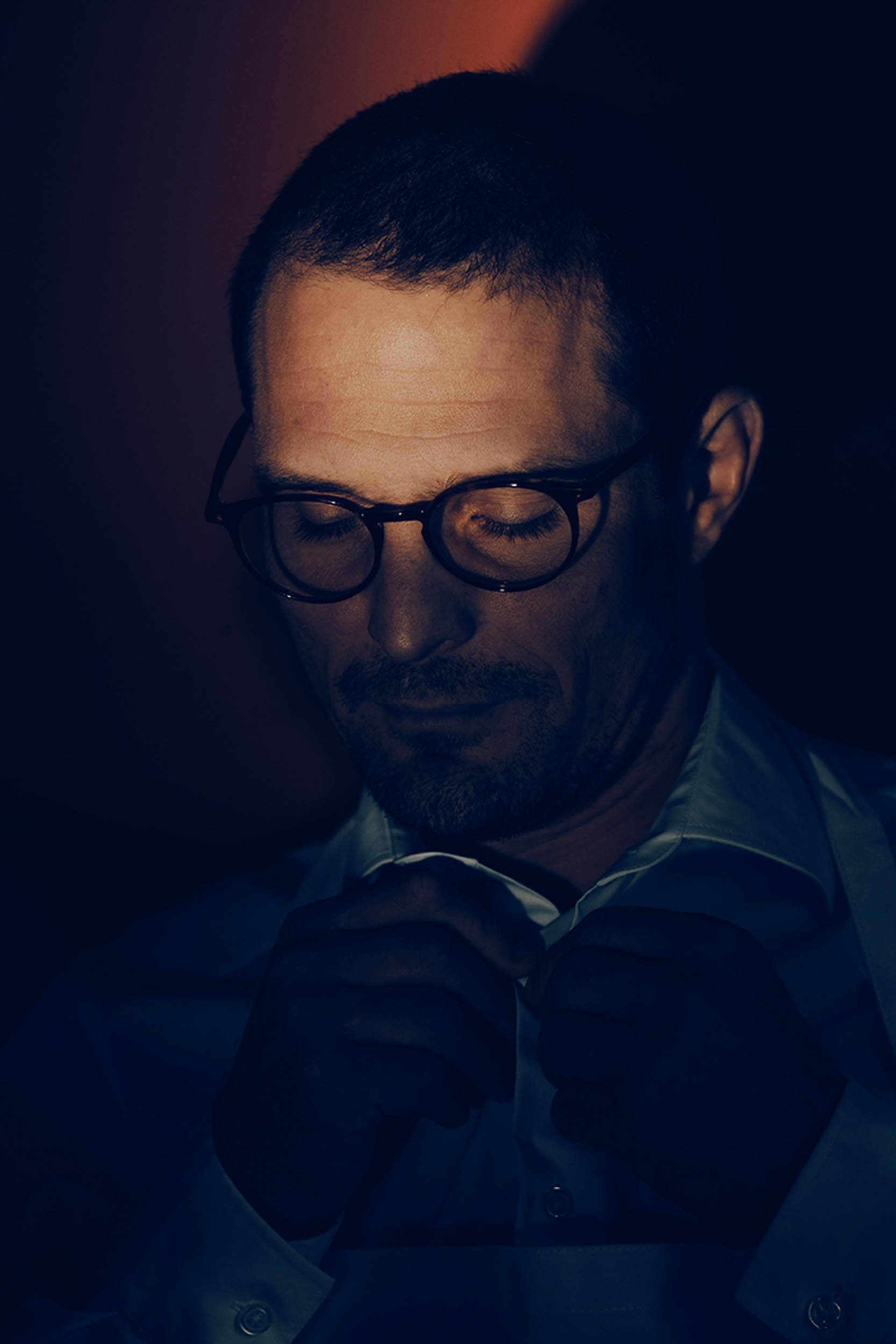
If we cannot have fun, it would be ridiculous for us to pour so many hours into this adventure.
“I will fully honestly admit that none of my employees have a standard 37.5 hour work week,” he goes on to confess. “They want this as badly as I do. And that is why time off becomes a rightful privilege. There has to be days off for you to enjoy a normal life. If you are constantly giving it your all, you will eventually break. No matter how much fun you have and how badly you want it,” he nods. “It has been years now since we went from being open five days a week to being open four days a week. To create space and time off for the crew.”
The Samuel - Jonathan Berntsen on finding his own voice
Indeed, finding balance seems of utmost importance to Jonathan Berntsen - in everything he does. And having found that balance is probably what sets his new restaurant apart from his past experiences.
“When you are really young, you cook for other chefs more than you do for your guests,” he says on finding balance in life. “And you cook to impress. I am now at a point where I do not need smoke, fire, powder and other things that cover the gastronomic effort. I suppose you grow more confident with age. Now, really, I think I cook mostly for myself.”
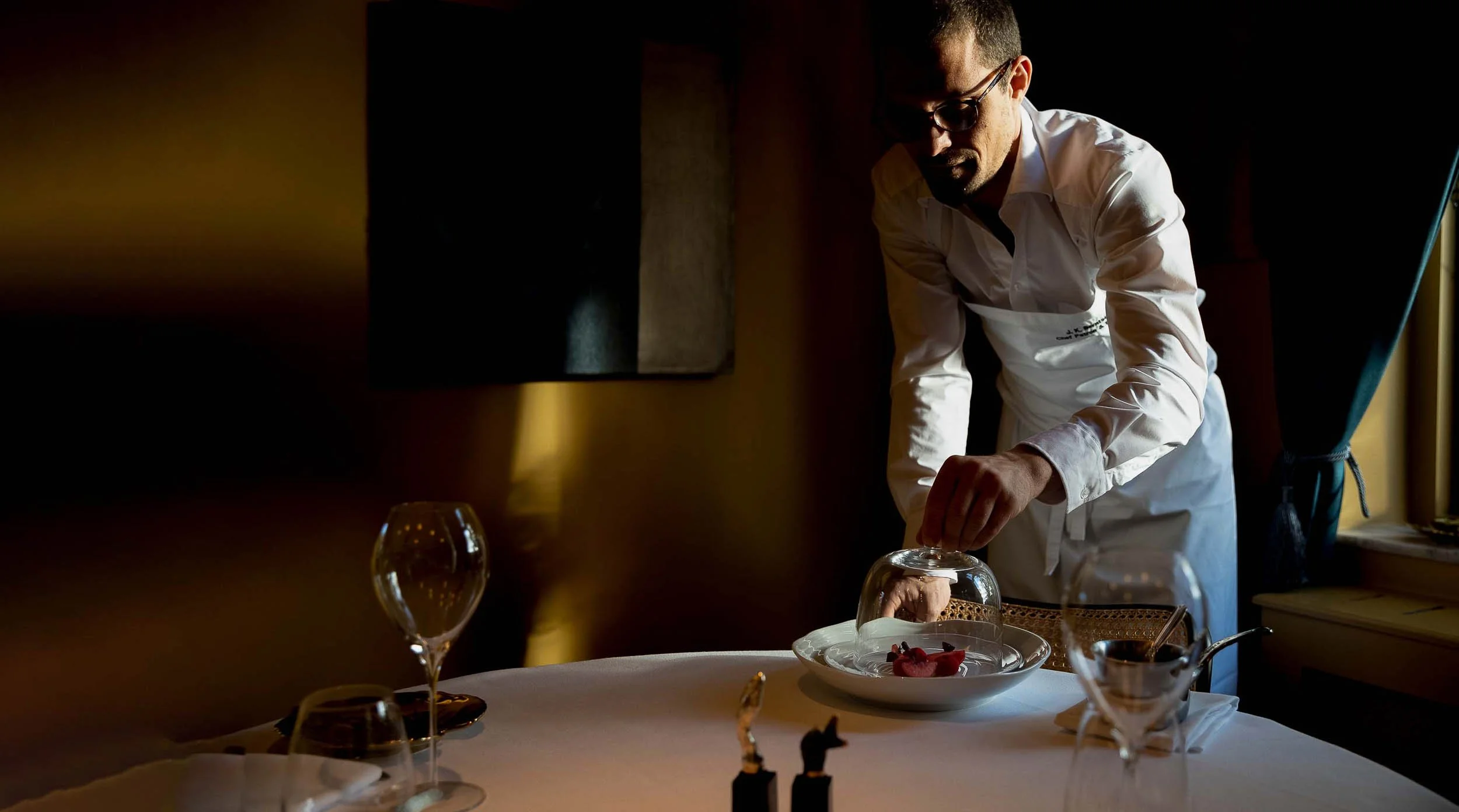
“The Samuel, to me, is the exact experience I want when eating out. I want a cloth on the table, and I want it ironed. I want cloth napkins, hand-blown wine glasses and silver cutlery. I want everything in excess. If I am to spend as much money as our menu costs, I want things to be perfect. I want the staff to be well-groomed and presentable. I want things to be old-school and classic,” he adds on finding his own voice in the culinary business.
Double-click to edit...
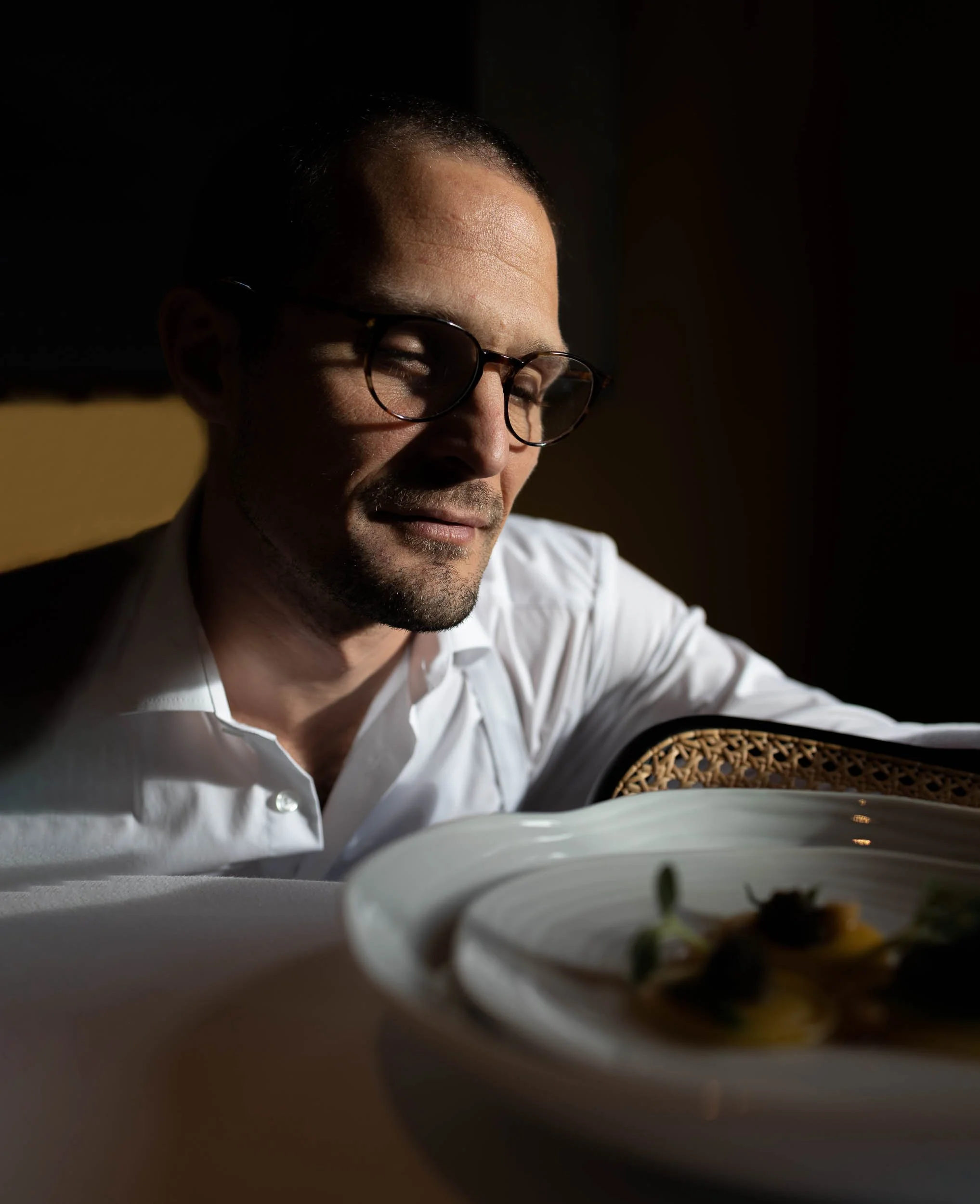
“We use a ton of caviar. We use gluten, lactose, plenty of bread, butter and cream. Foie gras we do not shy away from either. I am literally cooking for myself. Yet, I do not think I have ever had as happy guests as I have here. We are so engaged in our approach to the guests and there is just something beautiful about dedication and personality.
“The Samuel is our opportunity to go all in,” he puts it completely bluntly. “On service, the food and especially the wine menu. We have set the price accordingly. So we may offer the best, expensive ingredients and the best wines. You will find no wine menu in town equal to or better than ours.”
“We are constantly sourcing wines to maintain a steady supply of older vintages. Wines are simply not ready to be enjoyed after a few short years. You are supposed to enjoy a product that has evolved over years and years,” he says visibly animated. “Anything else would be inconsiderate,” he finishes. As if serving 1998 vintage Champagne or 1976 Riesling with meals was somehow the most natural thing in the world - and not something that takes place only here.
But then again. In the end, it is perhaps this endless, uncompromising dedication to presenting the diner with only the best of the best, regardless of price and effort, that is the reason behind Jonathan Berntsen and The Samuel’s quantum leap towards Michelin stardom. And then again, perhaps, it is the immersive and unique setting that has been so beautifully created around the food. Or perhaps it is simply in loving what you do so much that it shines through to a point where your staff laugh, sing and dance their way through the day.
In the end, only the secretive people at Michelin know the full answer. Chances are, however, that it is a bit of all of the above.
Double-click to edit...
