
Double-click to edit...
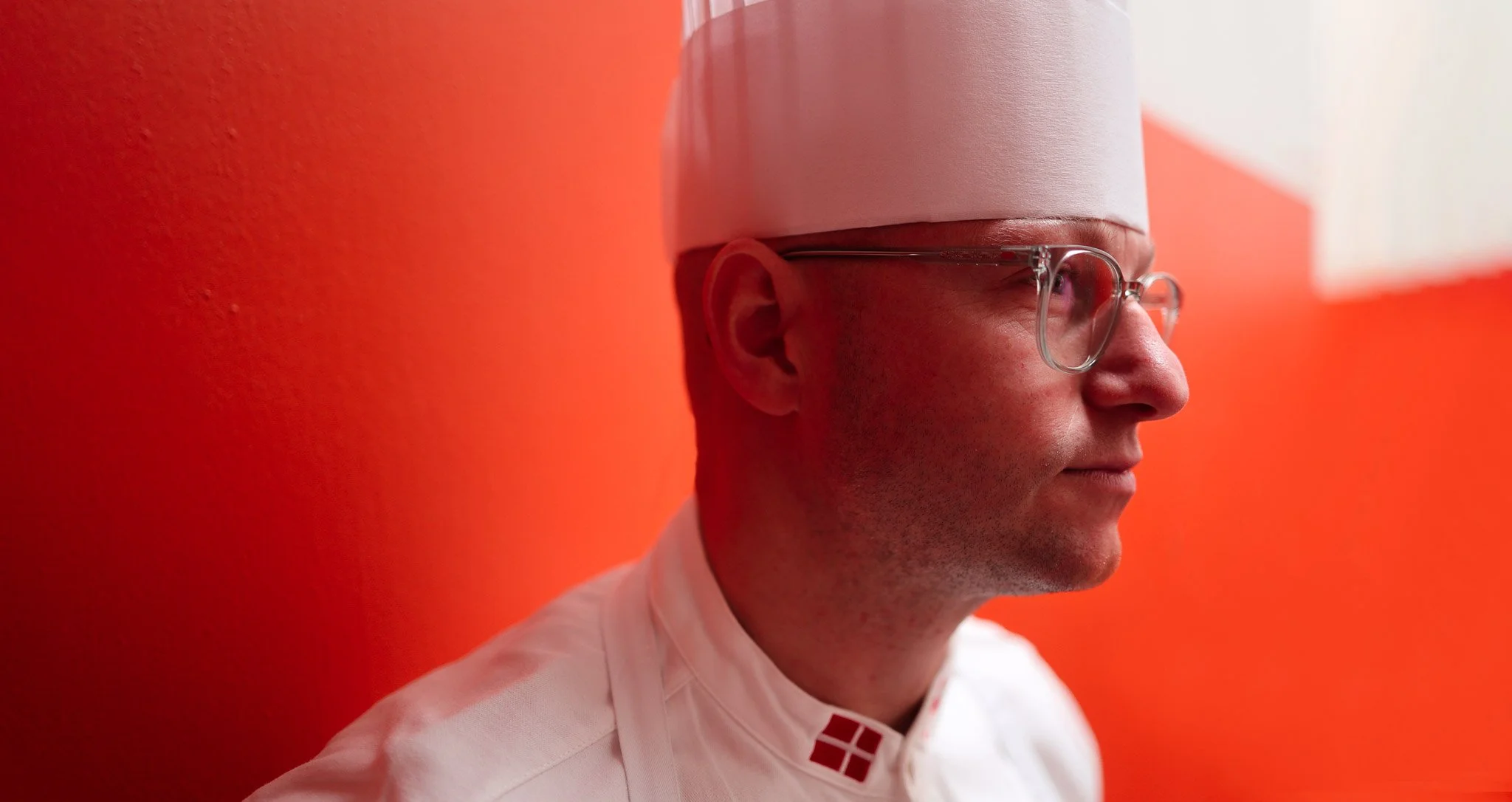
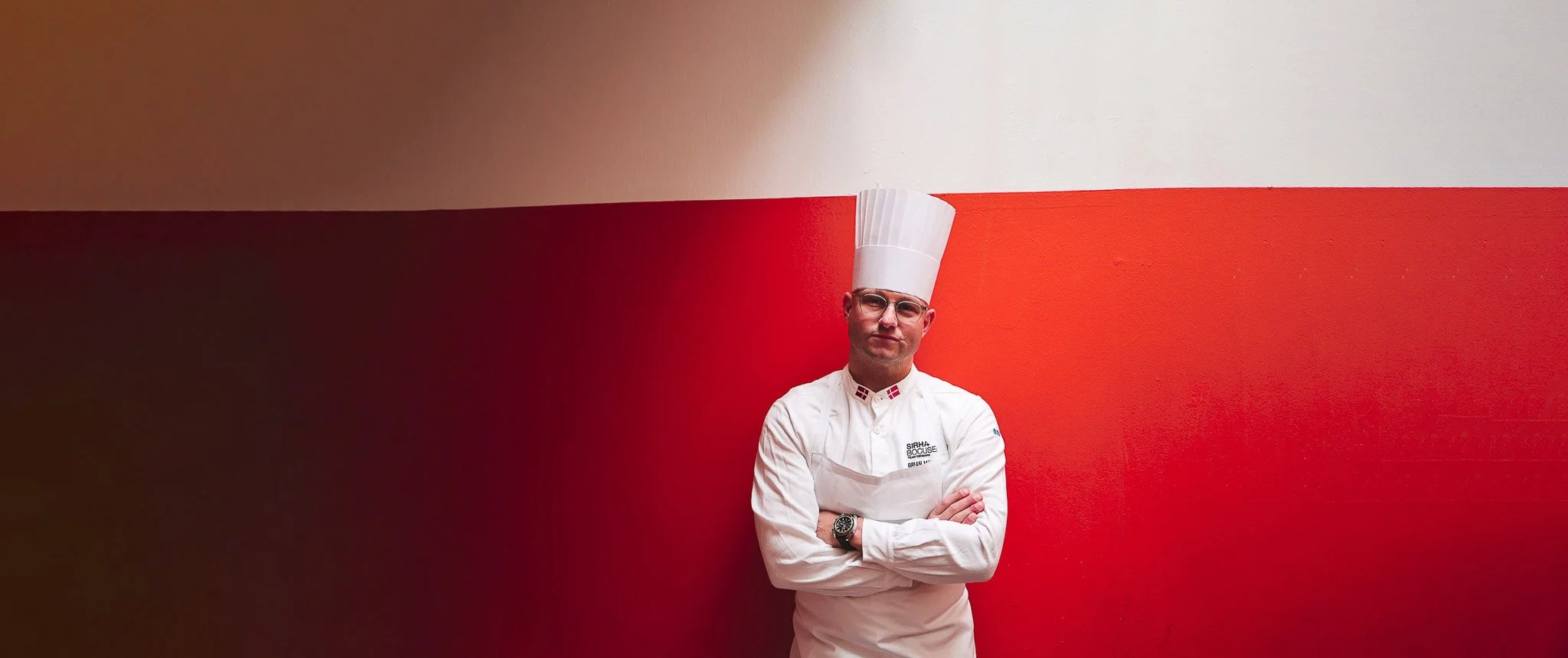
Brian Mark hansen
Lifting the Danish heritage at Bocuse d’Or
PUBLISHED MARCH 2022 ı PHOTO: yeswefood
One of the most compelling competitions returns to the culinary calendar on 23th and 24th of March 2022. At the European Bocuse d’Or qualifications in Hungary, Michelin-starred chef, Brian Mark Hansen, plans to continue Denmark’s dominance with a new approach. Can he lift Denmark’s strong culinary heritage?
“I mean, we’ll see how it goes, right,” he grins jokingly in his typical down-to-earth way, “look, here’s the thing…” He pauses for a second, turns serious and his boyish smile vanishes for his next few sentences.
“We struggled a bit to put the right team together. Time is against us now. We need to move quite fast. But this is where our drive comes in. We want to move fast. And we want to move on. We may not place first in the qualifying round in Budapest this month, but in Lyon we will be 100% ready to go.”
Self-proclaimed hillbilly
Becoming a Bocuse d’Or contender is probably the single most stressful task any chef could willingly take on. Yet, there is an almost magical sense of calm to self-proclaimed hillbilly Brian Mark Hansen as yeswefood.com catches up with him for a comment between practice runs in the Bocuse d’Or Denmark test kitchen.
The long-time head chef of Michelin-starred Søllerød Kro is the latest in a line of star chefs to represent Denmark at Bocuse d’Or, the unofficial World Championships for Chefs. Yet, his story could not start any further from the world stage he is about to climb.
“I was born in Vojens in the South of Denmark,” he explains. “It was the sort of small town where everybody knew everybody and time moved rather slowly.”
Like so many country boys his age, Brian grew up on massive amounts of classic Danish food. His parents owned the local inn, and Brian vividly remembers riding his bike home from school during lunch break to eat lunch at the inn. Roast pork, Danish meatballs with gravy and other hearty, Danish classics made up his childhood diet. It was the stuff that would make you grow up strong and diligent, the locals would say back then - and probably still do today.
Double-click to edit...
Make it, break it and make it again
And in Brian’s case, there was truth to these words. As early as he could, Brian would fall into the habit of helping his parents in their restaurant and he soon after started an apprenticeship at a nearby local inn. Hard work and sacrifice became the norm as he learned the ins and outs of classic Danish cuisine and of running a kitchen.
His dedication led him to the legendary Ruth’s Hotel where he - as he puts it - worked hard and played hard as he earned his stripes under the father of Danish haute cuisine, Michel Michaud. Then, needing a change of scenery, he moved on to equally legendary Kong Hans Kælder in Copenhagen where he approached head chef Thomas Rode Andersen about a job.
I am still marked by where I came from. It keeps me grounded. And calm.
Sensing great potential in the young chef but perhaps overestimating his maturity, Andersen offered him not only a job, but eventually responsibility over the kitchen as well. It was a hefty challenge, Brian recalls, that really taught him the hardships of a professional kitchen - and his own limitations.
He treasured the experience, he says, but it was too much for him at the time. He needed a shift in pace and location. And he eventually found his culinary place and peace of mind in a role as sous chef and eventually head chef at Søllerød Kro just outside of Copenhagen where he remains today. A successful, talented city boy who will never forget where he came from.
“I mean, I have probably been living and working here in hectic Copenhagen for 15 years now,” he smiles, “but I am still marked by where I came from. It keeps me grounded. And calm.”
Double-click to edit...
Lifting the Bocuse d’Or Spirit
With his background and calmness, It is hard not to picture Brian Mark Hansen as a fitting Bocuse d’Or candidate. His cooking is classic French at heart with an up-to-date, innovative style. Yet, in his own words, Brian’s style is also different from the heritage he will be trying to lift in Budapest and Lyon.
“In Bocuse d’Or terms, Denmark has this massive energy, goodwill and culinary history to ride on and benefit from. We, as a team, need to acknowledge that this energy came from somewhere,” he says, and quickly elaborates. “This energy is from those that came before us. Notable past contenders like Jens Peter Kolbeck, Kenneth Toft Hansen and especially Rasmus Kofoed. Rasmus,” he nods, “ is a majestic profile and a crowd darling in Lyon. His significance and impact is immeasurable. When it comes to Bocuse d’Or, it is safe to say there is a Paul Bocuse but certainly also a ‘Rasmus Bocuse’.”
When it comes to Bocuse d’Or, it is safe to say there is a Paul Bocuse but certainly also a ‘Rasmus Bocuse’.
“When people think of Denmark at Bocuse d’Or, they think of Rasmus Kofoed and his New Nordic style. We have to respect that. But at the same time, we want to present something new. We are aware of and appreciative of our history, but will probably attempt a few spin-offs. Bocuse d’Or Europe will be a test,” he reveals. “To see if the world is ready, or if we have to revert back to a New Nordic approach. We hope to be able to conquer culinary hearts down there with a new twist on what is expected of us.”
Double-click to edit...
The challenges ahead
The task that awaits Brian Mark Hansen in Hungary will not be an easy one. Over two days, Brian will be battling chefs from 17 other nations in a heated race. The goal? To produce - with perfect timing and attention to detail - two dishes displaying not only craftsmanship in flavor and presentation, but also an understanding of the culinary culture of the host country.
“The first dish must be completely vegetarian,” Brian explains the task at hand. “We may use up to three local varieties of potatoes. And we must use at least one. As Danes, we are obviously quite happy to work with potatoes. We can really make something from them. The only obstacle is that we have never seen these varieties before. They are Hungarian varieties, completely unknown to us, but that is all part of the challenge.”
Read also: Kenneth Toft Hansen - What it takes to win Bocuse d’Or
For the main course, chefs must work with venison as their main protein and duck liver has been added to the set of mandatory ingredients as well. “I, personally, am quite happy to work with duck liver,” Brian grins, highlighting his background in the French kitchen. “I am pretty sure we will make it work,” he says with a wink.
“How will things turn out,” he says, turning serious. “Well, I have absolutely no doubt that Hungary will do incredibly well. Oh, for us,” he then grins again. “For me, it will be a lot of fun to watch this all unfold, and to take part in it, of course. We need to really get our things together and shape up for the finals, but you know what? It is going to be okay, and we are going to do well! Because we are a strong team!”
Double-click to edit...
Denmark’s first female commis
Team is a word that Brian Mark rightfully keeps returning to. A Bocuse d’Or effort is not built on one man alone. And while Brian Mark Hansen may receive most of the limelight, his team consists of important resources he could absolutely not compete without.
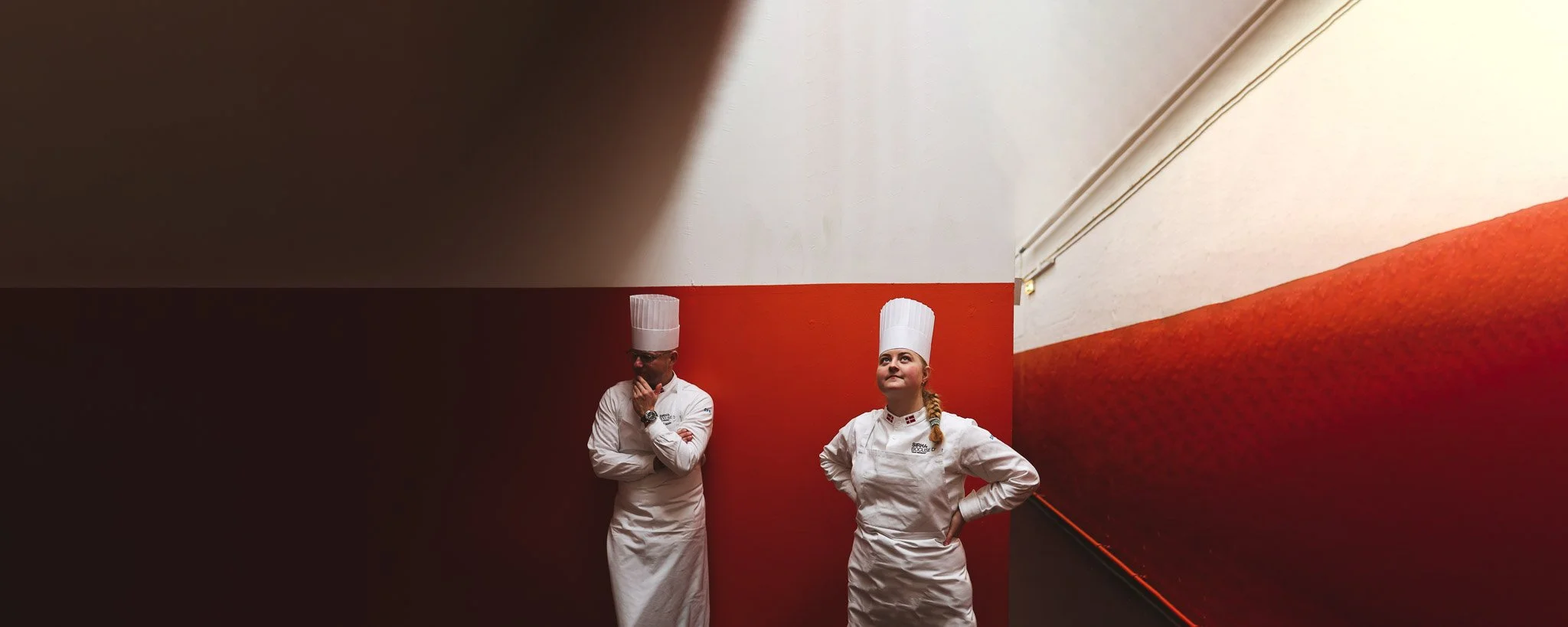
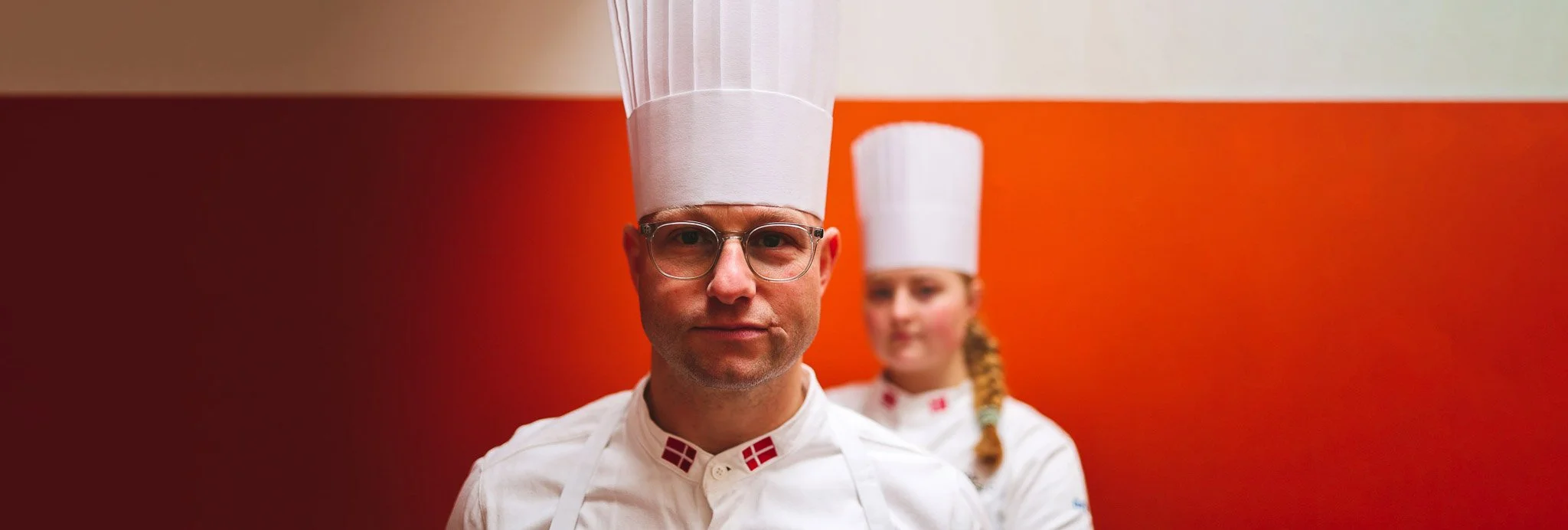
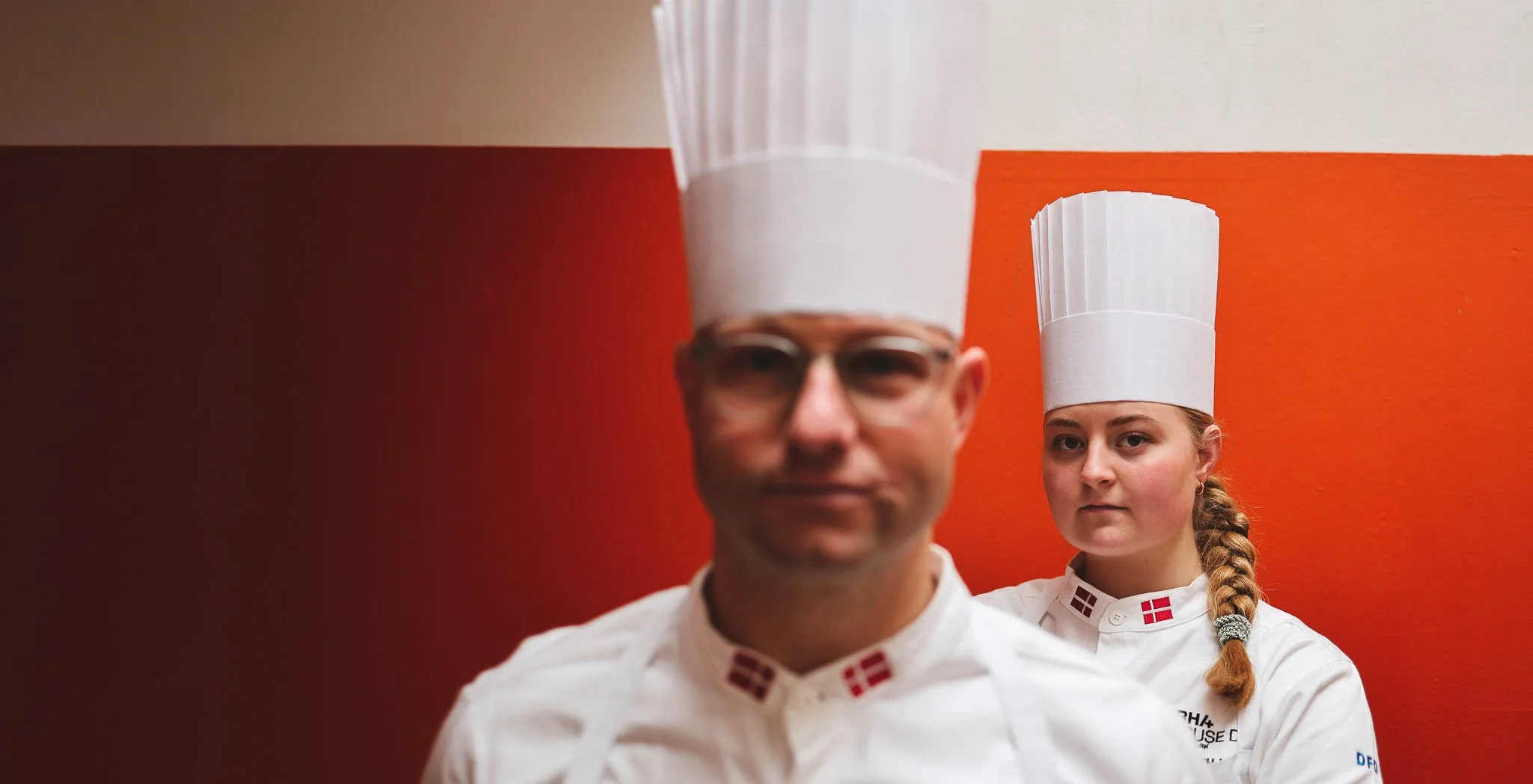
Most important is his commis Elisabeth Madsen of Svinkløv Badehotel who despite her young age has worked 5 years in the business and boasts 7 culinary competition wins. Along with their assistant, Boris Kløft, Elisabeth does most of the heavy lifting in the kitchen. On the sideline, Brian is furthermore backed by a coach as well as culinary mentors like Francis Cardeneau and former Bocuse d’Or winner, Kenneth Toft Hansen who offer their knowledge and support.
A good idea is a good idea no matter who puts it forth. Everybody is equally entitled to their opinions and to offer input.
“Luckily, Bocuse d’Or Denmark has finally put together a strong team, and most importantly we have managed to bring Elisabeth on board. She is obviously young, but full of experience,” he says proudly, yet does not address the seemingly groundbreaking aspect of her election. That Team Denmark, for the first time ever, has chosen a female in the ever-important support role.
“I think it is magnificent. But… This has nothing to do with gender or quotas” he stresses when asked. “You,” he says turning to his young commis who has been sitting silently beside him, “are simply the strongest candidate for Denmark,” he smiles and turns back to the conversation.
“Whether you are a boy or girl, to me, is completely irrelevant. Others have put thought into it, but in this kitchen we are way past that. We are just ecstatic to have found the perfect candidate. We listen to everybody. A good idea is a good idea no matter who puts it forth. Everybody is equally entitled to their opinions and to offer input. Every voice needs to be heard, because this is when magic happens!”
