
Double-click to edit...
In the heart of Mexico City, a rather unusual restaurant is challenging almost everything we have come to expect from modern gastronomy. A restaurant where the menu begins in ancient pre-Hispanic gardens, creativity thrives on limitations and the concept of waste is being quietly dismantled, one ingredient at a time. At Baldío, the radical ambition is not simply to create extraordinary food, but to rethink the entire system behind it. And with young chef David Vidal in the kitchen, this ambitious experiment is taking on a culinary identity of its own.
What happens when you take away a chef's freedom to use whatever ingredients they please, remove the convenience of conventional suppliers, forbid the rubbish bin and ask them to create something extraordinary? Most chefs would probably consider it a nightmare. At Baldío, in Mexico City's Condesa neighbourhood, it's simply another day in the kitchen.
Mother Nature Has Entered the Kitchen
Forget the rubbish bin. At Baldío, it simply doesn't exist. Not because someone forgot to install one, but because the entire restaurant has been designed to function without it. A rather ambitious undertaking in an industry where waste is almost as inevitable as the washing-up. Baldío is the gastronomic love child of brothers Pablo and Lucio Usobiaga, founders of regenerative agriculture project Arca Tierra, and Douglas McMaster, the rebellious British chef behind London's pioneering zero-waste restaurant Silo. Together, they have set out to prove that restaurants can operate differently, without compromising the very reason people go out to eat in the first place: pleasure.
McMaster has spent more than a decade challenging the industry's wasteful habits. His philosophy is simple, if rather uncompromising: waste isn't inevitable; it's the result of a system that hasn't been designed properly. At Baldío, that thinking has found fertile ground. Quite literally.
The restaurant's ingredients are closely connected to the ancient chinampas of Xochimilco, the remarkable pre-Hispanic agricultural gardens that Arca Tierra is working to revive and protect. These centuries-old cultivation systems, often described as floating gardens, once helped feed the Aztec capital. Today, they provide the foundation for a restaurant that looks to the past for inspiration on how to feed the future. Here, regenerative farming, biodiversity and traditional cultivation techniques aren't simply fashionable buzzwords. They are the starting point of everything that eventually lands on the plate.
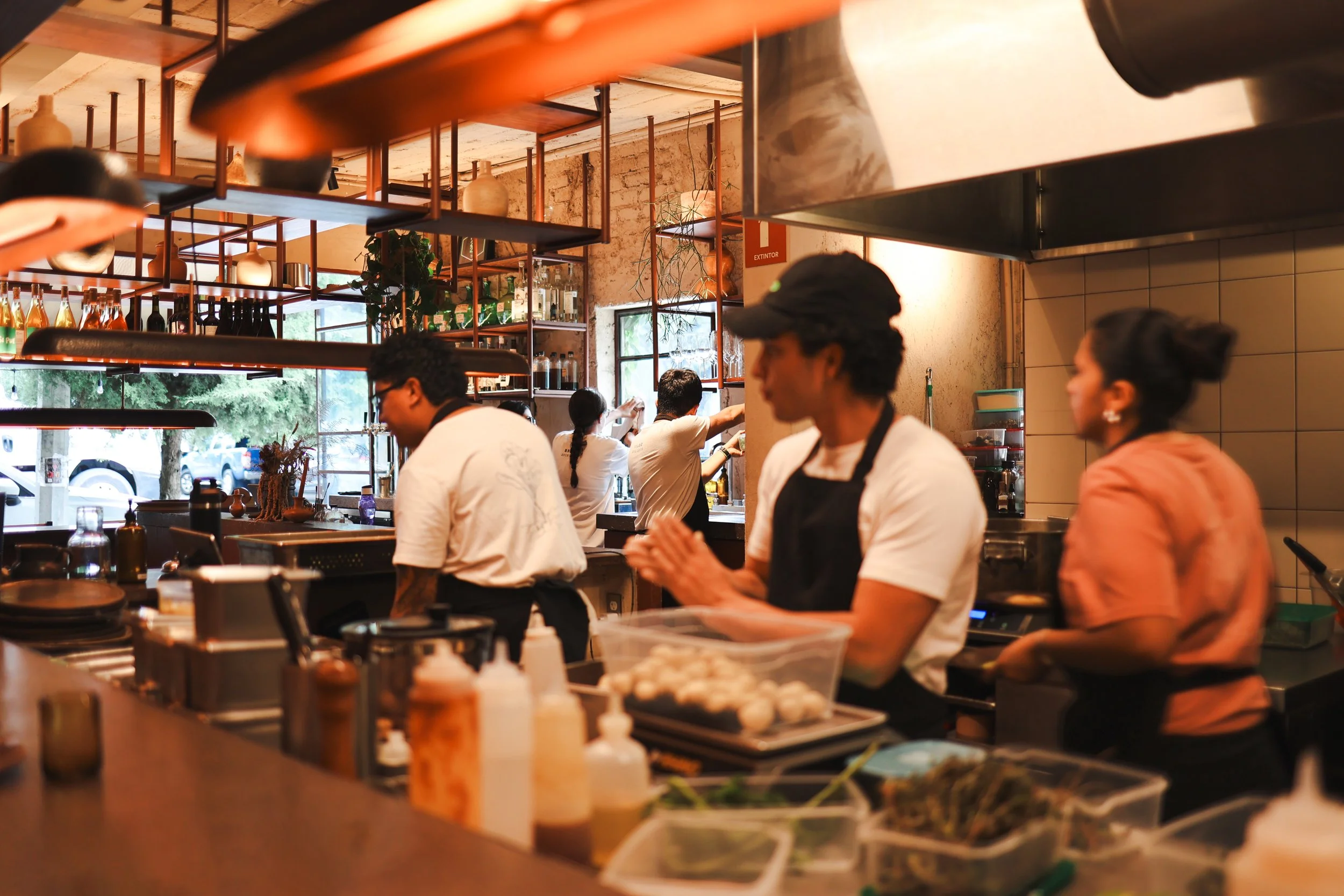
Ingredients travel from the chinampas and Arca Tierra's network of producers to La Baldega, the project's preparation kitchen, where fermentation, preservation and some rather ingenious culinary thinking transform produce into a whole arsenal of flavours. What might ordinarily end up in the bin is given another purpose, another preparation, another chance. Only then does it reach Baldío, where young chef David Vidal and his team turn this carefully considered system into something worth sitting down for. And the most interesting part? None of this feels like a lecture on sustainability. Because while the philosophy is certainly admirable, a restaurant still needs to deliver where it matters most. On the plate.
Read also: Pablo Usobiaga - Champions of Change
A Little Less Waste, a Lot More Flavour
There is something refreshingly uncomplicated about Baldío's cooking. Not necessarily in its preparation, which can be anything but simple, but in the way the dishes allow the ingredients to speak for themselves. No unnecessary culinary acrobatics. No elaborate presentations desperately trying to impress. Just produce, imagination and a clever understanding of how flavours work together.
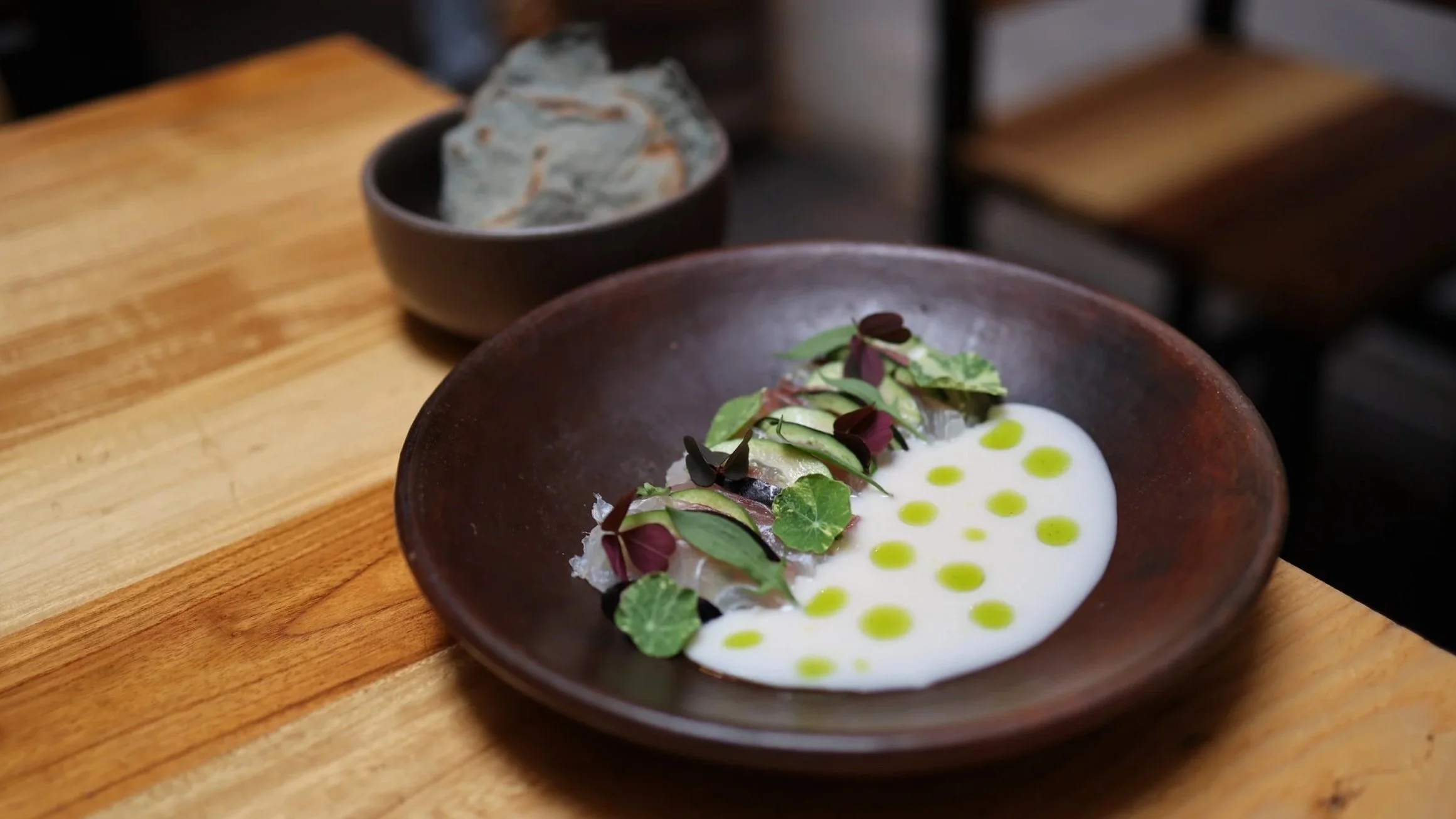
The ceviche is a particularly convincing introduction. Fresh, punchy and bursting with flavour, it brings together tiger's milk, crisp jicama and herbs from the chinampas. The vibrant acidity immediately wakes up the palate, while the jicama delivers a refreshing crunch and the herbs add a wonderfully aromatic freshness. It's lively, confident cooking that doesn't need an elaborate explanation to justify its existence. Every element has a purpose, and together they create something that feels bright, energetic and deliciously alive.
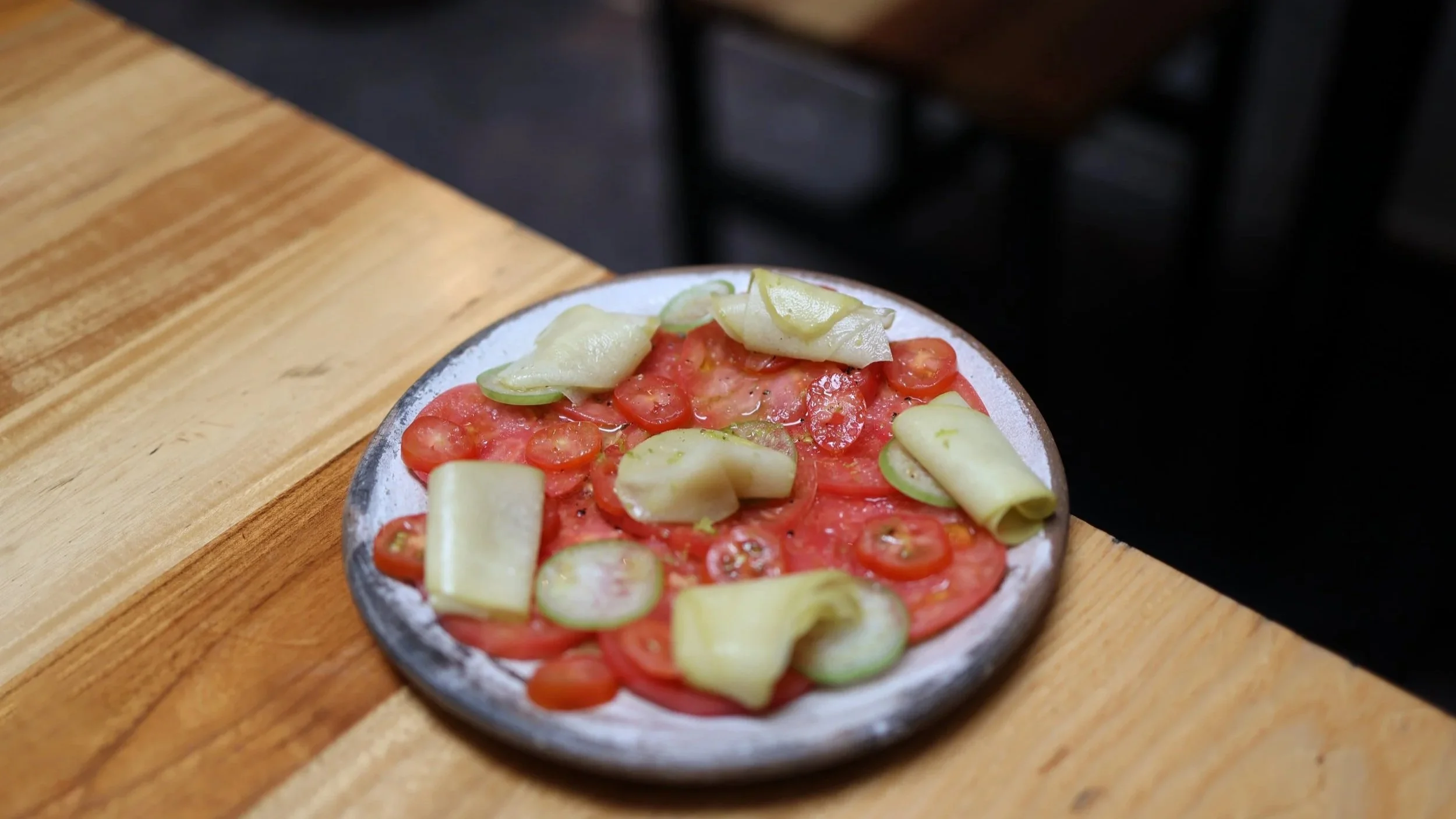
Next comes a mixture of Tecomatlán tomatoes, accompanied by pickled chayote and a sikil pak vinaigrette with orange. A colourful celebration of ingredients that might sound modest on paper but prove considerably more interesting together.
The tomatoes take centre stage, their natural character complemented by the tangy sharpness of the pickled chayote and the nutty richness of sikil pak, the traditional Yucatán preparation made from toasted pumpkin seeds. The orange brings a citrus brightness that lifts the entire composition, creating a lively interplay of freshness, acidity and depth.
There is something almost mischievous about the simplicity of it all. No extravagant ingredients, no unnecessary embellishments, just vegetables treated with the respect they deserve.
A Tamale Worth Getting Excited About
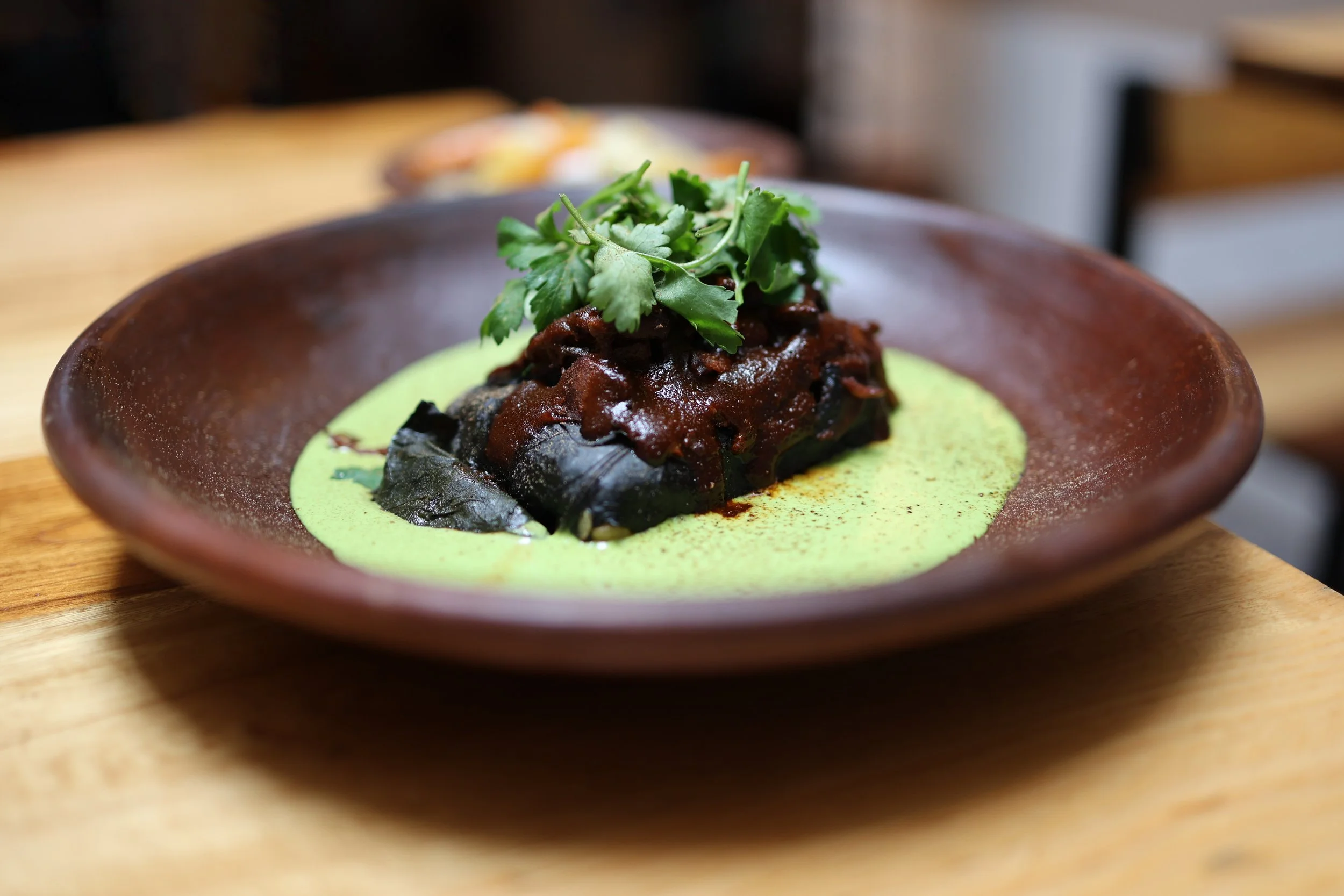
Then comes the tamale. Wonderfully soft, almost delicate, this comforting Mexican classic with a twist arrives with barbacoa-style mushrooms, drunken sauce, pickled vegetables and mushroom garum sprinkled on top. A rather intriguing combination that brings together familiar Mexican flavours with Baldío's fascination for fermentation and preservation. The tamale itself is beautifully tender, providing a gentle foundation for the earthy richness of the mushrooms. The drunken sauce adds depth, while the pickled vegetables brings the acidity that cuts through the richness.
It is comforting and inventive in equal measure. Familiar enough to feel reassuring, yet unconventional enough to make you stop and pay attention. And perhaps that is where Baldío's cooking is at its most interesting. Rather than attempting to reinvent Mexican gastronomy through elaborate techniques or unusual ingredients imported from halfway around the world, the kitchen finds inspiration in the country's own extraordinary culinary heritage.
Traditional preparations meet fermentation, preservation and an almost obsessive determination to make the most of every ingredient. The result is a culinary language that feels unmistakably connected to Mexico, yet refreshingly free from the obligation to reproduce tradition exactly as it has always been. The food isn't trying to be radical for the sake of it. It simply happens to be the result of a rather radical way of thinking.
And importantly, none of the dishes feels like sustainability for sustainability's sake. The ceviche is delicious because of its freshness and balance, the tomatoes because of their natural flavour and clever accompaniments, and the tamale because it delivers the sort of comforting satisfaction that makes good food so irresistible. The philosophy might explain how the dishes came to exist. But flavour is what makes them worth remembering.
A Delicious Little Rebellion
In short, Baldío is not your average restaurant with a green conscience. It is an ambitious, occasionally unconventional and surprisingly delicious attempt to rethink what modern gastronomy could look like.
The cooking is fresh, expressive and firmly connected to Mexico's extraordinary culinary heritage, while fermentation and zero-waste techniques bring an inventive edge to familiar preparations. The ceviche delivers an exhilarating punch of freshness, the tomatoes celebrate the pleasures of good produce, and the wonderfully soft mushroom tamale offers a comforting reminder that sustainability and indulgence are hardly mutually exclusive.
Douglas McMaster's uncompromising philosophy, the Usobiaga brothers' commitment to regenerative agriculture and David Vidal's increasingly confident culinary identity come together in a restaurant that is far more interesting than its zero-waste credentials alone might suggest. Because Baldío's greatest achievement isn't simply proving that a restaurant can operate without a rubbish bin.
It's proving that doing things differently can be every bit as delicious. And if this is what nature's favourite restaurant tastes like, Mother Nature has rather good taste.
Baldio
Price range: Affordable to mid-range
Cuisine: Contemporary Mexican, regenerative and zero-waste
Where to go: Antonio Solá 26, Condesa, Mexico City
What to expect: Inventive Mexican cooking, ancient agricultural traditions and a kitchen that refuses to waste.
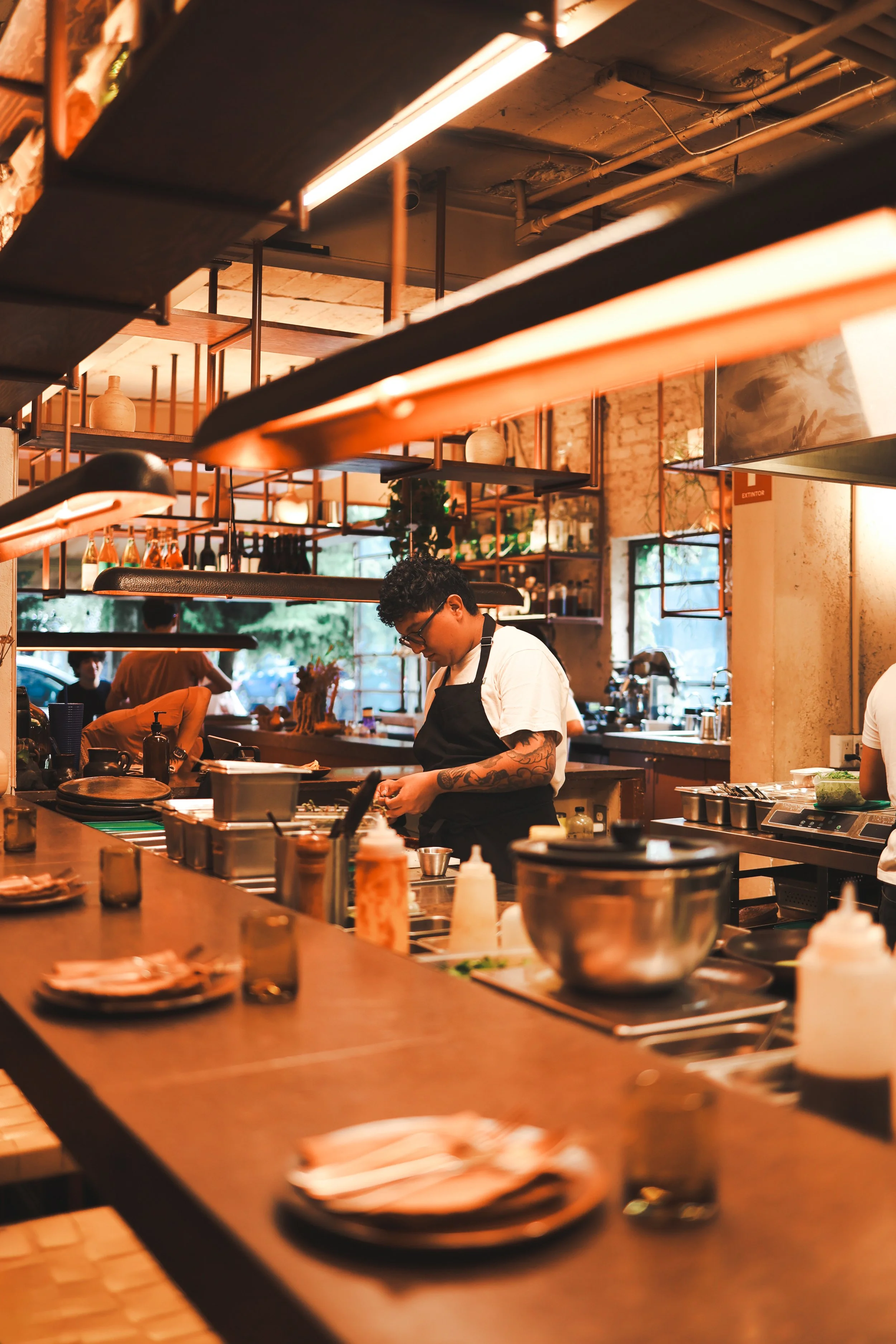
What the vibe is like: Open kitchen. Natural stone, wood and earthy textures creating a warm, understated space.
What to order: The punchy ceviche with chinampa herbs, Tecomatlán tomatoes and wonderfully soft mushroom tamale.
Double-click to edit...
