
Double-click to edit...
Søren Frank
“I owe it to my readers to be honest,” says a legend amongst Danish food critics
PUBLISHED AUGUST 2021 ı PHOTO: REBECCA FEXBY
Søren Frank, and his brutally honest pen, has for almost 30 years been a tremendous voice in Danish gastronomy. In a rare interview, the patriarch of Danish food critics explains what inspires and drives him, what it takes to be a food critic and how it feels to write a devastatingly critical review. All while offering incredible perspective on three decades of culinary evolution in Copenhagen.
“... And then again, who knows? Sometimes good things come from a crisis! Look at Burgundy in the 1920’s for example when all the domaines went from selling off their grapes to making absolutely fantastic wines”.
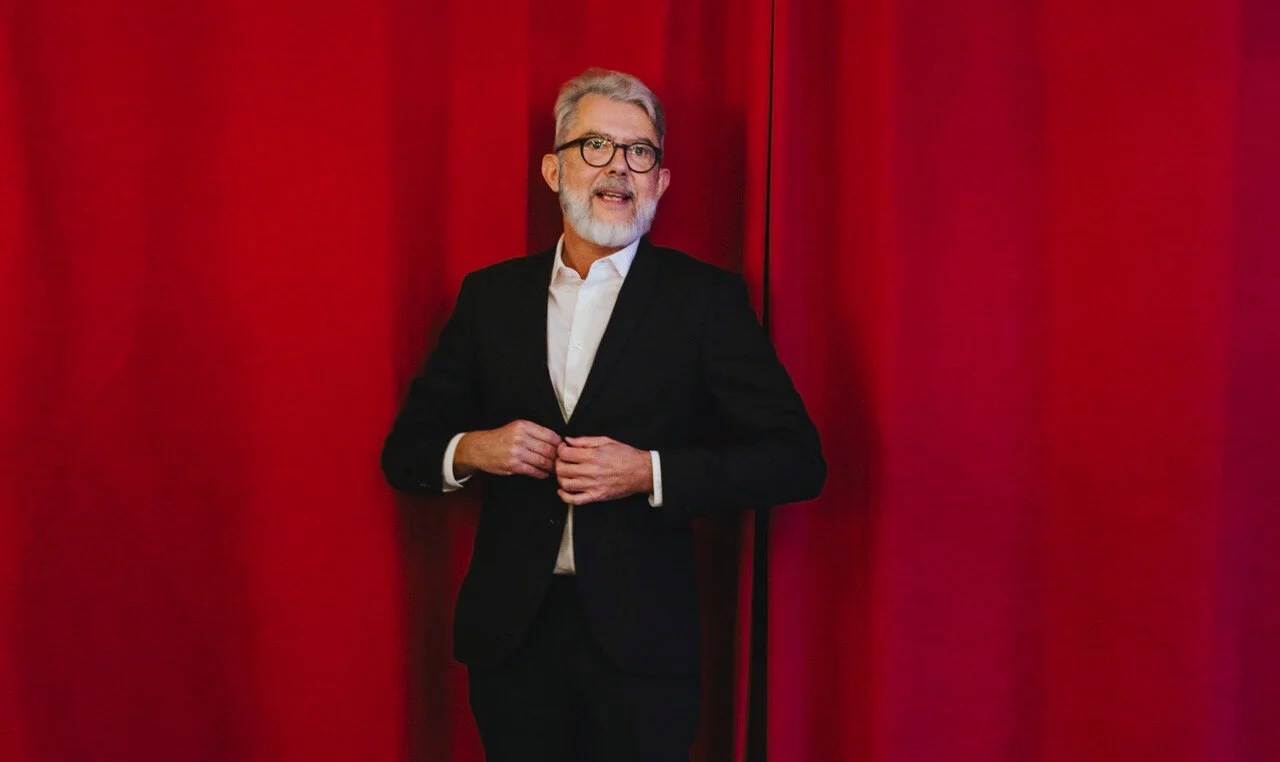
There’s an almost stoic sense of calm about the seasoned food writer as he sits there collected and immaculately groomed in his trademark suit and tries to answer the hardest of questions: What will be the impact of the Covid-19 pandemic?
His spoken words, though steadily flowing, seem as well-chosen as his legendary written ones, and maybe appropriately so. They are, after all, the words of a man who has seen it all: From the early beginnings of Danish fine dining over the New Nordic revolution. To the international influx on the Copenhagen scene to complete Covid-19 related lockdown and an industry that is now trying to innovate and thrive in the shadow of a global pandemic.
Yeswefood.com set up a lunch date with legendary Danish journalist and food writer, Søren Frank, to not only hear his take on past and present culinary developments but also hear his story and learn about the man behind the pen.
... And then again, who knows? Sometimes good things come from a crisis! Look at Burgundy in the 1920’s for example when all the domaines went from selling off their grapes to making absolutely fantastic wines!
Known as one of the original, leading and more brutally honest voices on the Danish food scene, Søren Frank is respected by many, feared by some and hated by a few for the impact of his words. What makes a man dedicate three decades of his life to writing about food? How does he see the Copenhagen food scene - past, present and future? And what does it really take to be a great food critic and write the perfect review. These are some of the questions answered during a 1.5-hour interview by a legend of the industry.
Søren Frank on the gastronomic revolution
To Søren Frank, writing about food - and more specifically reviewing food - came naturally. He has loved food as far back as he can remember, but took a break from his passion during his rock ‘n’ roll years of his early 20’s to focus on playing and reviewing music. As with so many old loves, however, he quickly found his way back once his wilder years drew to an end, and he has since never looked back.
His legendary and respected body of work on the Danish and international food scenes took its early beginnings nearly 30 years ago, when he started writing about food, wine and travel in his role as editor in chief of Euroman magazine. “That is the beauty of being an editor, you are the decision-making body as well,” he smiles, as he recalls how he first started writing about food and traveling.
But had Ferran not first pushed the boundaries, I don’t think Redzepi and his peers could have started their own revolution that shaped the Copenhagen restaurant scene into the culinary melting pot that it is today.
And for Frank, traveling was - at the beginning of his career - an absolute necessity. “Back then, if you wanted great food experiences, you had to travel,” he recalls, “In the 80’s, the food you would eat at top Copenhagen restaurants was really no different from the food you could cook at home,” he continues in his brutally honest signature style. “It was a very far cry from what you see today.”
Even as the 90’s rolled around, the scene was dominated by classic French establishments, says Frank, with a number of upbeat fusion establishments inspired by the dining scenes of London and New York as a sprinkle of spice in the culinary mix. It was great, he recalls, but by no means revolutionary.
Excitement, for Frank, came in the shape of a culinary revolution that took place in the late 90’s, but not within Copenhagen itself. No, somewhat surprisingly, he puts the roots of the Danish gastronomic revolution somewhere else entirely. In rather a strange place. More precisely in Catalonia. In the hands of chef icon Ferran Adria at legendary El Bulli where Frank himself claims to have had the most defining dining experience of his life, and where he is sure chefs from all over the world found their courage and inspiration. This, in his mind, includes the likes of Noma founder and restaurateur mastermind Rene Redzepi.
“Were it not for Ferran, I honestly don’t think there would have been a Redzepi,” he elaborates: “What Redzepi has done at Noma and for Denmark is absolutely wonderful on a totally different level and should not be underestimated. But had Ferran not first pushed the boundaries, I don’t think Redzepi and his peers could have started their own revolution that shaped the Copenhagen restaurant scene into the culinary melting pot that it is today. Ferran got to the root of classic gastronomy, got to know his flavors, tore it all down then reconstructed it again. In ways that people had never done before.”
An unforeseen revolution and the second wave of punk rock
To Søren Frank, drawing on his background in music, everything that happened from El Bulli and onwards is all a classic tale of culture, counterculture and revolution. “It’s a little like the second wave of punk,” the mature rock-n-roller argues, “everything happens as a counter-move to the status quo and every now and then trends repeat.” Had Ferran not started one revolution, it is uncertain whether Rene Redzepi and peers would have felt inspired to launch the New Nordic counter-revolution in which fine dining was broken down into absolute simplistic, hyper-local and seasonal masterpieces.
If Ferran was all about technique, Redzepi was all about respecting ingredients and symbiosis with nature. Redzepi’s dishes were simple in appearance and all about showcasing the freshest and most seasonal of local produce in an aesthetical manner. This New Nordic style of cooking and its vastly different mindset quickly brought all culinary eyes on Copenhagen, and even led to a large-scale invasion of international chefs and interns who were more than happy to work under Redzepi. Chefs like Matt Orlando and Rosio Sanchez who later spawned smaller revolutions of their own.
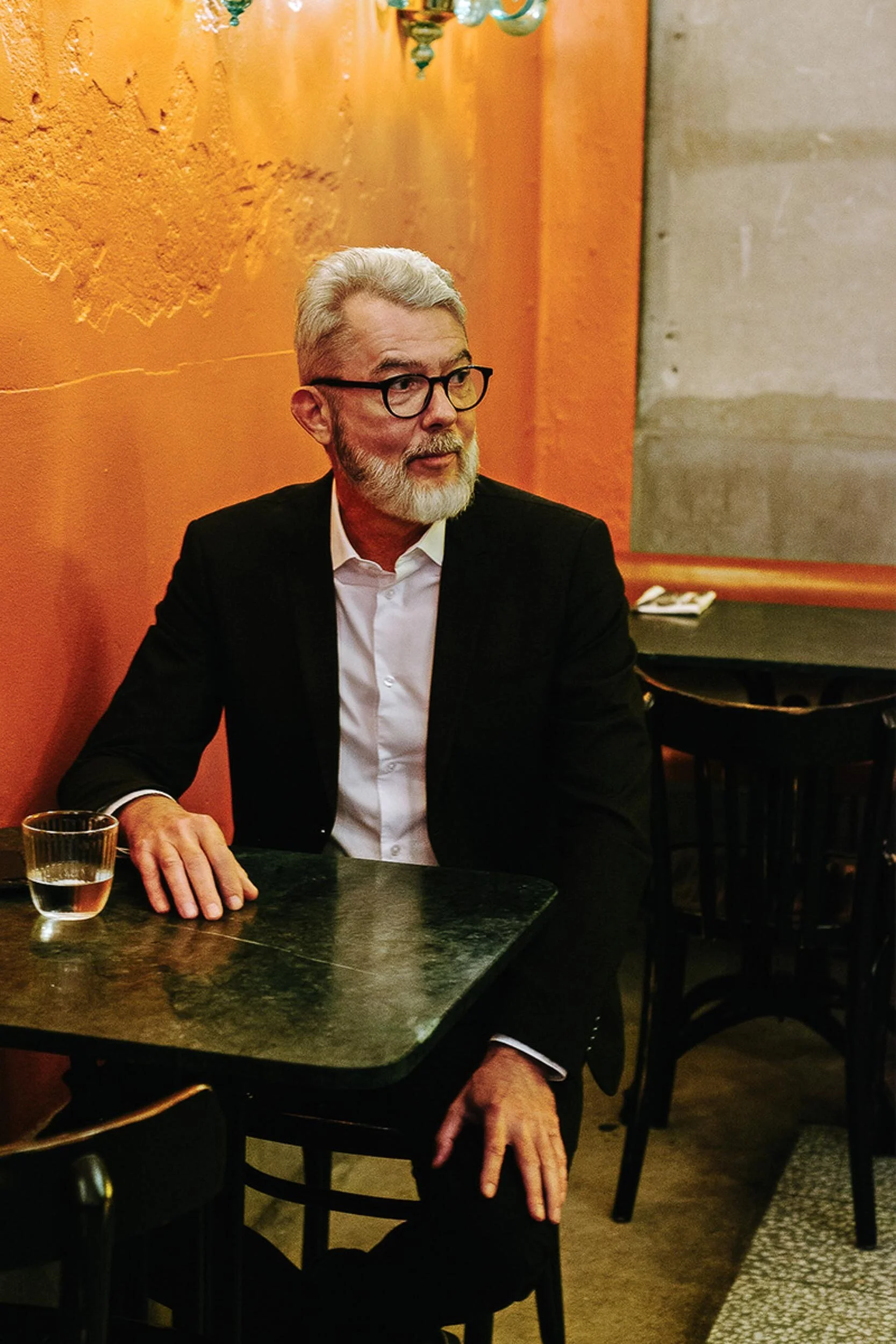
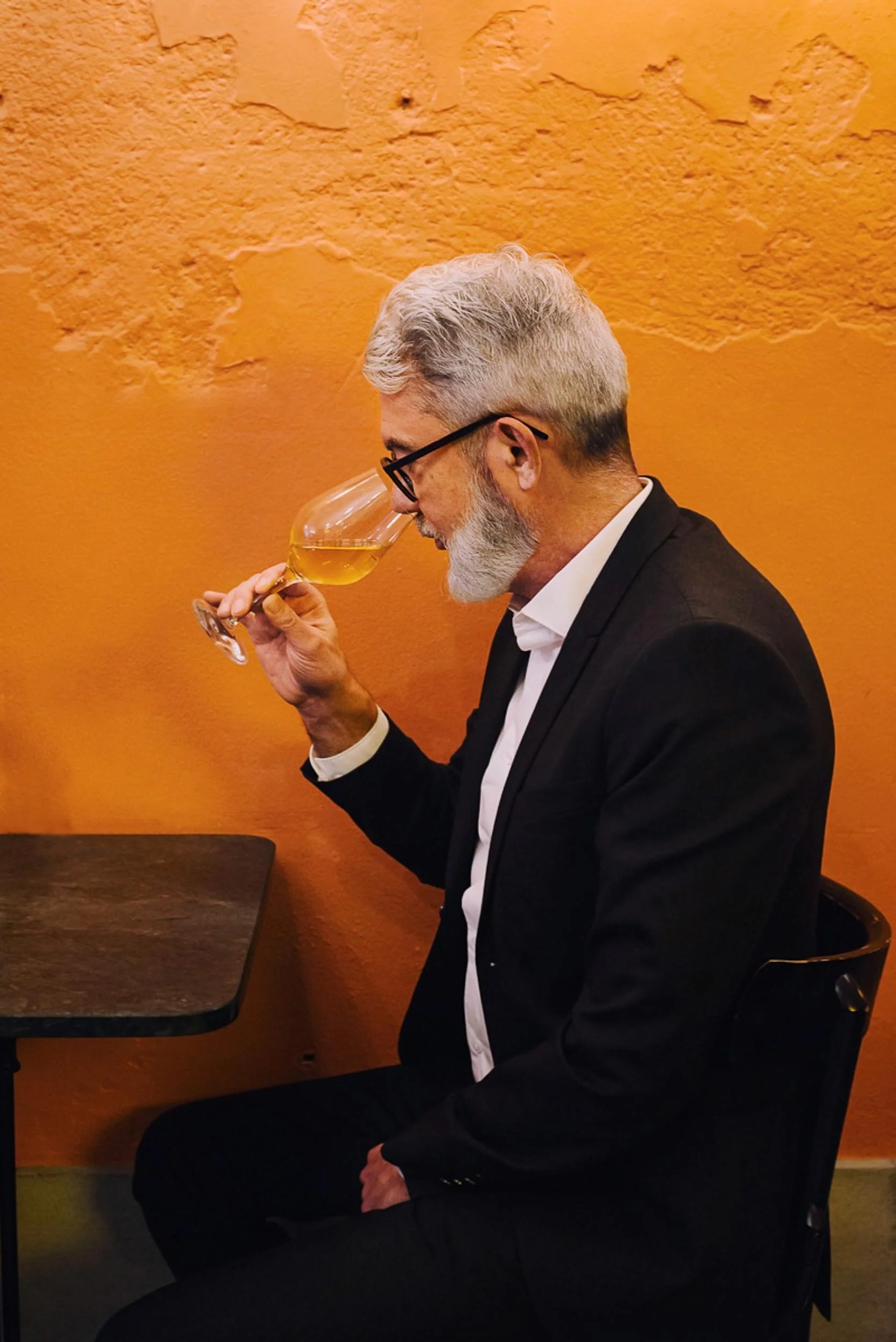
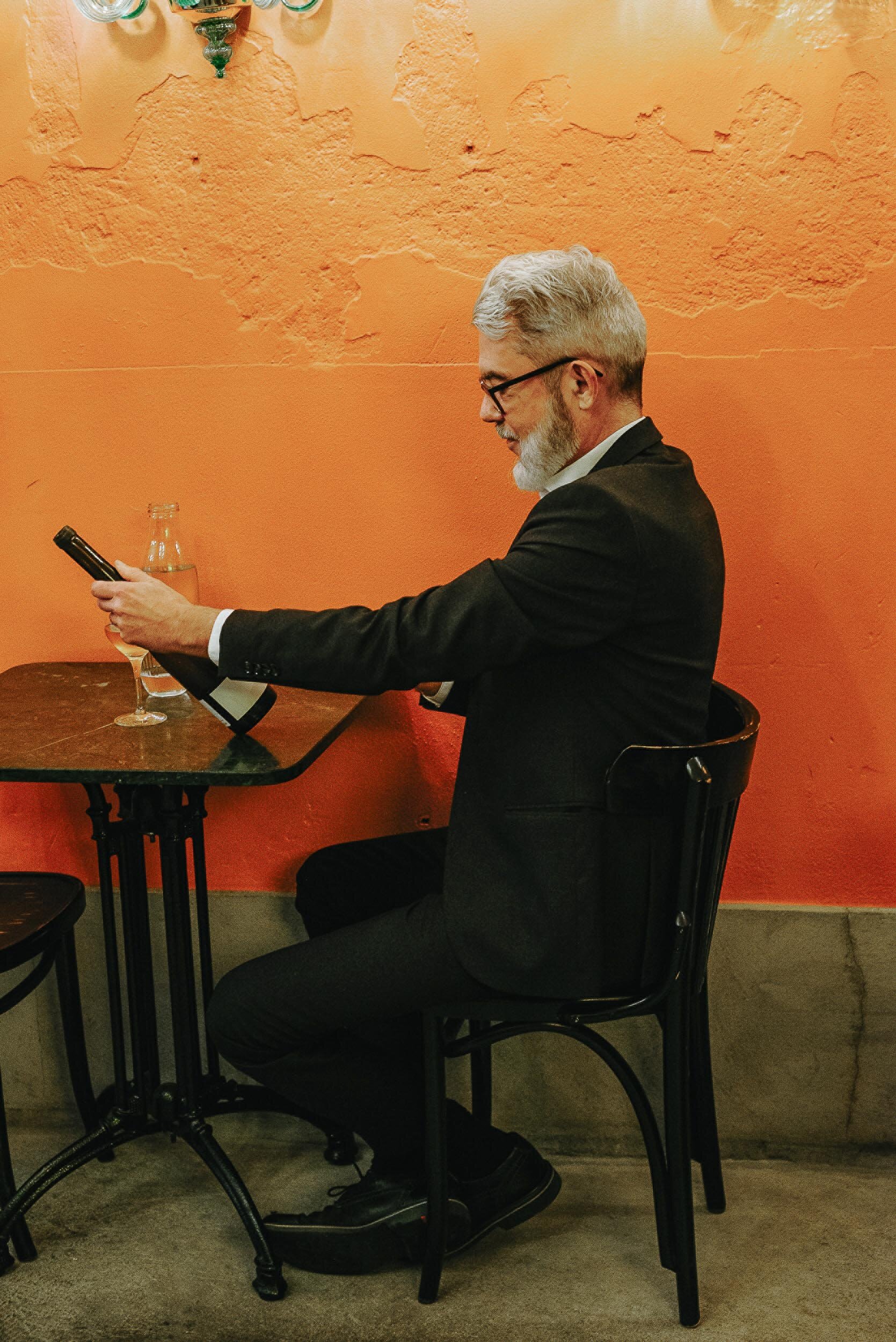
Revolutions that even the seasoned food writer did not predict: “Well, if I’m honest, I didn’t exactly see it coming. Not to this extent,” he laughs, but also admits that maybe he would not have been in the game this long, had it not been for this gastronomical big bang and the decades of aftershocks, creative experiments and constant culinary evolution that followed.
Indeed, the boom may have been a saving grace and a catalyst for the dedicated food critic. It created the mainstream public attention and respect that he so believed the Danish culinary scene finally deserved. In the days before Noma hit number one on World’s 50 Best Restaurants, groundbreaking culinary achievements like new Michelin stars and Bocuse d’Or success for Denmark were often but footnotes in the press. Something that a younger Søren Frank himself had tried tirelessly to change, for example by being the first to create buzz around the Michelin award ceremony. His readers and the general public deserved better grasp of what was going on in the culinary world, he thought, but few other media outlets agreed with him at the time.
It was not until Rene Redzepi and Noma took the culinary world by storm that things finally escalated. “I had a pretty strong feeling Redzepi would be number one,” says Frank, “as did he, by the way. So, I wrote a front-page article titled ‘Is this man the World’s Best Chef?’ we published the day before the award ceremony,” he recalls. When it turned out Frank and Redzepi were right, the rest of the mainstream media had no choice but to finally follow suit and run with the story big time. The groundwork had already been done for them.
Done by a man who seems almost strangely humble about the role he played in catapulting Danish cuisine into mainstream media attention almost overnight. “Again, to me it was about getting my readers and the general population interested,” he reiterates, “and to do that, you need fairly massive media coverage across all outlets.”
Well, to be honest, I did not quite see that coming
The focus of his words is once again not on his own character, but on his readers. It seems a selfless stance for someone who has by his critics been characterized as self-obsessed and narcissistic. But as you dig deeper into the person that is Søren Frank, it slowly dawns that most if not all of his words and actions are not for personal gain, but for the sake of his readers and providing them the best possible guide for the foodscape around them.
Søren Frank on honesty and being a food critic
Ask one of Denmark’s most seasoned restaurant critics what it takes to be a good food writer and the complexity of the answer might surprise you. A strong pen and a great palate are two important factors that we may have all guessed. But to Frank, other factors are equally important if not more, and they are experience, frame of reference and guts.
“Some people do not yet know or have what it takes,” he argues, “take the local papers for example which these days are suddenly doing food reviews of local restaurants. Their writers may be capable journalists, but food writers, they are usually not! Hence, they may not have what it takes to write a good review in terms of palate, objectivity and critical sense.”
To Frank, perfection takes time and experience. The perfect food critic is one with experience, he argues, both in dining out but certainly also in expressing his thoughts truthfully and honestly. Experience to Frank entails not only knowing your own palate and a vast variety of aromas and flavors, but also having enough frame of reference to know whether something is truly groundbreaking or a blatant copy of something else. Something Frank himself admits is often hard, even for seasoned professionals. And then there’s the matter of being truthful and trusting one’s own judgement. “You need to be able to trust your own judgement and not be afraid to express it and defend it,” he argues, as the conversation starts to center around criticism and writing the negative reviews. It becomes clear that to Søren Frank, truthfulness and integrity are perhaps the most important traits of any food critic.
You need to be able to trust your own judgement and not be afraid to express it and defend it.
“It is actually not something I generally pursue or particularly enjoy doing,” he confesses on the subject of some of his more critical and scolding reviews. “If it were all about drama and laughs,” he quickly states, “there are hundreds of easy targets out there for bad reviews.” To Frank, his job is all about creating value and guidance for his readers. To Frank, writing the occasional devastating review is his humble duty. Not for the sake of drama, journalism or anything else, but for the sake of his readers: “They pay my salary, and they look to me for guidance. I owe it to them to be honest,” he says, intensely, the sharpness of his words cutting the air. To a man of his moral standing, honesty is not about pointing out obvious chain restaurant disasters. It is about warning his readers of hidden pitfalls and tourist traps that they may have involuntarily fallen into.
To Søren, it seems truthfulness and uncompromising honesty have become the greatest focal points of his career - whatever the complications for him may be. And complications there are, he is not shy to admit. Google “Søren Frank” and you’re bound to find critical articles on his body of work, his sometimes controversial accounts, and even his character. Something the man himself thankfully shrugs off in conversation: “If you’re going to stick your nose out, expect to get something in return,” he states honestly. But also confesses that, to him, the controversy around his character seems strangely exaggerated and at times has taken on the nature of lengthy personal grudges to bring down his character.
My words may or may not have helped bring down a restaurant once.
“My words may or may not have helped bring down a restaurant once,” he states as if to illustrate the level of controversy that honesty sometimes brings, “but that was 14 years ago. Yet, these people still come at me in the media with the story every chance they get to create controversy around my character. I mean, if your story is 14 years old and you still use it any chance you get without stating this important fact… You are sort of undermining the integrity of your own angle there, are you not?” Thus, he finishes his own take on his integrity, his truthfulness and the controversy it generates, before leaving bygones in the past as we move towards the present and future.
Søren Frank on the future of the Copenhagen dining scene
Having taken a trip down memory lane and heard how a culinary revolution and a strong moral codec helped shape Denmark’s premiere food critic, it seems only fitting to return to where it all started for Søren Frank: Copenhagen. Not the Copenhagen cooking scene of the 80’s he once lamented, but the vastly different scene of today. A scene that, despite obvious limitations imposed by Covid-19, is now a wonderful, diverse place. A place that has it all: Classic French-inspired gourmet temples dating back to the 80’s. New Nordic bastions such as Noma and Geranium. World cuisine. Street food. Fusion. Even a second coming of Ferran’s culinary revolution in the shape of Alchemist, the world’s perhaps most avant-garde molecular gastronomic experience.
Now, even for seasoned travelers like Søren Frank, the need to travel to experience truly great gastronomic experiences seems gone. There is simply so much going on right now in Copenhagen. So plentiful are the options, in fact, that when Søren Frank is asked to name his favorite spot in Copenhagen, he seems nearly overwhelmed by the broadness of the question. “There are simply so many great places in this day and age,” he says, “with new ones popping up constantly. It’s impossible to choose.”
It is perhaps only fitting in a crazy world where a global pandemic has put an end to non-essential traveling that Søren Frank has found a culinary base in his home city. Copenhagen and Frank sure seem made for one another in these strange days where seeking alternatives seems more than a little complicated. But how, really, does a food critic survive complete Covid-19 lockdown? And what is the outlook of an industry insider on the future of the Danish dining scene?
“I ate and reviewed a lot of takeaway,” he confesses on the question of how a restaurant critic survives a restaurant lockdown. But is also quick to point out that he didn’t necessarily care too much for experience. Not because the seasoned gourmand wasn’t willing to try something new or understood the necessity of keeping the restaurant business going through alternative means. But rather because, to him, the experience wasn’t optimum. It is hard to properly prepare food for takeaway, the experience showed. Especially if the people providing the takeaway are gourmet chefs genuinely not used to providing this type of service. The food would often be cold once you returned home and depending on the type of preparation, reheating may not have been an option. Other times, dishes might not have been completely suitable for transportation and had changed appearance or texture during transportation. On top of that, critical elements of fine dining like service were obviously missing from the dining experience.
It is going to be a long time before I eat takeaway again!
His words, harsh as they may seem, are not a critique of the chefs and restaurants who did their very best in the darkest of times. Rather, they seem directed at the global pandemic that back in May 2020 and again in December took from him one of his favorite things in life, the fine dining experience and has since handed it back albeit in a crippled form as restaurants across Denmark have reopened, facing various restrictions on how they do business.
“Nobody likes to be stressed out while eating,” he says in relation to a demand at the time of interviewning that forced restaurants to stop serving no later than 10 PM. Søren Frank, the lover of life and fine dining that he is, feels the restrictions are a pain to the industry and impact the experience for the diner. “I always pick late seatings when eating out to avoid rushing through a meal, for now, this is no longer an option,” he says and firmly believes that current restrictions will impact bookings of top-of-the-line dining experiences. “It will be a great opportunity for some to finally catch that seating at Alchemist or Noma they’ve always coveted… But, a full Michelin experience might cost you upwards of DKK 5,000 per diner,” he argues solemnly, “I believe many diners will save investments of this size for a time when things are back to normal.”
On a brighter note, his prediction that people will hold back on booking more than suggests that he foresees a future in which affluent gourmands will once again be able to dine as we did in pre-COVID times. He offers no clue as to when and how this may happen but seems certain in his heart that the good, old days of late seatings, slowly paced tasting menus and being able to order wine in the bar after 10 PM will return. And that the restaurants will be there to accommodate that desire.
His final words, though speculative, seem comforting. From a middle-aged man who, throughout his life, has experienced his fair share of economical, personal and job-related crises. A man who has himself had to massively adapt to changing work environments. How can these words not be comforting? Søren Frank has spent half his lifetime deeply engaged in understanding and mediating the restaurant business. If a man who has explored and rewritten the industry for 30 years can be this calm and collected about current developments, we owe it to ourselves to try the same. Let these be the final words of a 90-minute interview with a legend of the industry: There is still hope!
