
Double-click to edit...
Søren Gammelmark
Denmark’s premiere food photographer opens up on the untold joys and sacrifices of a life behind the camera
PUBLISHED AUGUST 2021 ı PHOTO: SØREN GAMMELMARK x YEsWEFOOD
You may have never noticed him - but chances are you have noticed his world-renowned body of work. He has immortalized your favorite chefs and their creations. He has made cookbooks and culinary magazines worth poring over for hours. Join us as we turn the spotlights on the quiet man who shot your favorite food photos and learn to appreciate the effort that went into them.
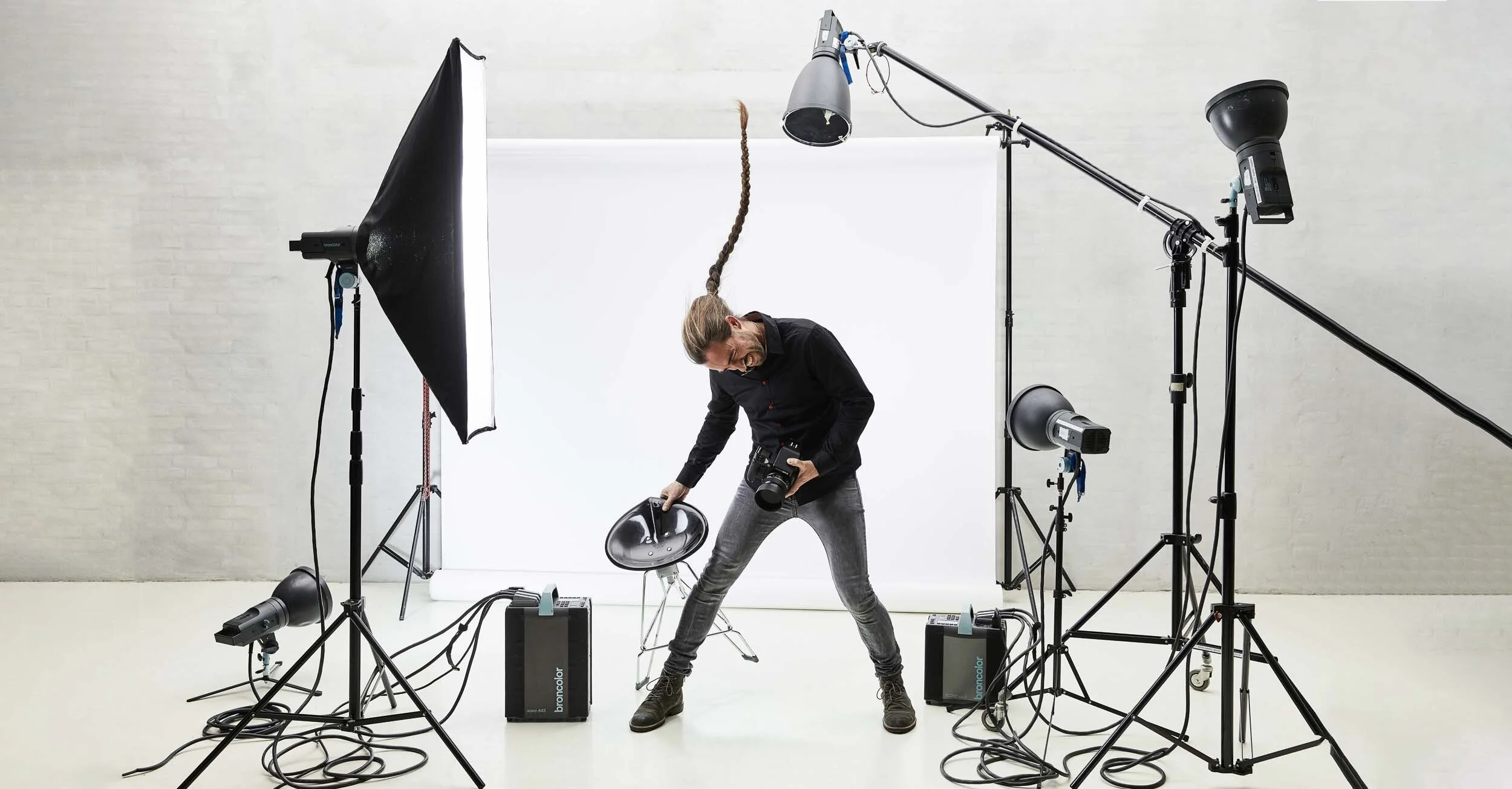
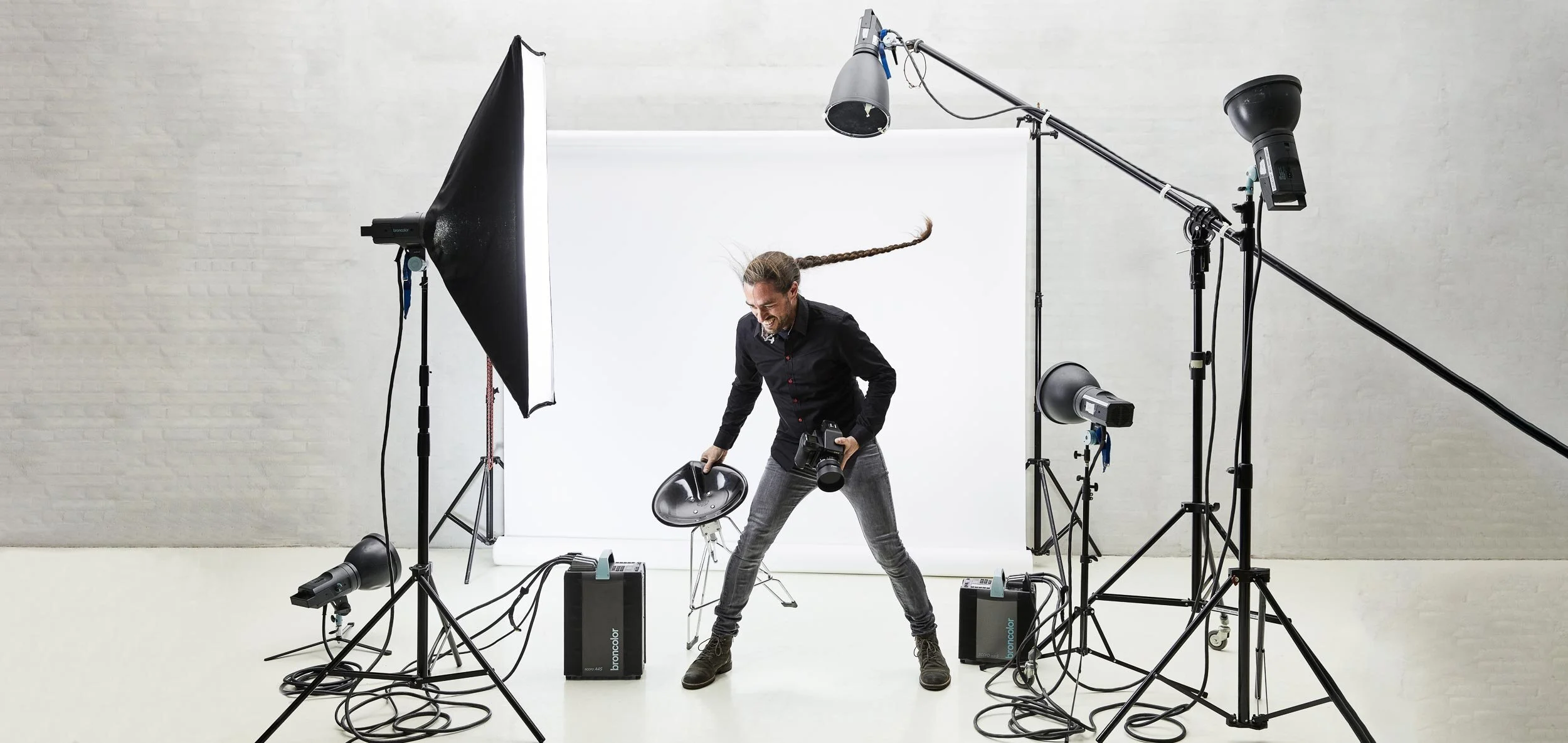
“Søren Gammelmark? Who is Søren Gammelmark? Oh, you mean the dude with the long hair?” He laughs heartily and as his head rolls back to let his laughter escape his throat, his pony tail literally touches the floor. This is Søren Gammelmark, in his own words; his humorous, ironic, and strangely fitting words.
Søren Gammelmark is without doubt one of Denmark’s best and most celebrated food photographers. He has worked with the likes of Rasmus Kofoed, Ramus Munk and living legend Jens Peter Kolbeck. He has taken photos for numerous cookbooks and culinary magazines, including Der Feinschmecker. Yet, despite his vast body of work and uniquely rock n roll appearance, few know of the modest man behind the camera whose hair is as long as his career, and whose work is as easily recognizable as his unique appearance.
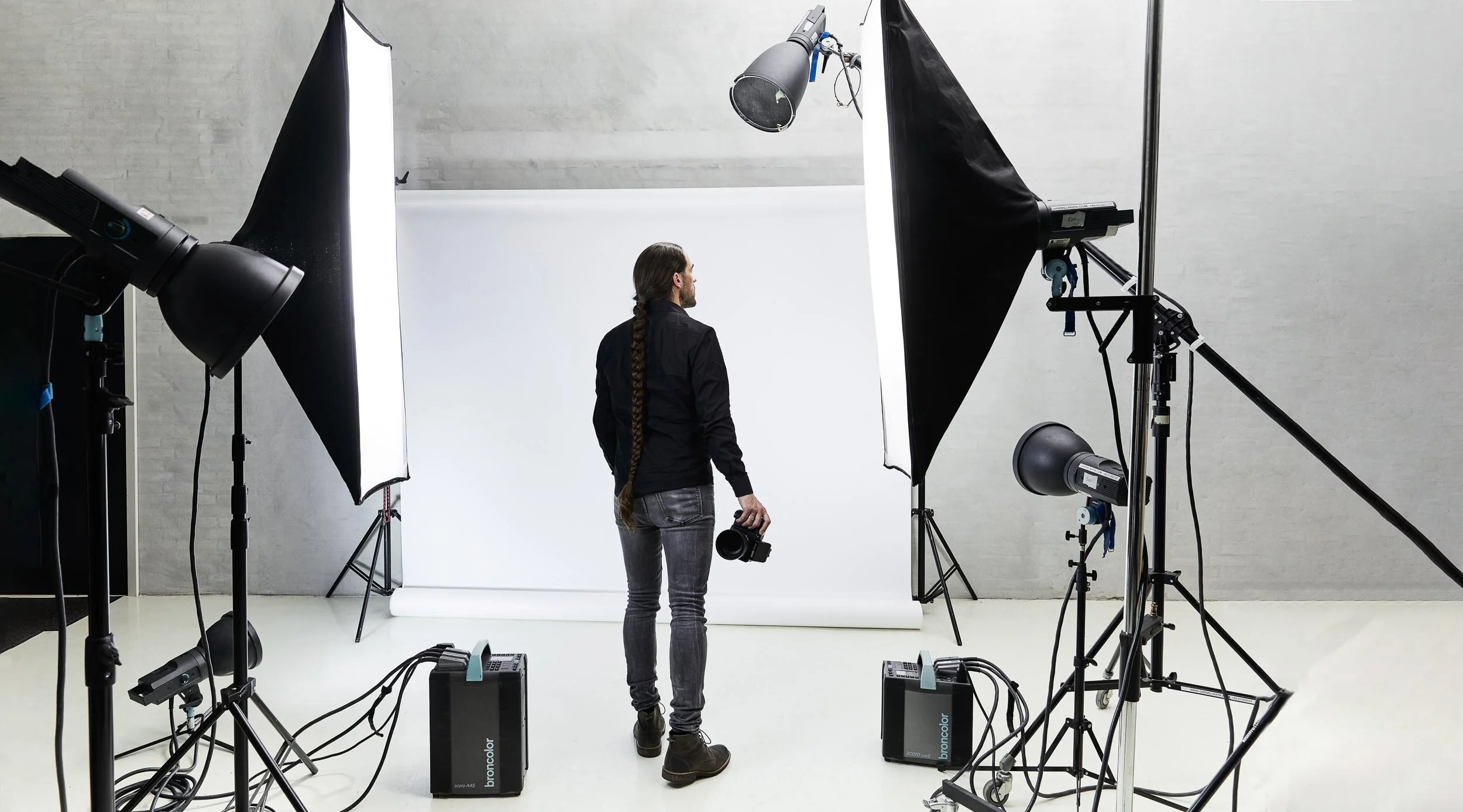
Yeswefood.com joined the self-professed introvert and geek for a day of brunching, talking and shooting photos in his studio on the outskirts of Aarhus, Denmark. And we listened as the man who rarely does much talking slowly opened up: About obsessing with chefs and photography. About improving his skills. About his favorite moments, war stories and lessons learned from a busy life behind the camera. And much, much more.
Double-click to edit...
Søren Gammelmark On becoming a food photographer
It is ironic, perhaps, that working in photography was never part of the plan for Denmark’s perhaps most celebrated food photographer. “My childhood dream was to become a fighter pilot,” Søren explains. “I wanted to fly F15 jets. I spent my early school years constantly practicing my fine motoric skills. I then discovered I was near-sighted and would obviously have to find something else to do,” he laughs solemnly before continuing, “It seemed an obvious second choice at the time. My father was a technical manager at a local newspaper and strongly discouraged my brother and I from ever having anything to do with the business. So, what do you do? You get into the business!”
“I initially wanted to become a press photographer,” smiles the man whose iconic hair and attire shows a life-long dedication to hard rock and metal. “That way you could get a press pass and get closer to the stage.”
This plan, too, failed for the would-be photographer - in the most beautiful of ways - when an internship opened a door into a new world. The world of gastronomy. “It would be a shame to say that I had much of a gastronomic upbringing, he admits, “but I landed an internship with a food photographer by chance and it quickly showed me what I wanted to do. What I loved to do.”
“In the beginning of an internship you basically just lug around gear,” he recalls, but still it was during one of these early shoots that his passion was kindled. “We were shooting at Molskroen. The food was so elaborate, so different. We had sweetbreads for lunch, I recall. I had never had sweetbread before and I was blown away. I was immediately obsessed with the creativity, talent and dedication of chefs.”
Søren Gammelmark On work ethics
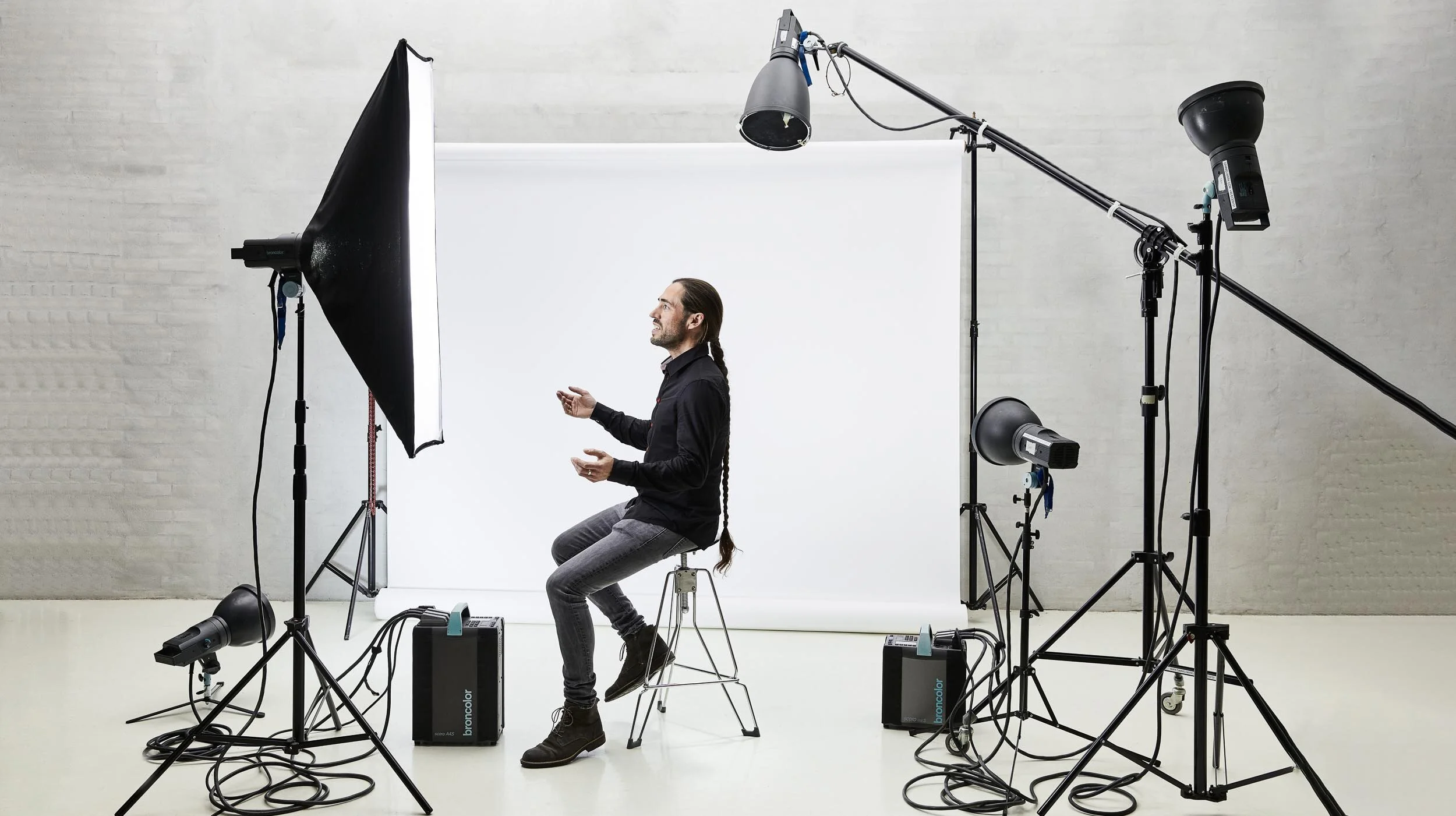
Spending a day with a man so generous with his time and attention to detail in his stories, you gradually understand exactly what sparked his obsession with chefs. That his obsession is largely fueled by respect for personal traits that mirror his own: dedication, constant practice and hard work. Watching the veteran of the trade effortlessly gliding around the set, taking perfect pictures, his job seems deceptively easy. Almost second nature. But it is in listening to him talk about his work ethics that you grow appreciative of how demanding his job truly is. Just like the job of a top chef.
“My job is to elevate every chef I work with,” Søren Gammelmark explains. “To make their work shine in its own unique way. And every chef is unique. I learned quickly from working with Rasmus Kofoed, for example, that some chefs know exactly how they want their food presented.”
“He basically yelled at me for changing the viewing angle a few degrees on one of his dishes,” laughs Søren, “but once you have seen Rasmus work. Seen him observe his creations critically. Seen him re-plate again and again. Then you understand. Precision and attention to detail is incredibly important to Rasmus Kofoed. When working with the likes of him, I end up basically only offering input on lighting and other technicalities. Other chefs are a little more ‘here are a pair of tweezers, you fix it the way you want it to look!’ No two days are really the same and that is the beauty of what I do. My job is, quite simply, to represent a chef’s work and the essence of his (or her, he emphasizes) character in the best possible light.”
And perfection, he admits, does not come easy: “My work is never just good enough,” he stresses with surprising intensity. “If I can deliver more than my clients expect, then I am essentially satisfied. But I can always do better And I always want to do better than expected.” “It is probably not the healthiest of work ethics,” he laughs as he continues, “but it is what keeps me performing, improving and learning.”
It is this dedication and work ethics that have helped the modest and dedicated photographer work with some of the biggest talents in the business. But it is his fascination with individuality and expression that keeps him from naming favorites to work wirg. “It is impossible, really. For every great collaboration I mention, there is one that I forget to mention. There are so many great chefs out there. In their own various ways. It is impossible to name just one or even a handful. Just like it is hard for me to name my favorite food photo. I have photographed some extravagant and elaborate dishes in my time. And I have photographed a perfectly styled hot dog which to this day is one of my personal favorites. It is easier to take pictures of Michelin food than of a beef stew, but in the end. It is all about styling, framing, angles, composition and creativity.”
Søren Gammelmark’s favorite war stories from a life on the road
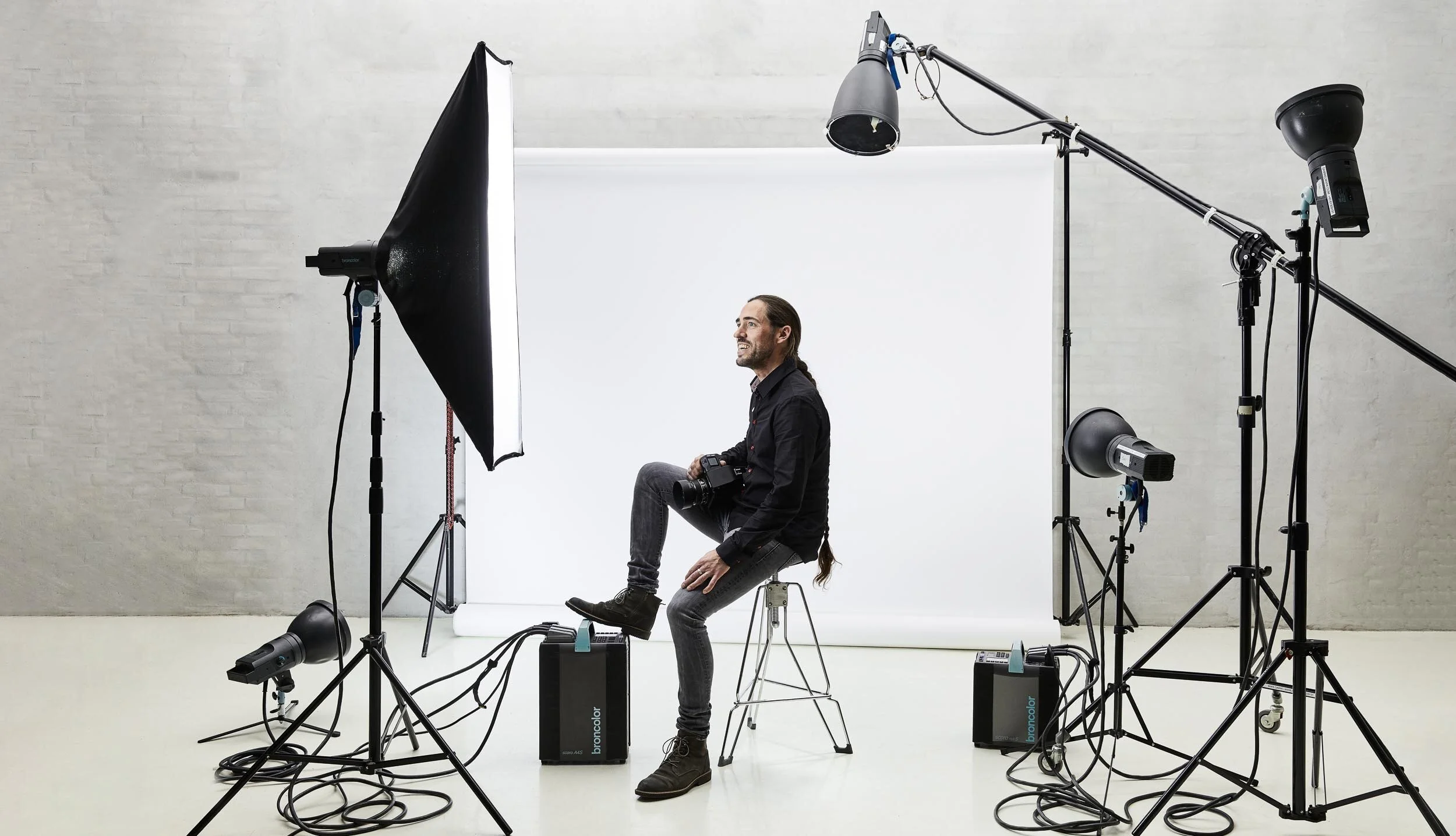
While he is not one to name favorites, it is a bit easier to get the diplomatic photographer talking about memorable and crazy experiences from his 20+ year-long career. And while there are indeed many memories, a caffeine-loaded bull run through Madrid takes the prize as the most defining of Søren Gammelmark’s determined and relentlessly overachieving career.
“One time, I was doing a montage for a Danish gastronomic magazine. I had five days in Madrid to shoot photos at 25 restaurants. Without help or preset arrangements from the publisher. I only had names and approximate addresses to go by and no one knew I was coming. All I could do was sit down with Google and Facebook and make a plan. I contacted all the restaurants politely beforehand and one even replied back!”
“Fine, I thought, I’ll have to hit two restaurants for lunch service and two for dinner. Every day. I then plotted them onto a map of Madrid and figured out the optimum route. Pictures of the city, I had to somehow shoot while running from restaurant to restaurant,” he reasoned.
I am good at what I do, I feel confident to say. But I am good because I take time and I practice every damn day.
“The perfectionist in me dislikes working without a plan but what else could I do? I would run from place to place, sit down, order, snap a few pictures and rush on. I am polite, of course, so I also ate the food that was served. One time, I made the mistake of saying I was shooting pictures for a magazine. ‘Oooooh,’ they replied and proceeded to school me on classic European comfort food. There must have been food for 3-4 people and I ate as much as I possibly could. I then soldiered on, sweating profusely, heart pounding, with another three restaurants to go that day.”
“My body was heading into a fit of shock,” he recalls vividly with a grin on his face. “All my energy went into digesting the first lunch of the day. But I had to move on, so I staggered by a pharmacy to pick up and down some caffeine pills to keep me moving. As the sun finally set on my working day, I made myself a Gin Tonic and collapsed in a fetal position on my bed, waiting for the caffeine to leave my system so I could get some rest. Then at 5 AM the next morning, my alarm went off. I had to shoot pictures of the Madrid sunrise after all. It was quite an amusing experience in retrospect.” he laughs. “After about a month.”
But I had to move on, so I staggered by a pharmacy to pick up and down some caffeine pills to keep me moving.
“It was an interesting experience, but was I happy with the results,” he muses on. “Not really! I always over-pack and I always over-deliver. Being thrown a list of 25 loosely defined experiences and being told to make as many of them as you can. Of course I’m going to try to make them all. Even if it was not expected of me. That is the sort of person I am. And then afterwards I end up disappointed with myself because I know that with more time and better planning, I could have done better.”
“But that is the thing about my job. It is a constant battle to improve - and a great time investment. I am good at what I do, I feel confident to say,” he nods. “But I am good because I take time and I practice every damn day.”
“People are often envious,” he continues, echoing many peers in the business. “They think it is all a load of fun with all the food, the traveling and the experiences. And indeed it is. I love my job, otherwise I would do something else. But it is a lot of work. I am not complaining here. But I grow sick of hearing it is all fun and games. There are also relentless travel schedules and a lot of running around for 15 kilometers a day with 25 kilos of equipment on your back.”
“People never seem to notice that aspect,” he smiles wryly, “and they never notice the strain it puts on your family life. I am blessed with a wonderful wife who puts up with my schedule, takes care of our kids when I am not able to and accepts that some days of the year, I will come home hours after their bedtime, crawl into bed, barely be around to say good morning at breakfast and then rush off again on another job. I love my job, and I love my family. Without this level of support, I could never do what I do.”
On such a grateful note ends his fast-paced and enthusiastic story in a suddenly soft spoken manner with an earnest, grateful look on his face and one last plea: “Can we end on a note saying that I am grateful for my misses at home and her support?”
Double-click to edit...
Don’t try this at home... But if you do, remember this
Having now heard the untold tales of great joys and crowning achievements but also of hardships, sacrifices and dedication, should someone be inclined to follow the lead… Where exactly does one start? Or put more simply: What would be the best camera for the job for a would-be photographer? Søren’s answer to our final question would be as shockingly simple as his backstory is complicated:
“The best camera for an aspiring photographer? It is quite simple, really. Pick one that fits well in your hands! Go to a real life, physical store and pick up a lot of cameras. Get a feel for them and pick the one that fits best in your hands. It does not matter much if it says Nikon, Canon, Sony or anything else. Technology is great today. On all major brands and models. What matters is that it feels good in your hands. The best camera is the camera you use. The one you experiment with and play around with. If it feels good in your hands, chances are you will use it. And get better at using it.”
