
Double-click to edit...
Slowburn brewing
How anarchy, activism and cross-border love helped craft a beer for the people
PUBLISHED AUGUST 2021 ı PHOTO: Bahadir Badi Berber
Would you believe that one of Denmark’s most celebrated microbreweries has its roots in underground activities in Italy? That it took a few lies to even get the ball rolling? And that none of what you are about to read in this success story of love, dedication and alternative capitalist ideas would have ever happened, had a young Danish girl not taken her dad on a trip to Milan?
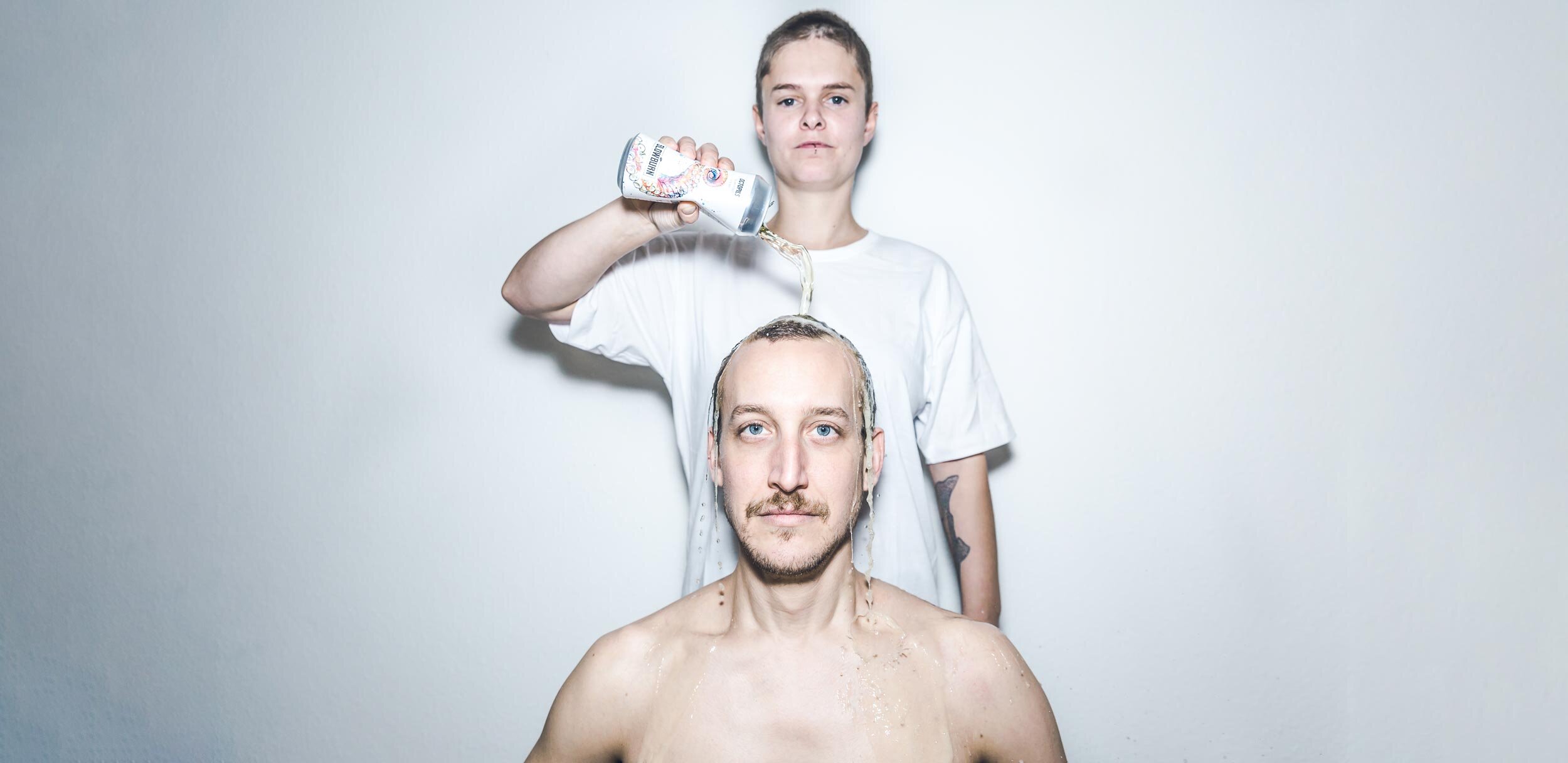
“... And that was the first time I brewed beer. It was kinda illegal, of course, brewing beer at home, with the intent of selling it at our political rallies, but we were an anarchist collective and didn’t really give a fuck about that! We just looked at each other and went ‘yeah, sure, sounds like a great idea, why not?’” Brewmaster and one half of Slowburn Craft Brewing Co-op, Stefano Erreni, howls with laughter as he recalls his first day as a brewer.
While brewing beer at home was never illegal, doing so and selling it for profit was a bit of an issue - in his native Italy, or anywhere around the world for that matter. But as he was doing it to support the rallies and political activities of the anarchist collective he was part of at the time, he did not care much for rules. In fact, not sticking to rules and best practices seems almost a defining characteristic for the award-winning brewmaster who has certainly not always done things by the book.
Brewing was not the first career choice of young, beer-loving Stefano who was at the time studying for his Master’s degree in molecular biotechnology at the University of Milan. When not engaged in political activities or sipping craft beer at his local brew-pub, that is. And it was actually his first crush with homebrewing that pulled his soul from the halls of academia into the world of professional brewing
“During my first day of brewing, I just freaked out. I could smell the ingredients. It was the first time I smelled hops. Connecting the smells of the raw materials with the smells of my favorite beers I drank at my favorite brew pub. That was mind-blowing! That was when I realized, at the end of the day, brewing beer is a biotechnological process. You use the fundamentals of biology to make a product that is more than something you just drink. You are playing with ingredients and microorganisms to transform something into something more. And that is when I had my epiphany: If I fail. If I realize I don’t want to work in biotech, this is a great Plan B.”
“But of course,” he smirks, “it turned out to be a Plan A. It does not pay to be a scientist in Italy. After a year and a half of trying, I knew I had to try something else. So I send out resumes to a number of breweries. And one of them really dug the combination of biotechnology and an interest in brewing.”
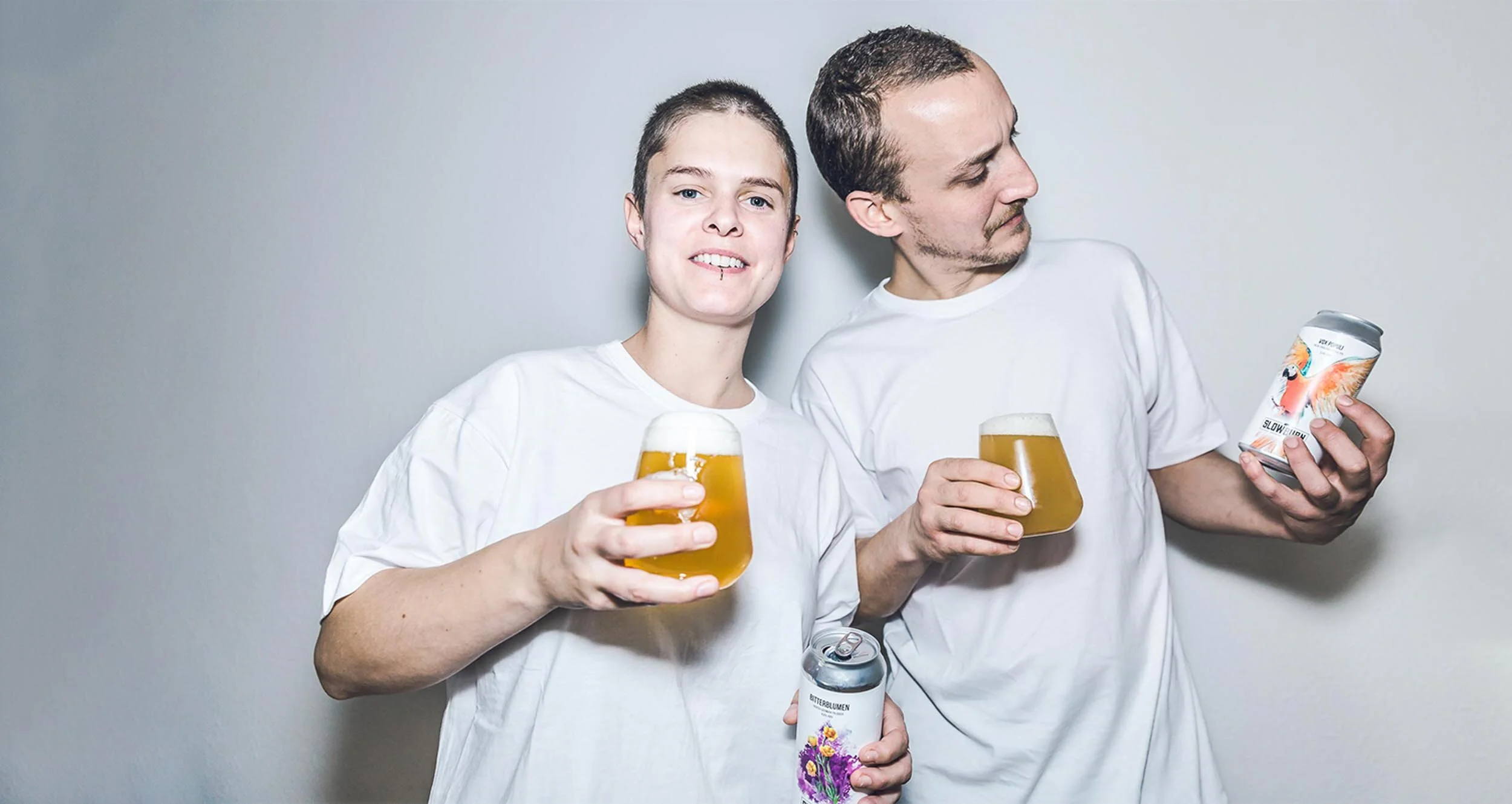
“I come from the chef world,” interjects his better half and business partner Amalie Krage, “my mom was a chef. I worked in the restaurant business and traveled a lot. I became completely hooked on the fermentation process during a stay in Northern California. I became self-taught in the word of fermentation, making kombucha and sauerkraut. I was also interested in beer and wine and started to learn more. I couldn’t get enough. I was homebrewing a little bit. But not very well,” she grins.
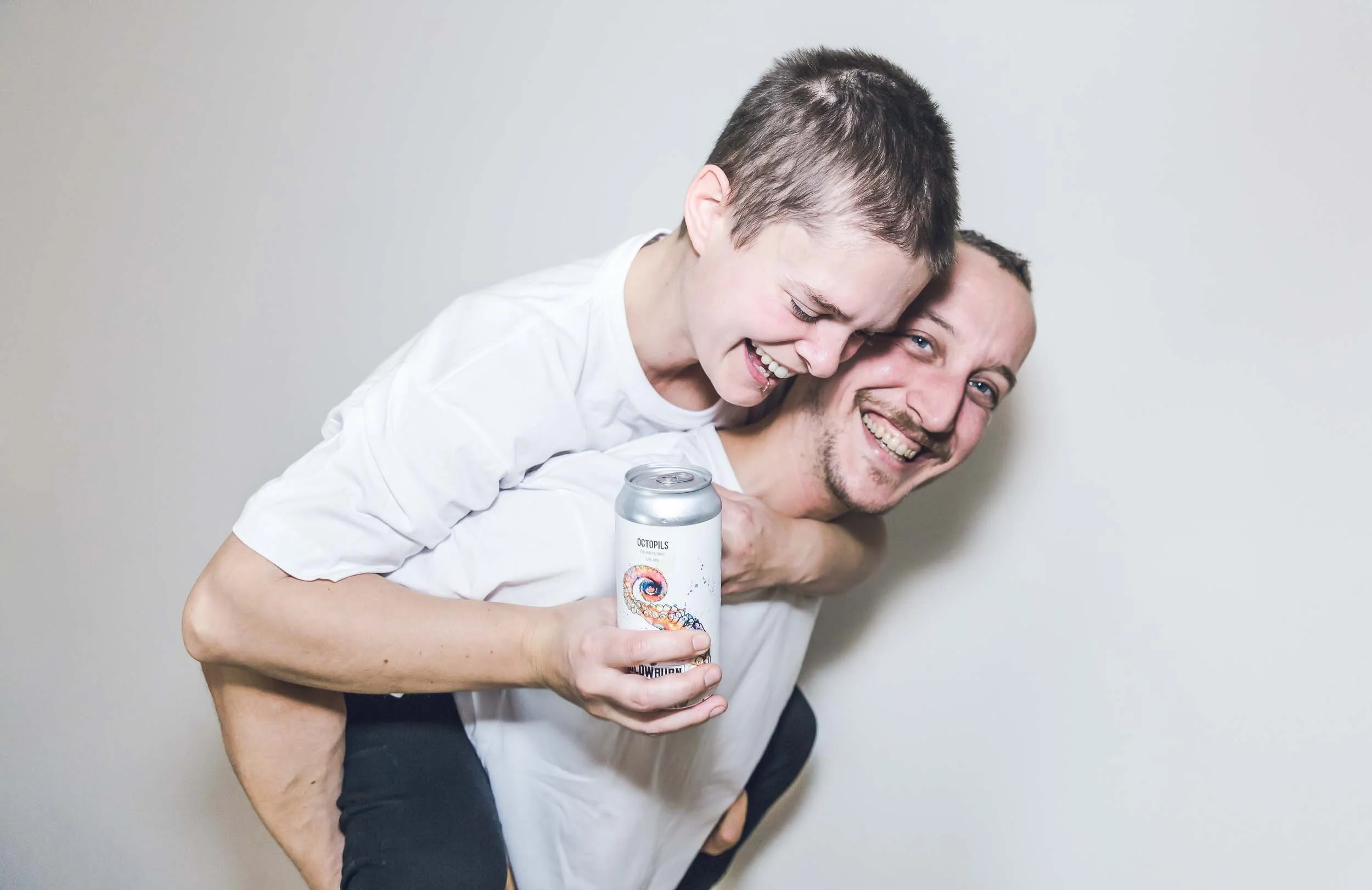
“I met Stefano when I was on holiday in Milan with my dad. We just instinctively started talking about beer, and, uh, I may have told him I was a brewer,” she laughs whole-heartedly. “I was trying to impress him and I totally failed when I realized he, too, was a brewer. And then again, maybe not. We talked the whole night and the next days were all about food and beer and tours around Milano. And we have been together ever since.”
“He stayed in Italy, I went back to Copenhagen and worked at restaurants, beer shops, bars and even started imports. It took him one year to move here,” she continues. “He started working in a yeast lab, making yeast for other brewers. We were both bartending and daydreaming. Dreaming of starting our own beer brewing business. The thing is, we were not even really sure what sort of business and how to start it.”
From idea to reality - Founding Slowburn Brewing Co-op
The thing is, starting a brewing business is not something you just do. First you need an idea and from then on it is a long, complicated and expensive bureaucratic process. For Amalie and Stefano, this process first involved finding out what sort of brewing business they wanted to start. Numerous ideas were thrown around and they nearly ended up moving to Bornholm to start a farm brewery. Yet their plans eventually turned out a little more small-scale and local, and the concept of Slowburn Brewing Co-op was born in a garage in Hvidovre.
“We started thinking about fundraising. How would we collect the million or so needed? Should we get an investor? It just did not seem right to us,” Amalie explains. “That is how the idea of a brewing cooperative came about. We were inspired by my sister who works in a cooperative. Actually in the design company that does our labels.
On the other hand, craft brewers are on a race towards crazy: Fried chicken, donuts, marshmallows, my grandmother’s fresh cut hair and other super crazy flavor notes.
The co-op principle reflected some of Stefano’s values from the political world,” she reiterates. “We did not want an investor. We wanted to start the brewery as a group of equals with equal say. We wanted to be honest with ourselves. It took a lot of time to raise the money in ethical ways. Instead of going to the bank, we pitched the idea of small loans to friends and family. It made us more comfortable and it piled up enough money to eventually get us started. If we had failed, they would have lost the money. But they trusted us not to fail.”
Thoughts on brewing, on beer and on the craft beer scene
Fail they most certainly did not. The littlest of breweries that started two years ago with DKK 1,000,000 in funding has now gone from a lineup of 6 beers to a total of 32. Customers now include Restaurant Alchemist, Restaurant Substans in Aarhus and Noma - to name but a few. But the success and the clientele has not gone to their heads. “We also supply to pizza joints and the Average Joe” says Amalie and quickly adds that while the aim is certainly to expand the business somewhat, it is with the simple goal of not always selling out new batches too quickly and to be able to invest in better machinery and more hands on deck as to lighten the workload. For the young couple, the brewing business seems not so much about expanding and turning a profit. For them, it seems about brewing the best possible beer for the people in the most ethical of ways.
“We started Slowburn because we love to be in this business and to brew beer, but also to make a statement about what we feel beer should be,” continues Amalie. ”It is an ever-evolving landscape, the craft beer scene. We wanted to pitch in with what we thought we could do well.”
“The first year I was in Denmark, I honestly did not have the greatest time,” admits Stefano in response. “The scene in Italy was much more developed. Things have changed dramatically in the last five years. When I came, most breweries were contract brewing; essentially giving away their recipe and having someone else make it. But beer is not just a recipe. The recipe is maybe 30-40 percent. The rest is in the process: brewing, storage, packaging and transportation. With contract brewing you do not have control over these factors.”
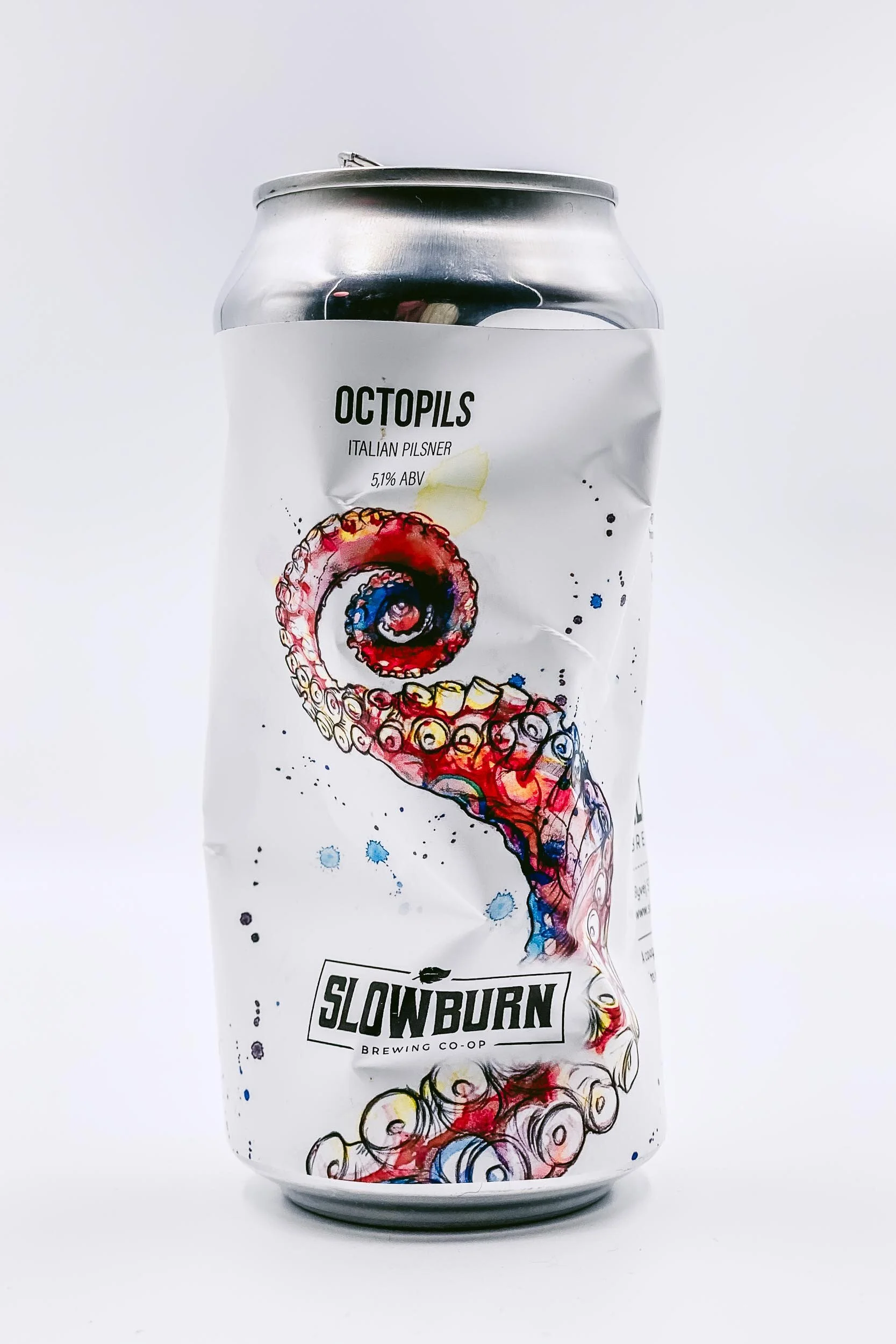
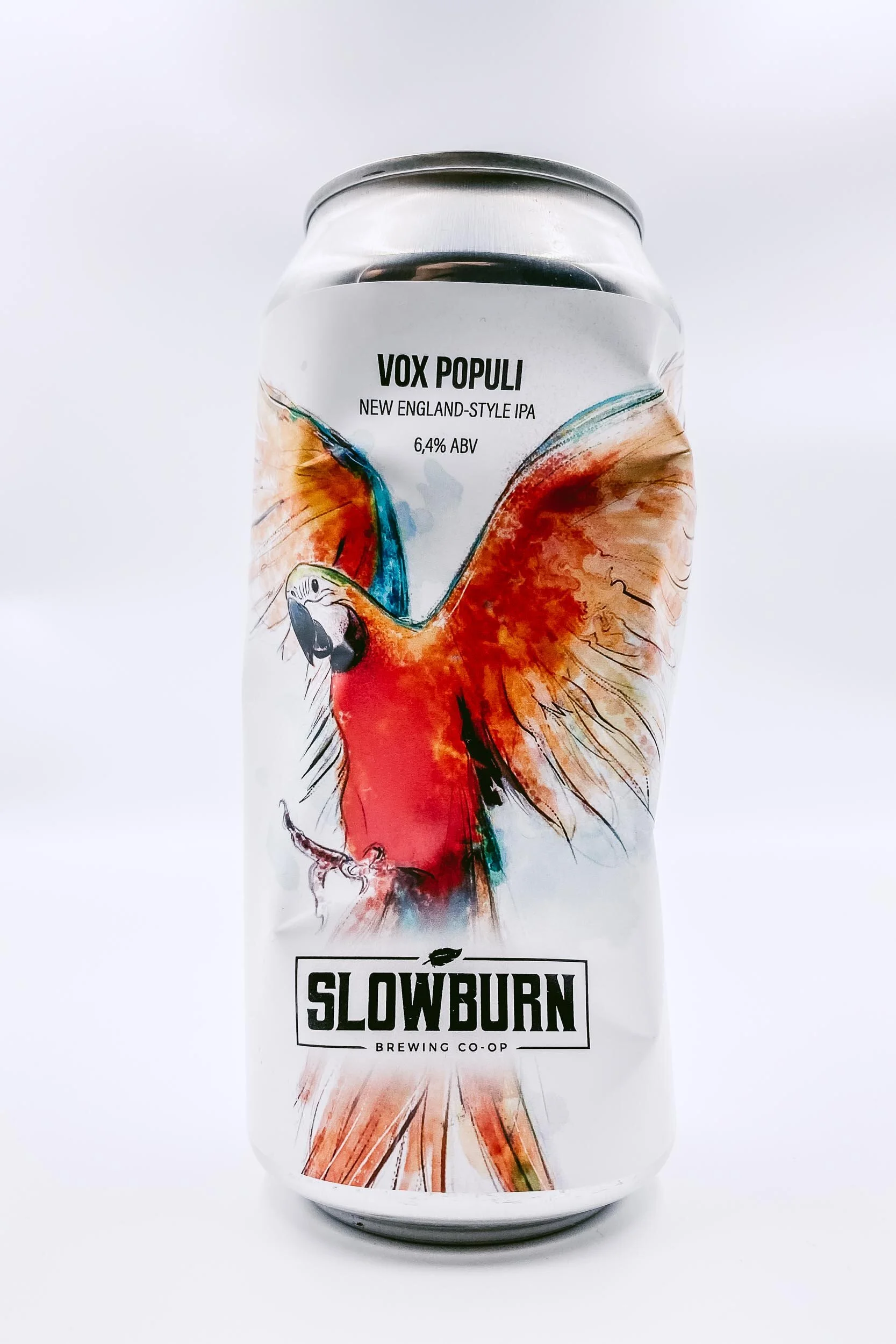
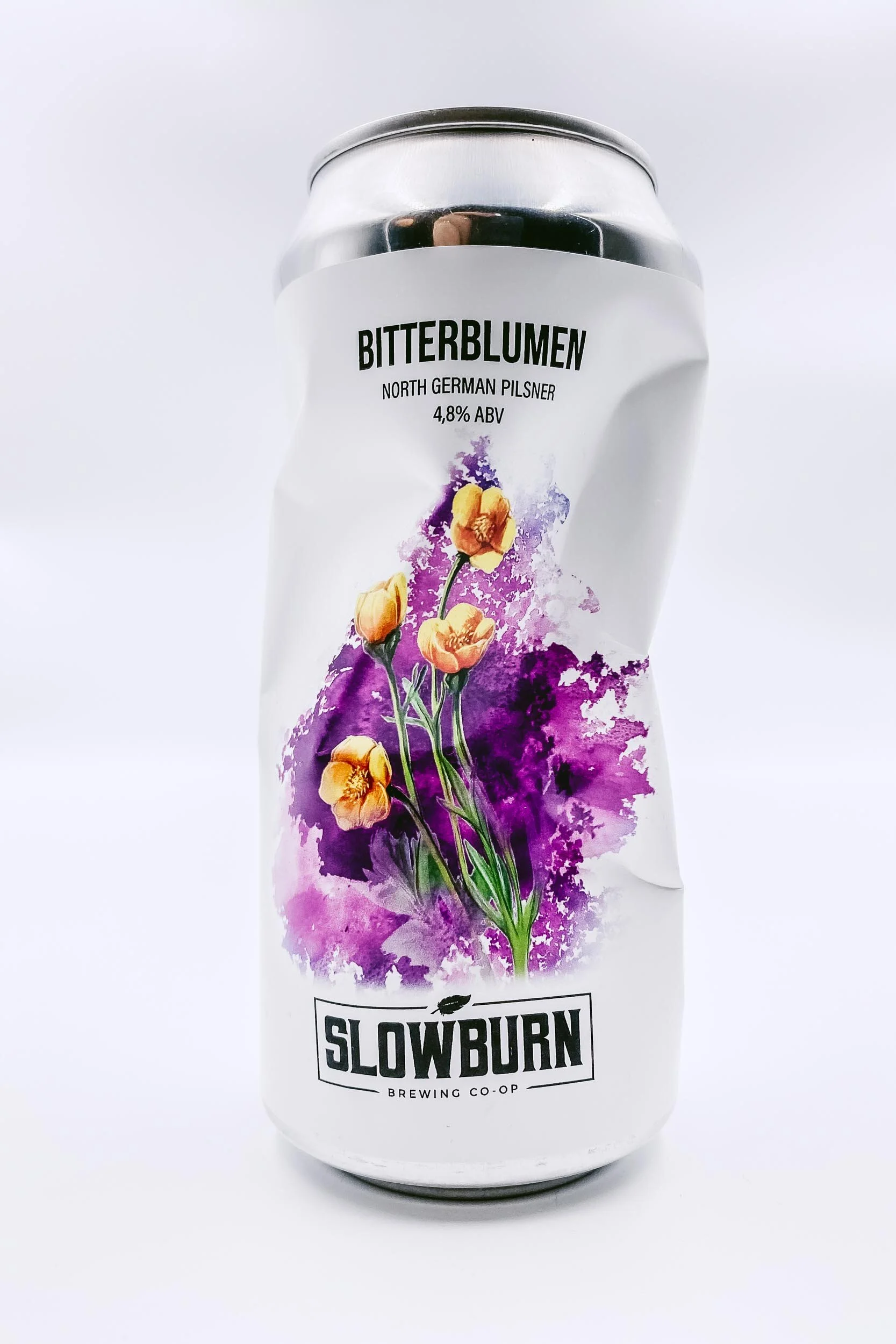
“To me, quality is of the utmost importance. To me, being a craft brewer, if you are not aiming for the best possible quality, you should not make beer. You should make something else,” he says, and Amalie continues: “We want to create an experience of flavor, but we also want consistency in quality. As a customer, you should be able to count on the same high standard of quality in every batch of our Vox Populi or Octopils. A product made in such an involved process with so many variables could change over time if we did not care about quality and attention to detail. We want consistent quality and we want to create something that is approachable. Others try to provoke or shock you. We don’t want to blow your mind with crazy flavors. We want a product that is balanced and drinks easily, something you would want to drink more than one of.”
“This is the difference between the big beer industry and the craft,” interrupts Stefano, “some bring it to a level of war; ‘ah fuck the industry!’ To us it is just a different mindset. The industry wants a product that is plain, that everybody will like and everybody can afford. On the other hand, craft brewers are on a race towards crazy: Fried chicken, donuts, marshmallows, my grandmother’s fresh cut hair and other super crazy flavor notes,” he laughs in a goodhearted stab at recent developments. “It is not that we do not believe that those are interesting flavors. But we are a little different. We want to make bold, surprising beers – that are still drinkable. Close to ‘normal’ beer with a little more kick.”
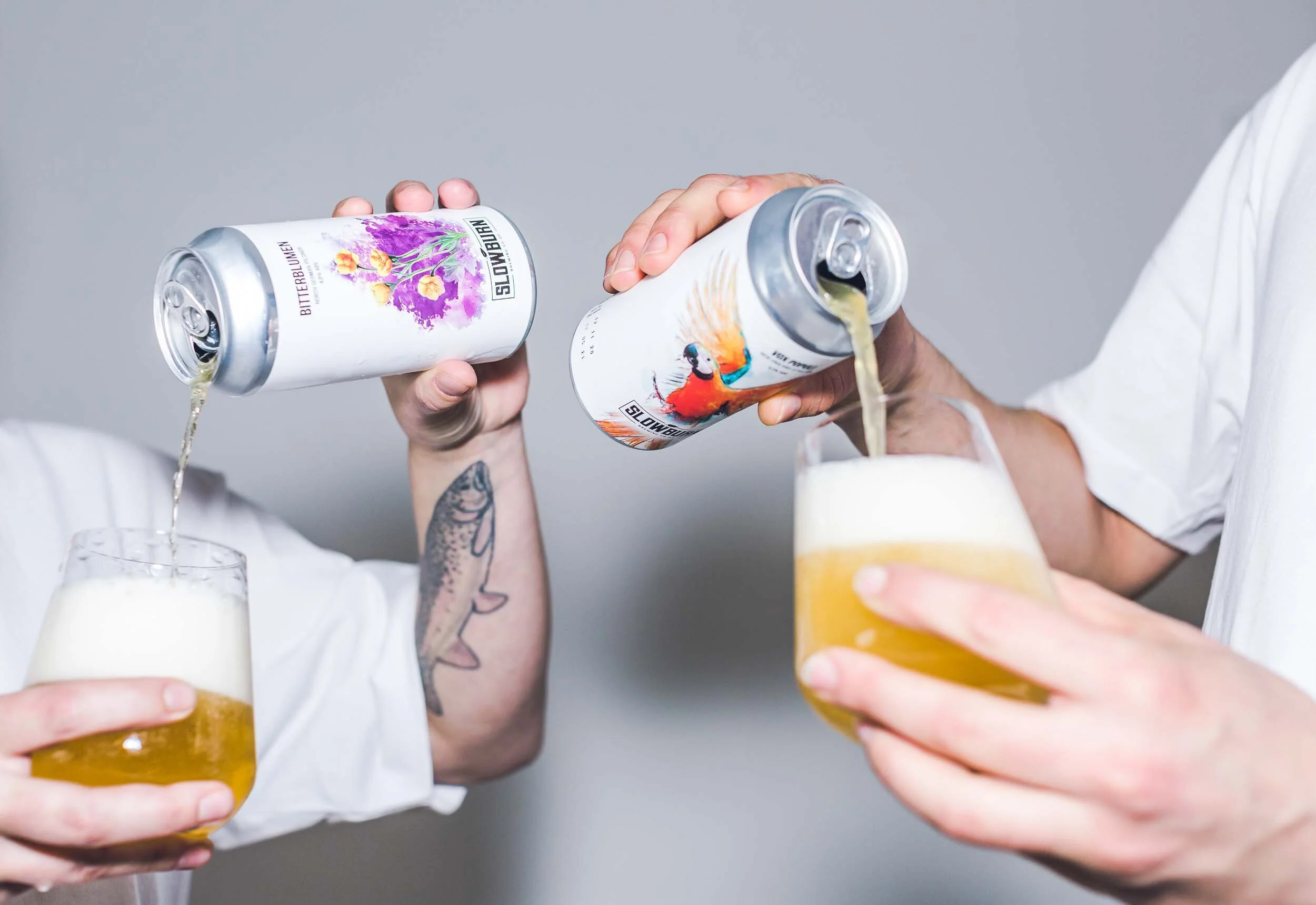
“Incidentally, this is why our New England IPA is called Vox Populis, the Voice of the People, “ Amalie finishes, “it is a beer style that everybody demands these days and it is brewed to please. To fit right within what we see as the best expression of the style.”
It seems perhaps a bit of a cocky name. Especially coming from two such humble people as Amalie and Stefano. But a fitting one at that. Looking at the current Danish beer scene, it seems as if they have indeed succeeded in creating a beer for the people. Or a number of beers for the people. Their ever increasing range is immensely popular with a restaurant industry that has to a larger extent taken to doing beer pairings over wine pairings. But perhaps more importantly so, it is popular with the people; the common beer drinkers. And this, more than anything, seems a fitting end to this unlikely tale. That the rebel anarchists turned co-op beer brewers are currently looking to expand their production, not for selfish reasons, but primarily to satisfy the demand of the people.
