
Double-click to edit...
sebastiAN jimÉnEz
“I think it was the Faroe Islands accepting me and choosing me to live here, Not the other way around.”
PUBLISHED
OCTOBER 2026 ı PHOTO: AMYJROBINSON x KLARA JACOBSON
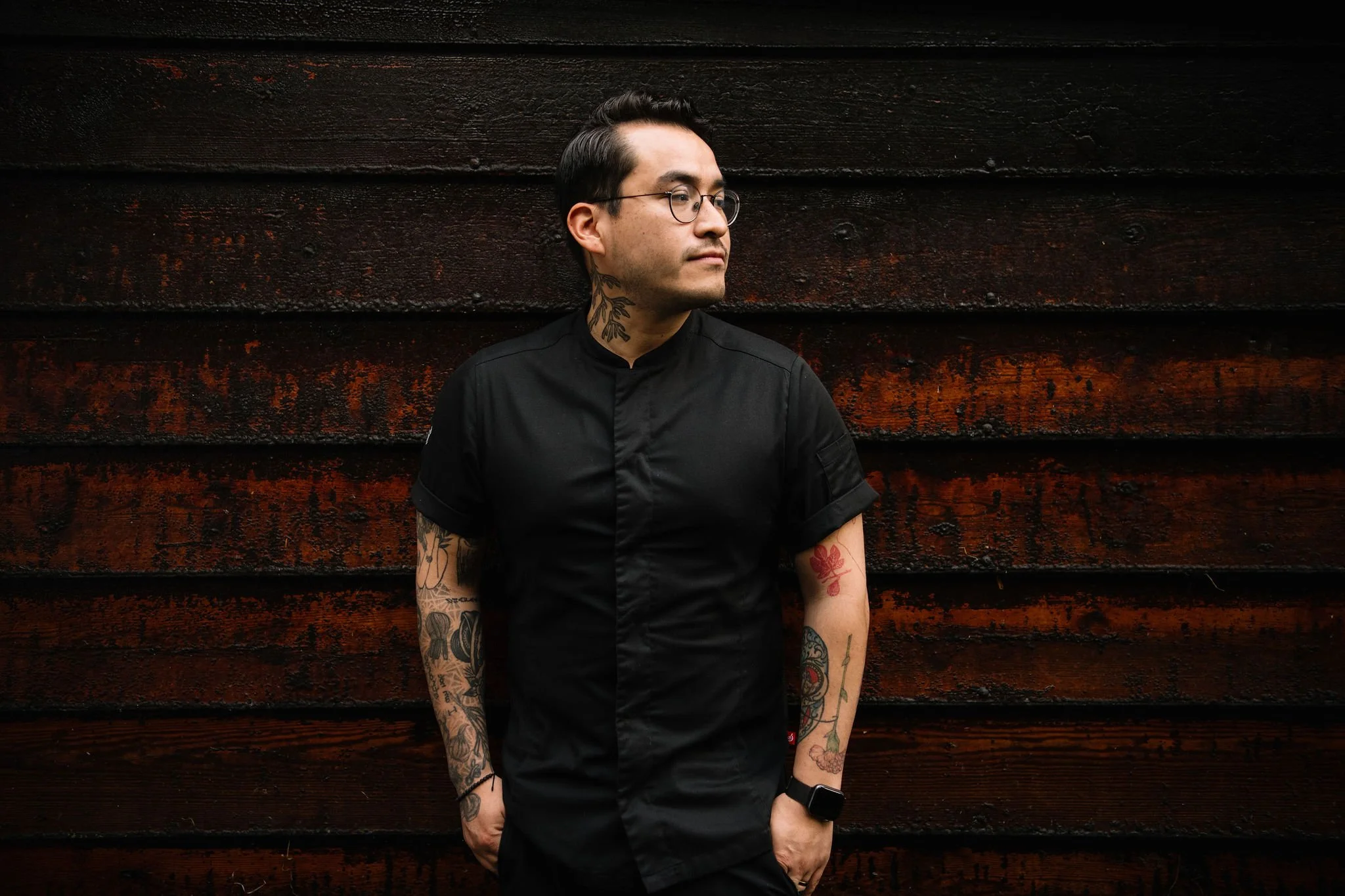
It is difficult not to be intrigued by Sebastian Jiménez. A Mexican chef who arrived in the Faroe Islands chasing a Michelin star and ended up discovering something far more complicated and perhaps far more valuable: a culinary identity of his own. Four years into his journey at Ræst, Jiménez is cooking increasingly through the landscape around him. Preserved vegetables, wild flowers, fermentation, sea produce and ingredients saved for years are replacing the abundance he grew up with. Join YesWeFood.com for a conversation with a young chef who came looking for one thing and found himself somewhere entirely different.
“I think it was the Faroe Islands accepting me and choosing me to live here,” he says. “Not the other way around.” It is a remarkably humble way for a chef to describe his own journey. Especially one who is clearly ambitious. Jiménez has been cooking since he was 17 and has worked his way through different kitchens and cultures, including Thailand, Indonesia and Dubai, absorbing techniques, ideas and different ways of approaching food along the way. Yet it was on this remote North Atlantic archipelago, surrounded by weather, wildness and an almost stubbornly local food culture, that his own voice began to emerge. When he first arrived, the plan was rather simpler. The Michelin world had brought him here. The Faroe Islands had other ideas.
The Journey Takes Shape
Jiménez was 24 and working in Dubai when he first decided he wanted to experience a Michelin-starred restaurant. KOKS had recently been awarded two stars. For a young chef who had never worked under those circumstances, it was a dream opportunity.
“I wanted to experience a Michelin-star restaurant,” he recalls. As he sits there, deep in thought, at his home away from home, Restaurant Ræst. “I had never, ever experienced working under this level.” So he came north. At first, it was the restaurant that attracted him. Then came the islands. And something unexpected happened. The place felt like home. “Being very different and completely opposite from Mexico, it felt very, very homey for me.”
It is perhaps the first contradiction in Sebastián Jiménez’s story. Why would a chef from Mexico, one of the world’s great culinary cultures, feel at home in one of the most isolated places in Europe? Maybe because home isn’t always about familiarity. Sometimes, it is about recognition. Jiménez returned to the Faroes after his first period as a stagiaire at KOKS in 2019 and eventually decided that he wanted to stay. Coming from another part of the world, making his way back was not straightforward.
In 2023, the Faroes gave him another opportunity. This time, it was Ræst. He returned for another season, now as a chef de partie, and gradually realised that the islands were becoming more than another stop on his culinary journey.This time, however, he wasn’t arriving simply as another young chef passing through. He was taking over.
Being very different and completely opposite from Mexico, it felt very, very homey for me!
Double-click to edit...
A Mexican Chef, a Faroese kitchen
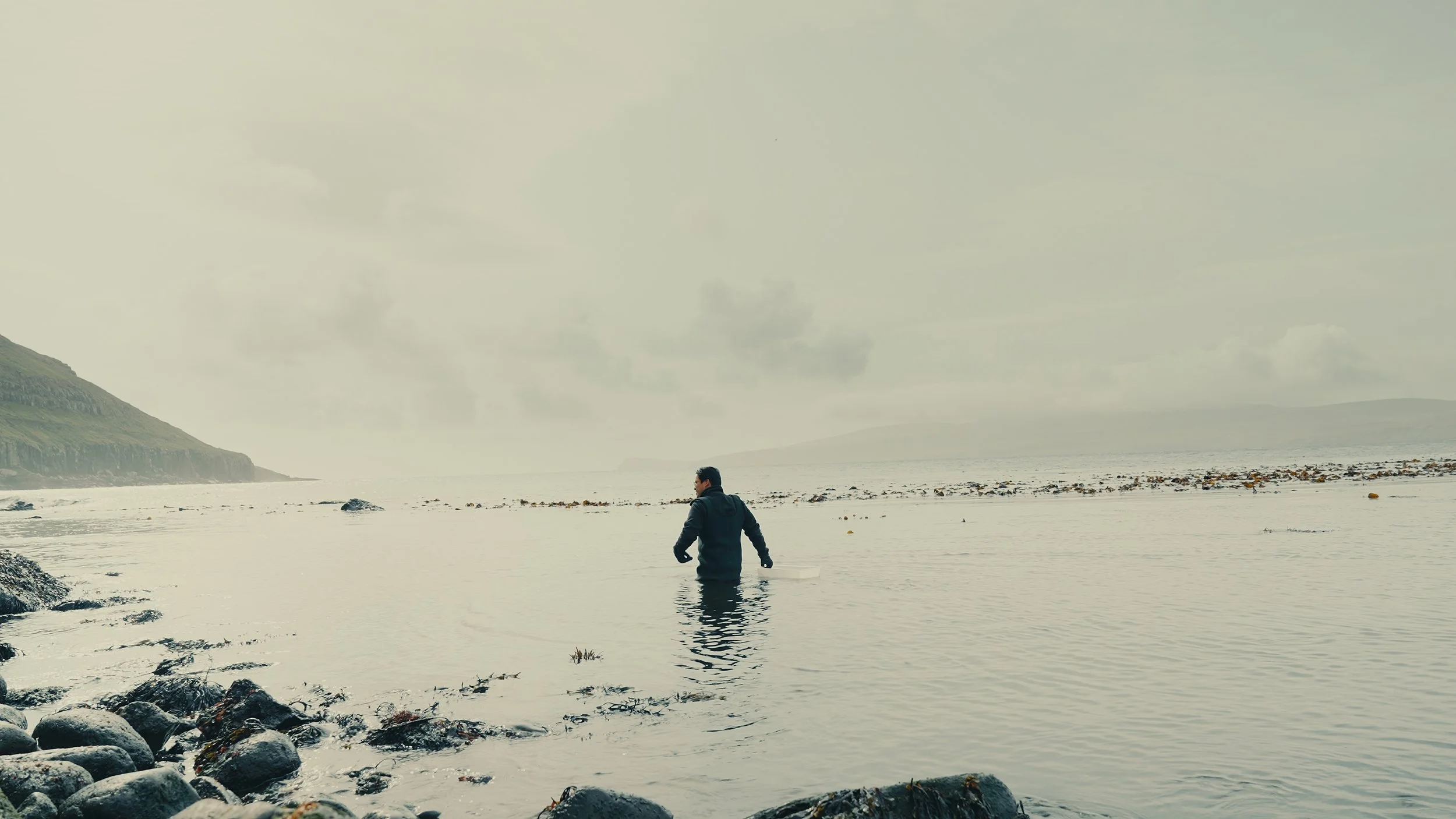
The first year was different. Jiménez admits that his cooking was more Mexican-fusion in character. He was using more ingredients from outside the islands, bringing some of the culinary language he had grown up with into this very different environment. But something began to happen. Year after year, he started looking less outward and more inward. “What the island can actually provide.” That became the question. It changed something in me. It changed me completely, he says confidently.
The Faroe Islands can seem restrictive from the outside. There are ingredients you simply cannot get. The weather dictates when boats go out. Seasons are short and unpredictable. Fermentation and preservation are not fashionable techniques imported from somewhere else; they are deeply rooted in the local food culture. For Jiménez, however, the restrictions became possibilities. “I don’t think I ever thought about that as something negative.”
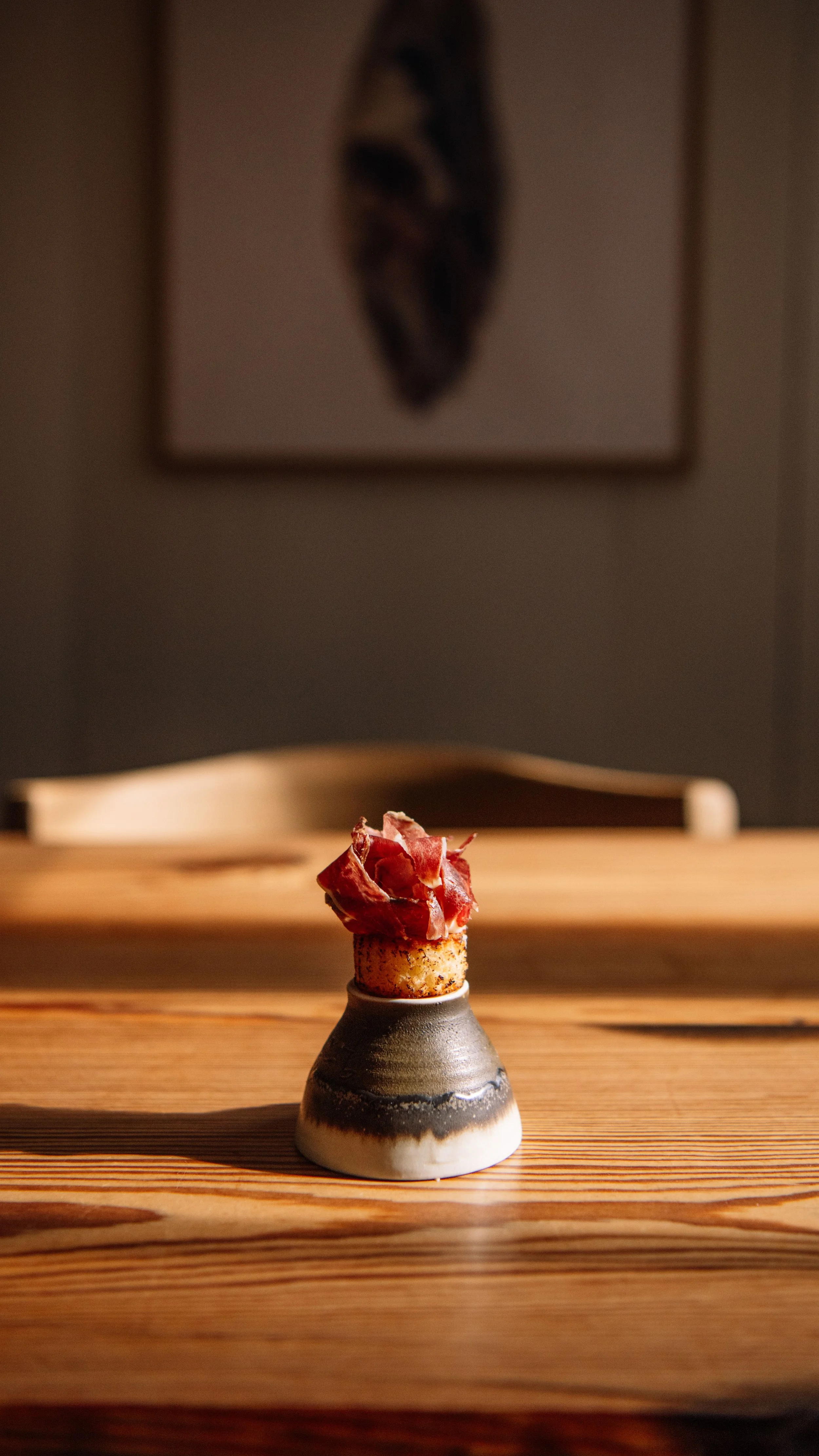
Today, he is proud to say that his menu contains no fresh vegetables. None. The vegetables, fruits, herbs and wild flowers are preserved in some way. It is an almost wonderfully strange statement in modern gastronomy, where restaurants often compete over the freshness of their produce. But this is not a restaurant interested in freshness for freshness's sake. It is interested in what happens next. And perhaps that is why his food has become increasingly interesting. Because Sebastian Jiménez is no longer simply bringing Mexico to the Faroe Islands. He is learning how to see the Faroes through Mexican eyes.
Double-click to edit...
Three years later, while developing the new menu, he went downstairs. The carrots were still there. He tasted them. They had transformed. “They taste a bit like a raspberry, almost.” Suddenly, something that had been sitting quietly in vinegar since 2023 had a place on the menu.
Today, those carrots are served with horse mussel. It is precisely the kind of dish that would have been difficult to imagine when Jiménez first arrived. And perhaps that is the point. The dish wasn't designed first. The ingredient came first. Time did some of the cooking. “I just thought, okay, let’s put them downstairs, preserve them, a bit of salt, vinegar, and that’s it.” There is a lesson in that. In Mexico, Jiménez says, where ingredients are available fresh throughout much of the year, it is easy to overlook the small details. The Faroes taught him otherwise. “Even though we don’t have a lot, we do have a lot.”
Even though we don’t have a lot, we do have a lot.
The pantry of time
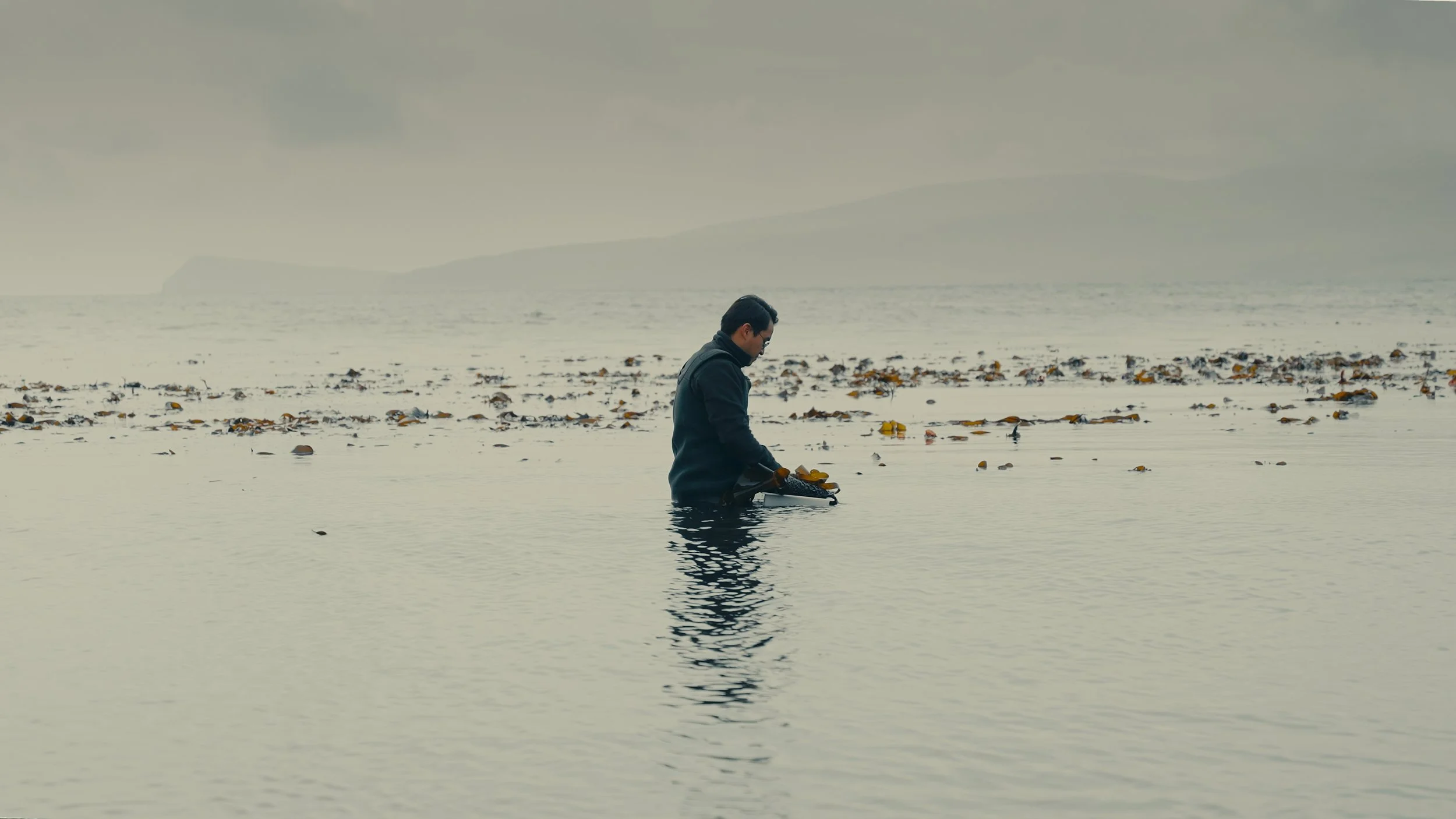
There is something almost magical about the way Jiménez talks about his walk-in cooler. Not because it contains rare or extravagant ingredients. Because it contains history, he reveals. Here, the sea could provide extraordinary amounts of food, while vegetables, herbs and fruit were constrained by climate and geography. Preservation wasn't a trend. It was survival, tradition and necessity. For Jiménez, it became a new way of thinking.
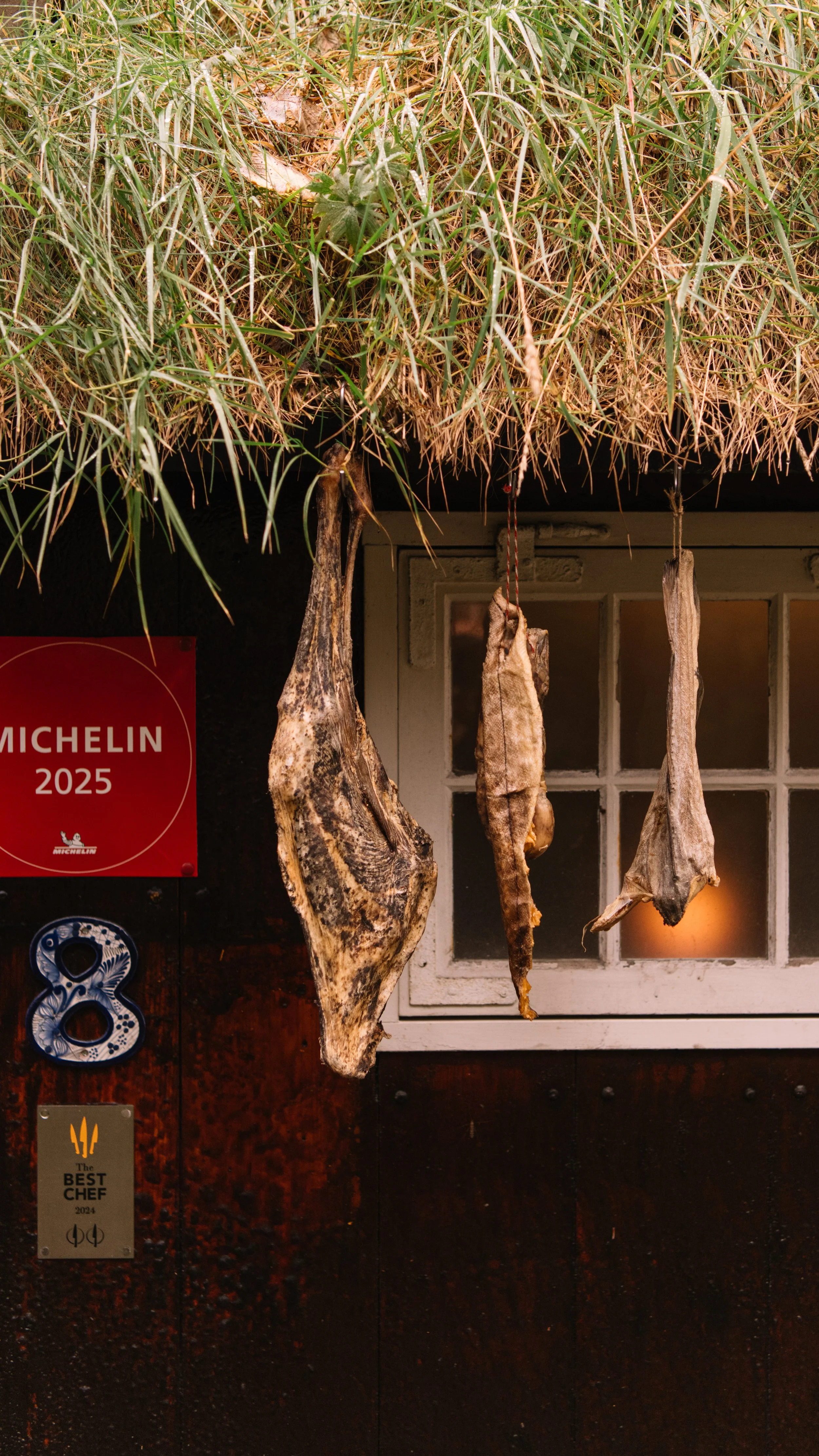
Ingredients that were collected years ago, preserved without knowing exactly when they would be used, waiting patiently for the right dish. As he explains, he gets excited. Take the carrots. In 2023, a farmer came to the restaurant with a large amount of baby carrots. They were beautiful. He smiles. They tasted wonderful. But Jiménez didn't have a dish for them. So he preserved them in elderflower vinegar. And forgot about them, at least for a while.
On the faroes, nature has the vote
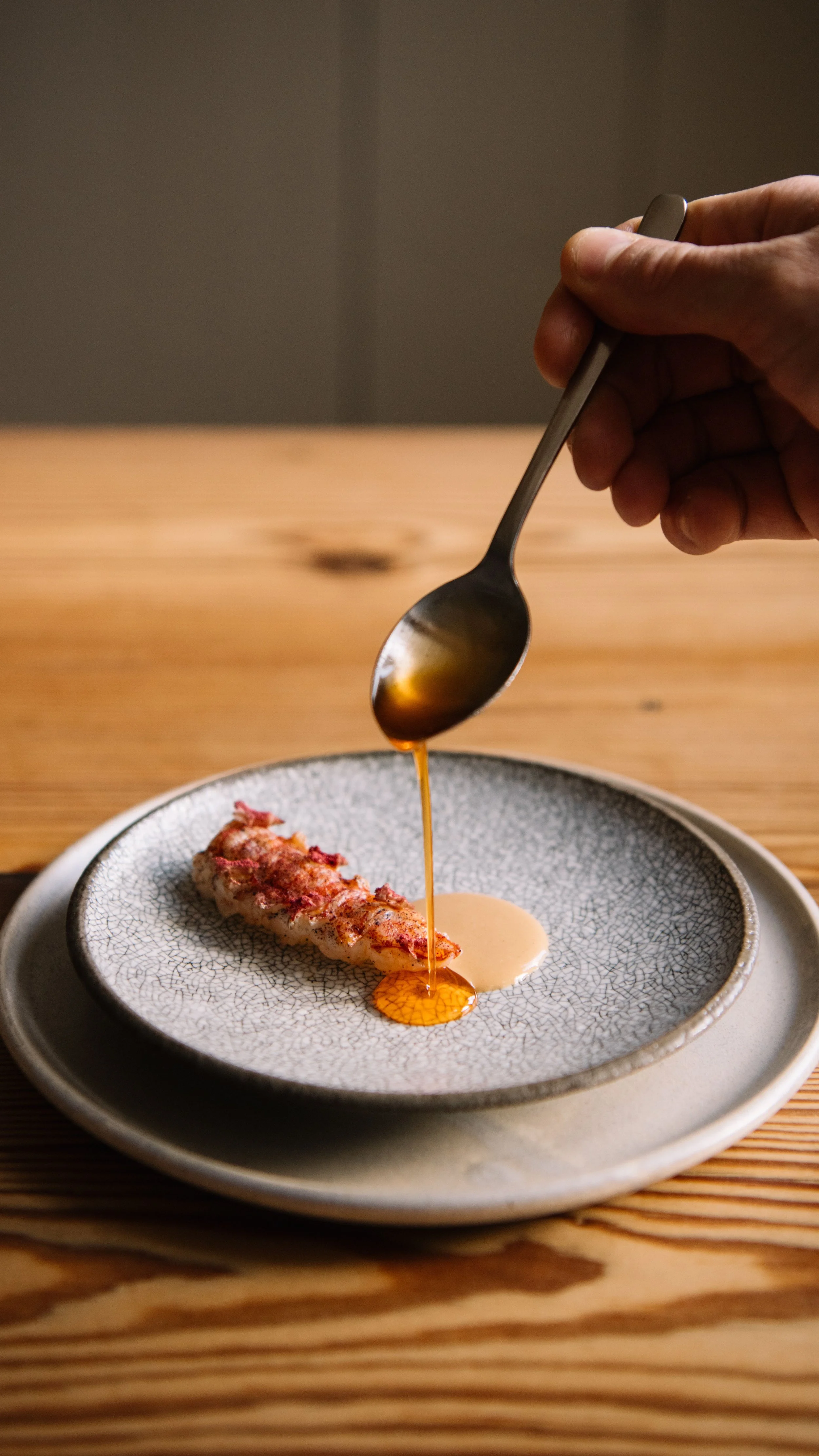
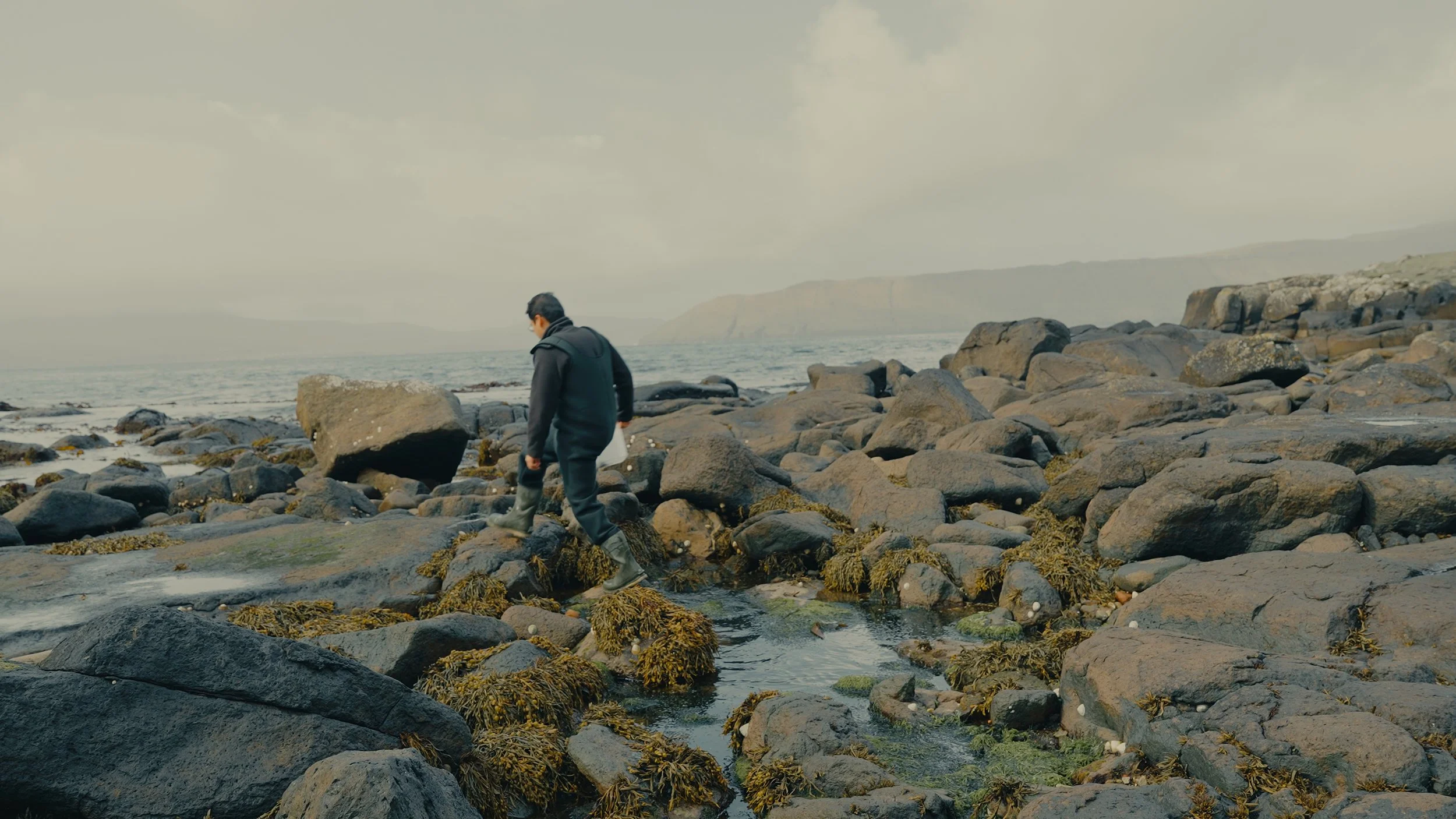
If the weather isn't right and the fishermen cannot go out, there are no langoustines. If something isn't fermented enough, it isn't ready. If a season lasts three weeks, then you have three weeks. That is it. The chef has to adapt. “It has to be a good marriage between those two sides,” Jiménez says. The creativity of the chef is essential, but so is surrendering a certain amount of control. And that may be one of the biggest changes in Jiménez himself. He has learned to listen, he smiles, and he has become much more chill.
Last year, Ræst received kale during a very short season. The leaves were treated almost like kimchi, with dried Mexican chillies. But when the leaves were cleaned, there were kilos of stems left behind. The easy answer was to throw them away. Jiménez looked at them again. They were local, they had texture, they were juicy. Why waste them? A little brine. Salt. Vinegar. And suddenly, the stems had a future, he states confidently. Now they are on the menu. It is a small story, but it says almost everything about where his cooking has gone. He isn't chasing ingredients anymore. He is looking harder at the ones already in front of him.
Even dessert has become part of that conversation. Potatoes are important in Faroese cooking, so Jiménez decided to make a dessert almost entirely around them. Chocolate could be imported. Of course it could. But should it? He goes on to question. The chef creates. The island responds. Sometimes the island wins. That relationship has pushed him towards a kind of cooking where nothing is taken for granted.
Double-click to edit...
learning to belong
There is another evolution happening at Ræst, one that cannot be measured in ingredients or techniques. Confidence. And perhaps even more importantly, learning how to work with people. When Jiménez first began cooking his interpretation of Faroese food, he was nervous about how the local community would react. The Faroese are fiercely proud of their heritage and traditions. And suddenly, here was a Mexican chef presenting a very different interpretation of their cuisine. “I was a bit afraid,” he admits. So he would ask the front-of-house team about the guests. Were they enjoying it? Did they understand it? Did they like what he was doing?
He was looking for reassurance, perhaps trying to understand whether he had gone too far. It took time. “Three years, maybe, just for me to feel confident.” But confidence, Jiménez discovered, works both ways. The more confident he became in what he was doing, the more the community began to understand it. And slowly, the conversation changed.
Today, he says he knows when guests arrive that they are going to enjoy the experience. But perhaps more importantly, Ræst has started to become part of the local conversation.
A hairdresser recently told him how often clients talk about the restaurant. Taxi drivers recommend it to visitors. People who once questioned this Mexican chef's interpretation of their food are now helping others discover it. “It is an incredible feeling, being accepted into this new community, into this new world, into this new culture.” And perhaps that is where Jiménez's journey has come full circle.
It is an incredible feeling, being accepted into this new community, into this new world, into this new culture.
He never came to the Faroe Islands intending to become Faroese. Nor has he had to leave Mexico behind to find his place here. He is still the Mexican chef. He still carries his Mexican flag with pride. The difference is that now, when he looks at his cooking, there is something of both worlds in it. Four years ago, he came looking for a Michelin star.
Along the way, he found something he could never have planned for: a place that slowly became home, a community that eventually opened its doors, and the confidence to stop asking whether he belonged. He believes his purpose is to contribute something to gastronomy, to his culture, to Mexico and now to the place that has become his home.
Double-click to edit...
