
Double-click to edit...
paco morales
Uncovering the forgotten arabic kingdom of Al-Ándalus
PUBLISHED june 2022 ı PHOTO: Sam Zucker I David Egui I Mikel Ponce
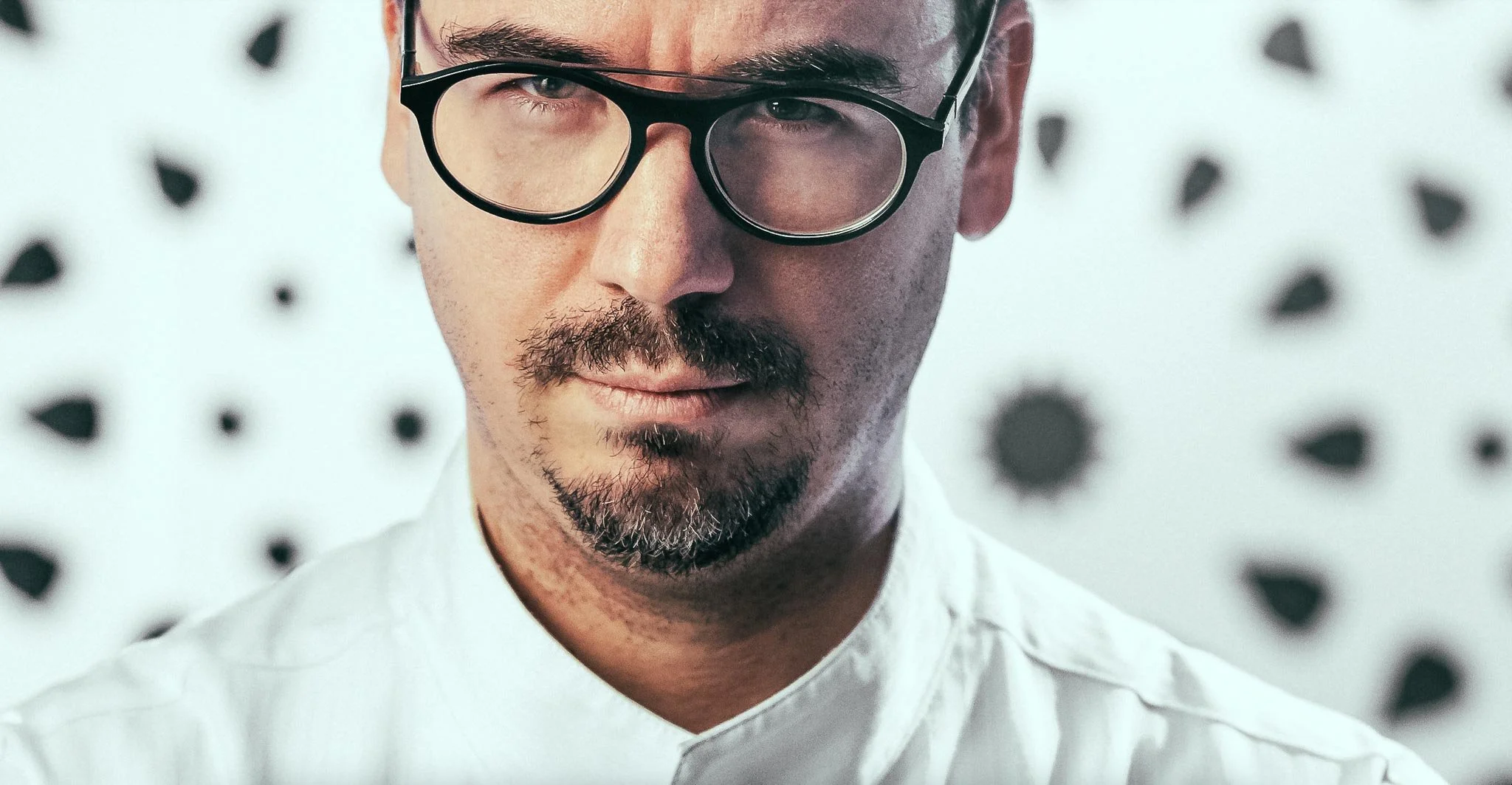
As a culinary Indiana Jones, Paco Morales is considered by many as one of the most prominent figures in Spanish gastronomy. Morales has dedicated the past ten years of his life to honoring and reimagining his culinary roots. At Restaurant Noor in Córdoba, Morales lifts the cuisine of the forgotten Arabic kingdom of Ál-Andalus to a level that is historically accurate, modernly avant-garde and unlike anything the world has ever seen. And now, he is taking the show on the road.
From an early age, Morales’ unparalleled work ethics sent the young chef to the pinnacle of Spanish cuisine at El Bulli, before inspiring him to kickstart his own businesses as chef and restaurateur. One thing his dedication and ethics did not prepare him for, however, was the bitter taste of failure. “There were great victories early on, but also great defeats,” he admits, and learning the value of both became important life lessons for young Morales.
It is often said that you have to look at home from a different perspective to truly appreciate the beauty of your roots. And after working for some of the greatest Spanish masters, touring the world and attempting several projects in major cities, Paco Morales found his new mission right where his life began. In Córdoba.
Forgotten heritage sees the light
“It all began as I started meticulously studying Basque culinary culture and French cuisine,” he reflects, “I was surprised by how much influence and culinary reminiscence came from Arabic recipe books. Maybe It should not have come as a surprise,” he shrugs, “but still, it did.”
Unlike many of his contemporaries, Morales was not entirely unfamiliar with his local history. He knew, for example, that his home region of Andalusia, was - for almost a thousand years - part of a proud and prosperous Islamic kingdom known as Al-Ándalus. And he knew that his city of Córdoba - known as the Rome of its time - was once the shining star of an empire.
What surprised Paco, he admits, was not the former Muslim presence in Andalusia, but the sheer depth and impact of the forgotten history and beauty of Andalusia. “As I started digging deeper into my heritage, I realized that people as far away as Malaysia highlighted the mosque of Córdoba as a glorious building,” Paco reminisces. “From then, I started looking at my city with the eyes of a foreigner.”
When he did, the sight overwhelmed him and filled him with wonder. The beauty of the Islamic past, the rituals, the art, the aesthetics, the architecture and the food. “How could something so magnificent be so largely overlooked,” he wondered.. “What if,” he thought, “I could create a culinary tribute fit for a royal family of this long-forgotten kingdom? And serve it in the most beautiful way possible.”
Double-click to edit...
Breaking Córdoba’s DNA code
Over the following years, he started building the restaurant of his dreams. And as he did, he spent countless hours immersing himself in local culture, cuisine and history. Like a sort of culinary Indiana Jones, people would say. He scoured through historic ingredients, cooking methods and rituals of the Arab world. He studied long-forgotten annals of royal kitchens. He researched the eating habits of Caliph Al-Ma’mun, an inspiration for the 1001 Nights tales. And even dug through precious tomes of 10th century recipes chronicled by Ibn Sayyar al-Warraq, publisher of the world’s first known cookbook.
With time, Morales drew an impressively accurate timeline of Arabic culinary evolution on the Iberian peninsula. Starting more than a millennium ago and following the history of the Kingdom of Al-Ándalus all the way to its eventual demise following the discovery of the New World.
He made it his life’s mission to re-imagine not re-create the splendor of the past. He wanted his ingredients to be authentic and historically accurate. While techniques, tools and presentation should remain modern. To present flavors that would be recognizable to people of the past - in ways that would stun people in the present - was his ultimate goal.
What if I could create a culinary tribute fit for a royal family of this long-forgotten kingdom?
Double-click to edit...
Noor - Light in Arabic
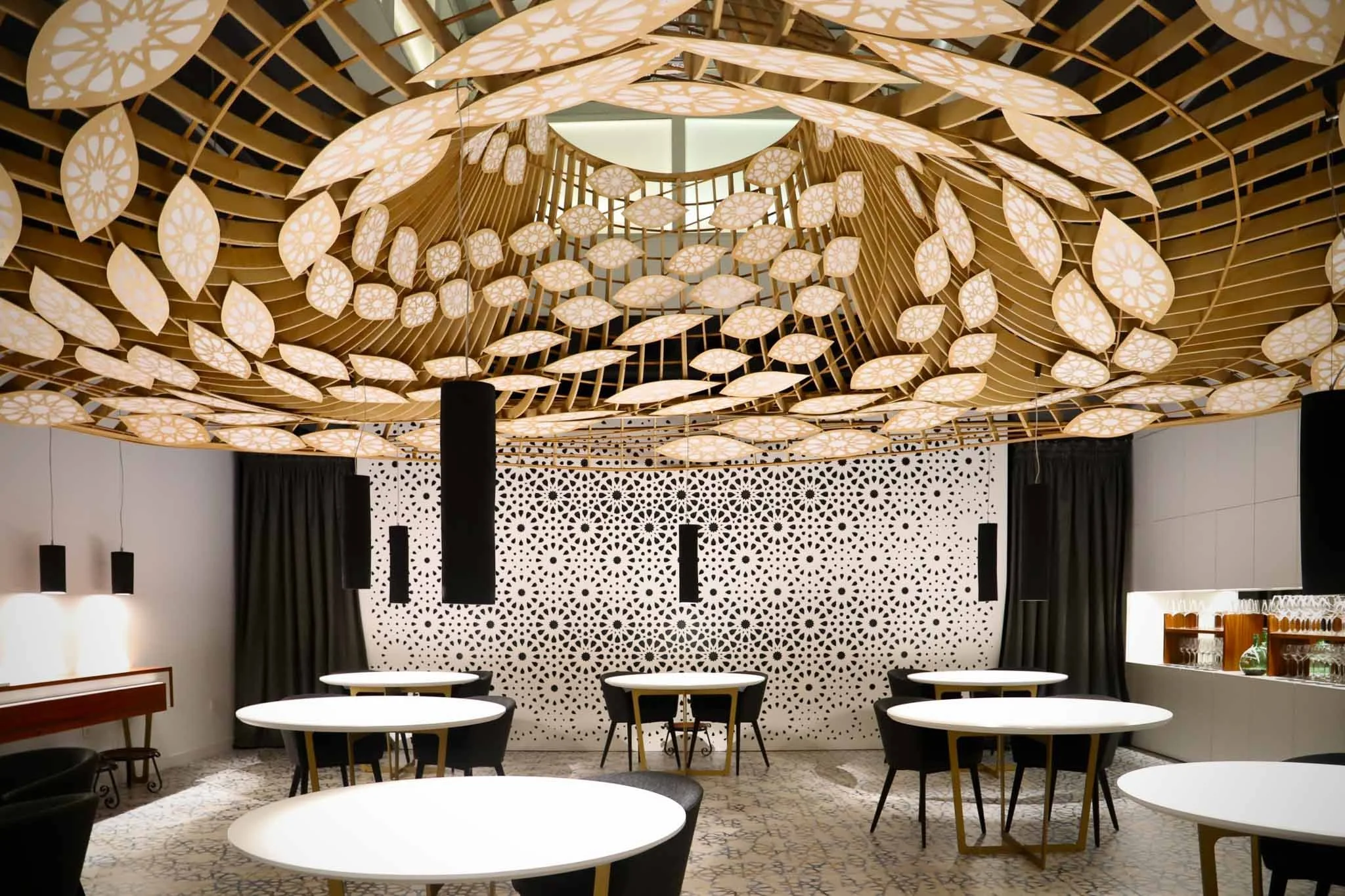
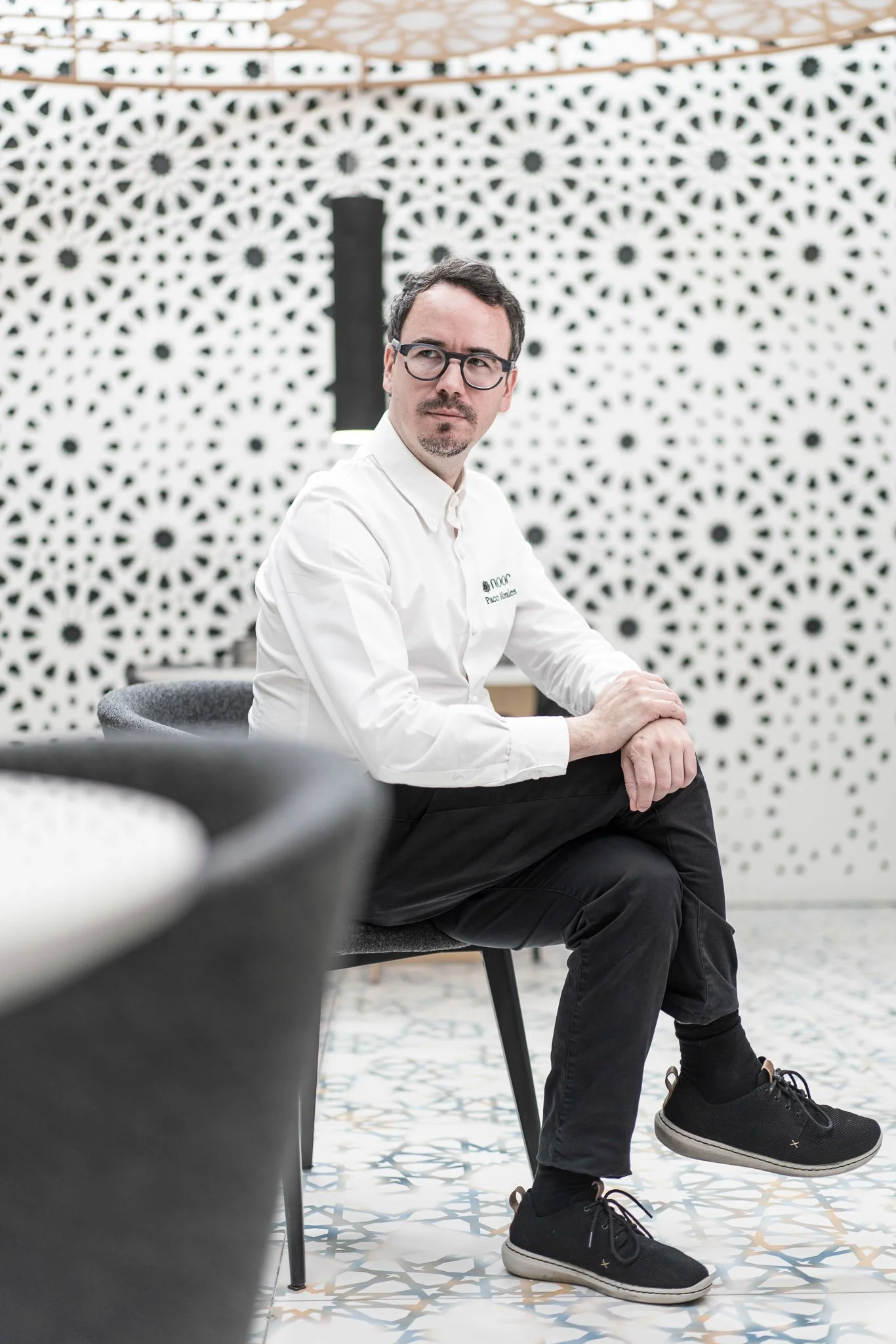
“When I first envisioned Noor,” Paco recalls of the process, “I knew it would be a unique concept. Unlike anything ever done before. For the first time in my life, I was way more aware of the overall concept than the culinary aspects. My challenge was to create something wonderful, immersive, perfect, yet financially sustainable.” And, indeed, Noor would be a sight unlike any the culinary world had ever seen. A jewel of culinary importance, wonder and gastronomic impact.
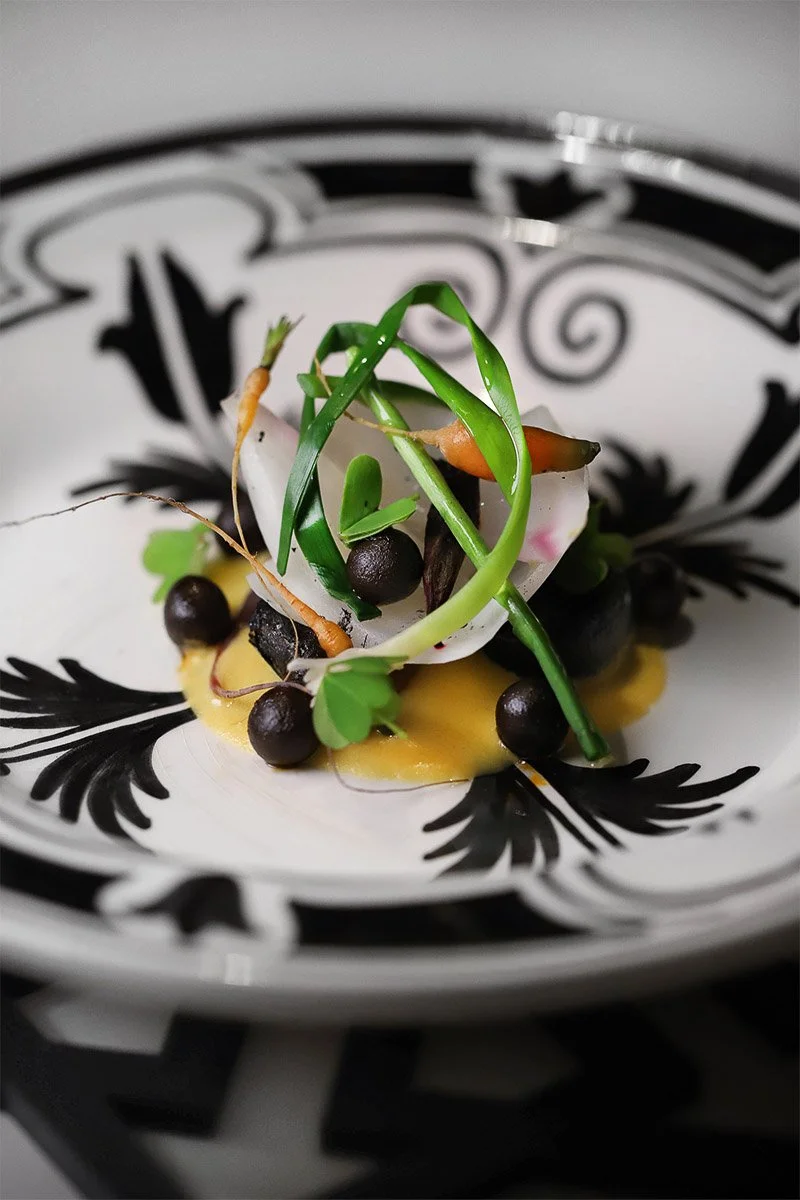
At Noor, the Arabic word for light, each passing season represents a journey through an entire century in the culinary history of Ál-Andalus, from the 10th century and onwards. Using only ingredients available in that century. A seemingly simple yet extremely challenging restriction that serves as the creative driving force behind Noor.
“It was an extraordinary creative exercise to paint the depths of Arab culinary history, without using, for example, tomatoes,” Paco admits. Yet, for Morales, limitations became part of the beauty and the driving force behind Noor. “The first five seasons was a gastronomic dessert with no noble products,” he reveals, “yet what we created was a cuisine that drew attention - for its immense beauty and creativity encouraged by restriction.”
“It is our efforts,” he continues, “as well as the strength of the core concept and the ongoing story we tell, that attracts international and local guests year after year. Our little restaurant has become a theater,” he smiles, “in which we create an ongoing story in different acts.”
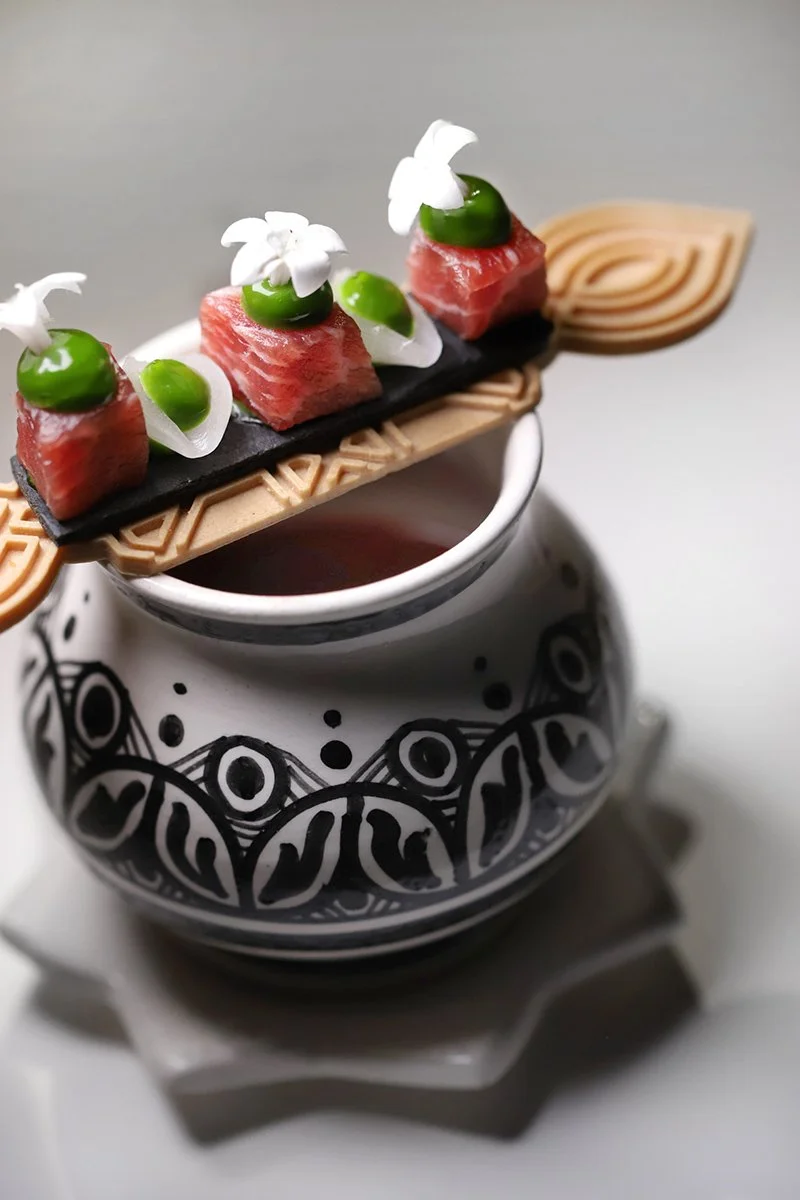
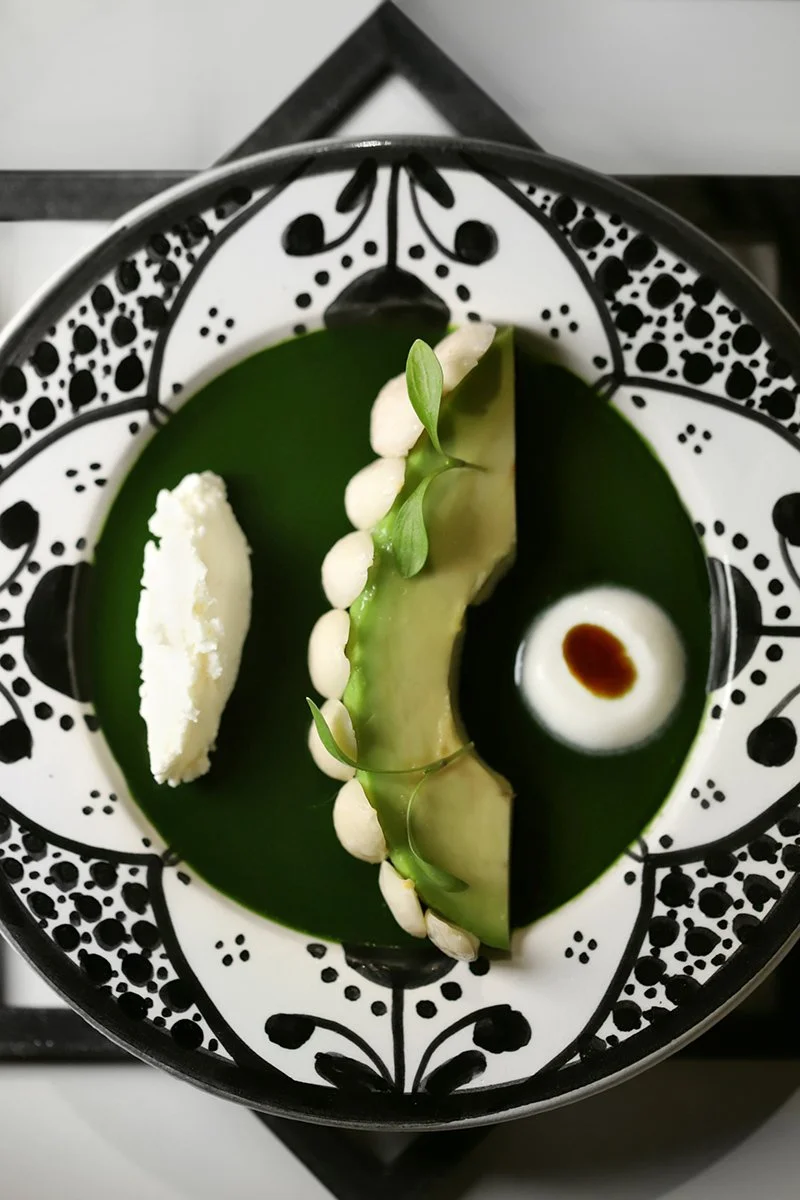
When I first envisioned Noor, I knew it would be a unique concept. Unlike anything ever done before.
Noor as a theater unveiling the Arabic world
If Noor is a theater as Morales claims, it is a culinary theater like no other. Noor is a breathtakingly well-created setting that entwines Arabic iconography, ritual, cuisine and art in perfect harmony. An almost otherworldly temple to aesthetics and the value of dedication and hard work.
A sight so seemingly perfect that it begs the question: What drives a man to go to such great lengths to fulfill his vision? To Morales, the answer is as obvious as the question: “Expectations,” he states. “We owe it to our guests’ expectations to constantly study and improve,” he stresses with sudden force, “and I find that wonderful. It provokes change season after season, as well as creativity and passion.”
“We introduced this vision to communicate culture through food, decor, art and poetry,” he explains. “It has become a part of our culture to constantly improve on it. Working day by day, season by season, to exceed expectations. Yet, with every passing season I personally feel less fearful. Because I travel, I eat, I enjoy different cultures. And it offers me perspective on what we are doing.”
Double-click to edit...
Ever-evolving culinary timeline
As he sits there, reflecting calmly, it becomes clearer than day. Just like life, Noor has become an ever-evolving spiral of change for Morales. A passing of seasons where some things change from year to year, while others stay exactly the same. Perfect as they are, Morales would say. But even more so, he acknowledges, Noor has become his life’s work. And it has turned him into a man who is not afraid to dream, to give it his all, to maybe even fail and to try again with something new.
But if Noor is life or even a life’s work, what will happen when inevitably Morale’s culinary timeline of the Ál-Andalus kingdom comes to an end? With only so many centuries left on the clock it is difficult to say. For now, he seems perfectly happy telling his story through his culinary theater, but what happens when the retelling of the Ál-Andalus Kingdom comes to an inevitable end? Will Noor change? Or will Morales move on?
Paco Morales himself remains mysterious on the subject, giving only subtle cues to a future where only one thing is certain: change. ”I am a person who can love, only to destroy and rebuild,” he puts it poetically. “Like a Phoenix that is consumed by internal fire only to rise from its own ashes. Quite the same but also very different.”
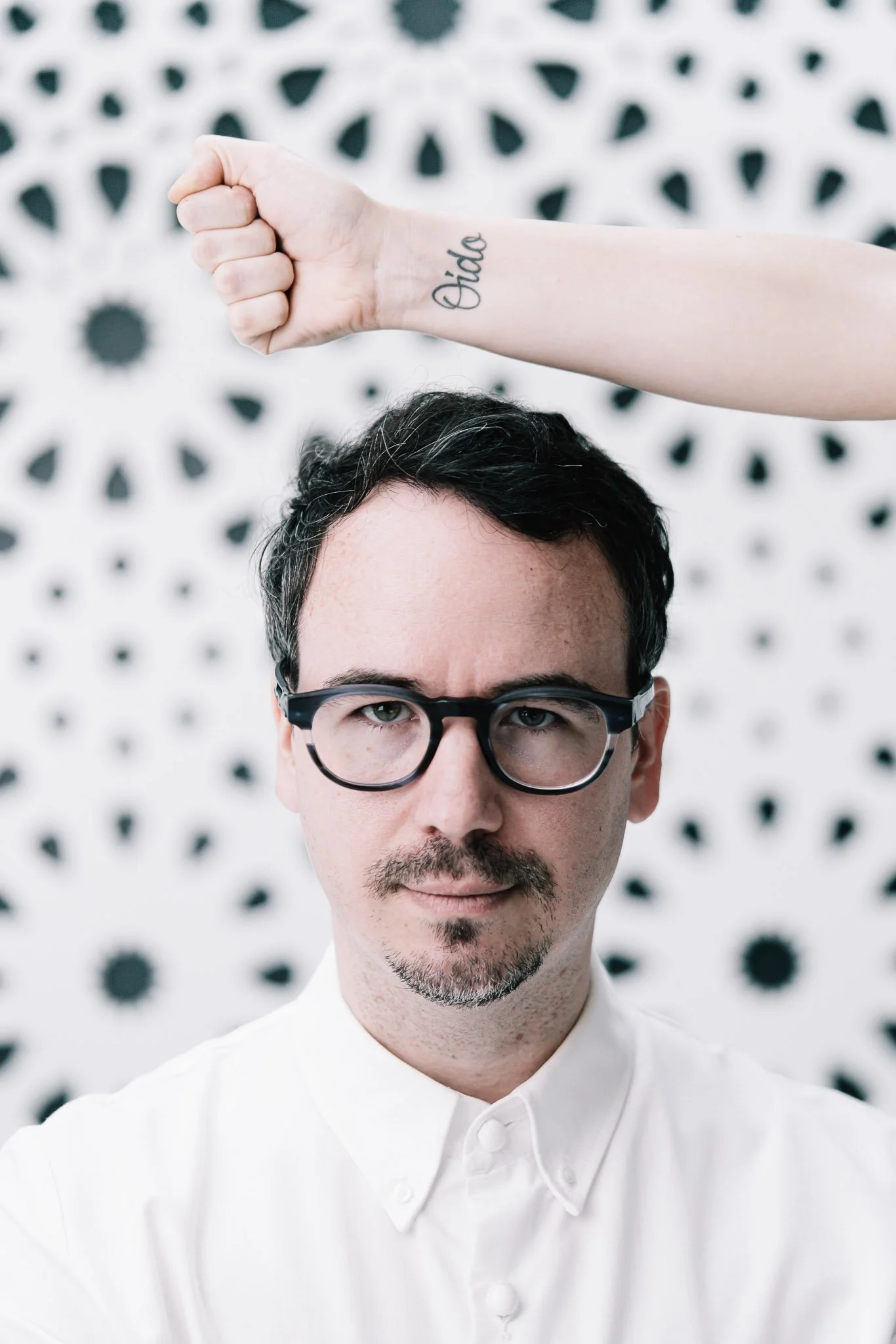
Paco Morales is an avid world travelerm a great appreciator and communicator of culture. Morales's extraordinary talent will be on display at his pop-up in Tivoli’s Japanese Tower from July 2nd through July 28th, featuring dishes from Noor as well as his more down to earth contemporary tapas venture, El Bar de Paco Morales.
