
Double-click to edit...
MATTHIjS STINNISSEN
On creating a desert oasis of foreign flavors and homegrown ingredients
PUBLISHED october 2021 ıPHOTO: boca
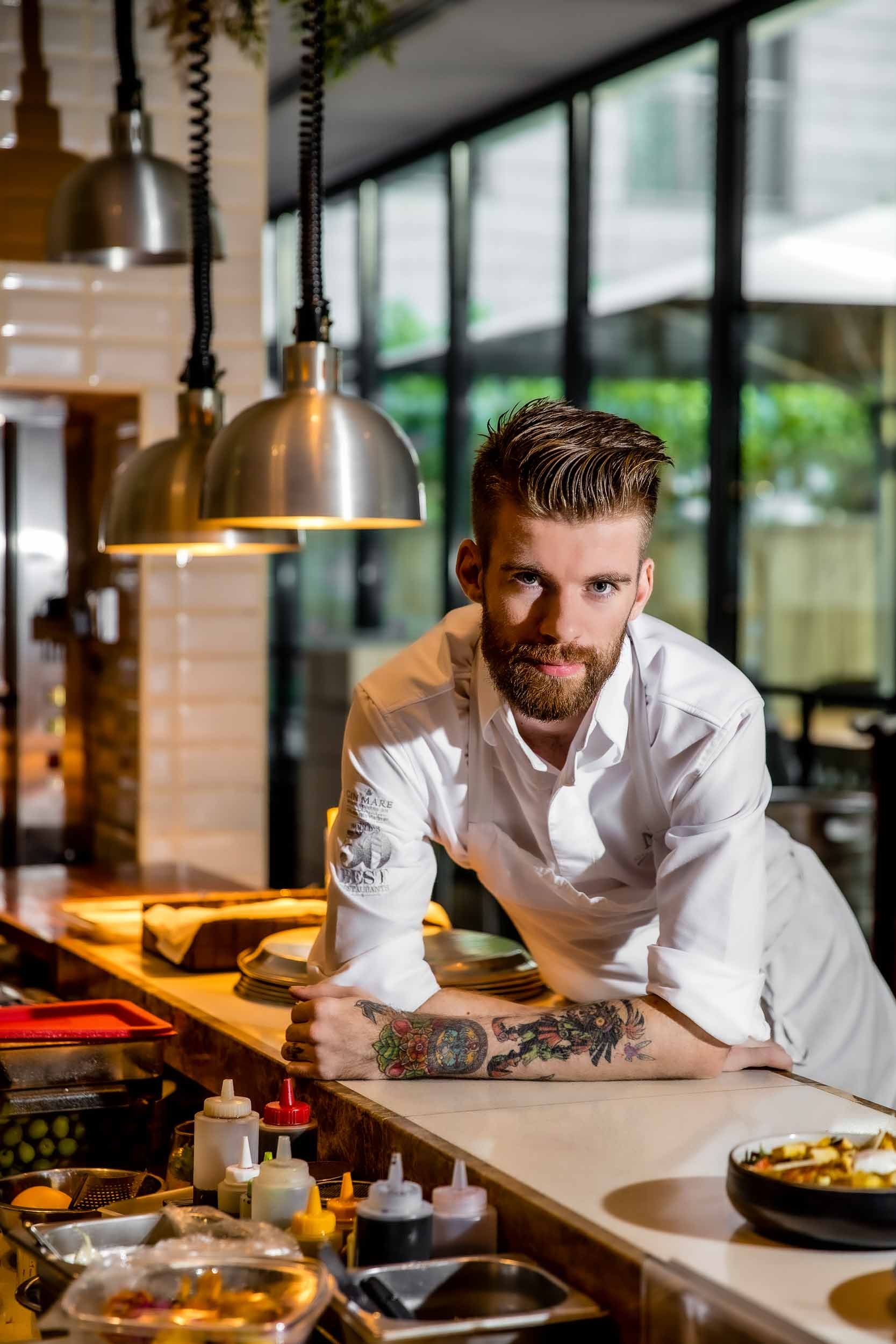
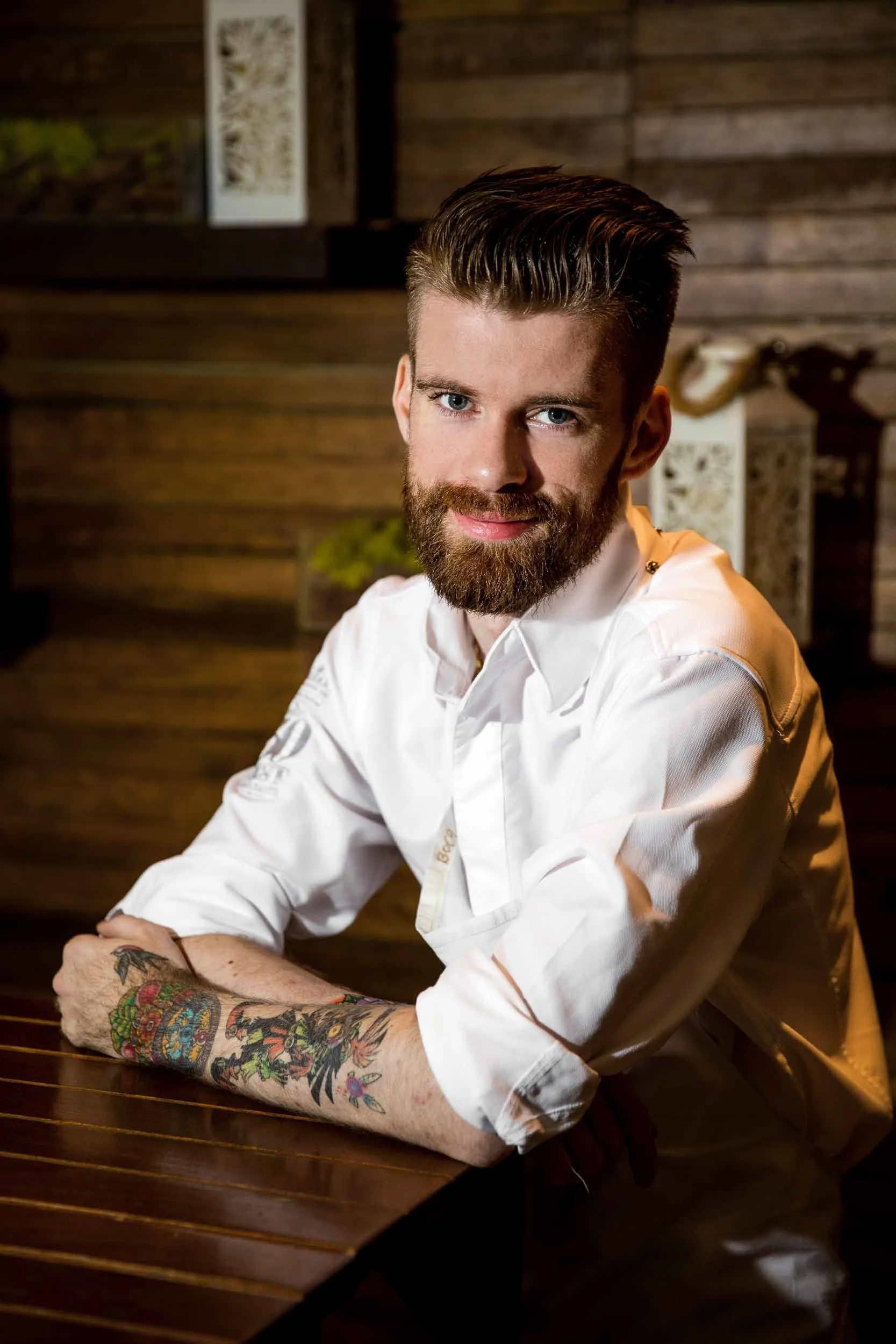
What does a modern revolutionary look like? It is tough to say. You would certainly not at first glance expect the laid back and thoughtful 28-year old Dutch born Matthijs Stinnissen to be on the forefront of a culinary revolution thousands of kilometers from home. Meet the avid gamer who used World of Warcraft as a springboard to become part of a sustainable homegrown revolution at Restaurant BOCA in the megacity of Dubai he now calls home.
Talking to Matthijs Stinnissen is quite unlike talking to many other culinary frontrunners. Unimposing and humble in character and expression, his words fall fast, unrehearsed and uninstructed. Rather than seeming scripted or repeated as is sometimes the case in these situations, they drop thoughtfully and honestly from the heart of a man whose chef tales reads a little differently that that of most others. And as they first start pouring out, you have no idea that you are about to hear the tale of a man who has helped change the world.
“When I was in high school,” he recalls, somewhat shyly at first, “I used to play a lot of online games. One was World of Warcraft. I loved cooking but I loved games more. At some point, I joined a guild (a social construct of gamers) and it was full of Emiratis. You really build strong friendships in the world of gaming, so in 2012, they invited me to come to Dubai. I was here for a week and I was blown away. I was actually going through culinary school at the time, so they took me to a lot of good places and some local joints as well.”
Double-click to edit...
“I started going once or twice a year,” he continues, “and I eventually had the chance to cook for people here. I think this was my third year in culinary school,” he muses. “During dinner, one guy started asking a lot of very specific questions and eventually told me: ‘Listen, when you finish school, send me your CV and I can try to get you a job here.’”
“I was psyched,” the young chef recalls, “I always wanted to work outside the Netherlands, to develop my style and not be just like everybody else. When I finished school, I flew directly to Dubai to work. I Got here at 22. Three years later, I joined BOCA in February 2018 and became head chef at the age of 25,” he concludes, seemingly unfaced by the grandness of his own feat.
BOCA - Freedom to create and to innovate
BOCA was different, young Matthijs quickly realized after taking on the role of head chef. In a city of upscale ingredients and expensive imports, BOCA showed a humbler, more simple approach to creating the perfect meal.
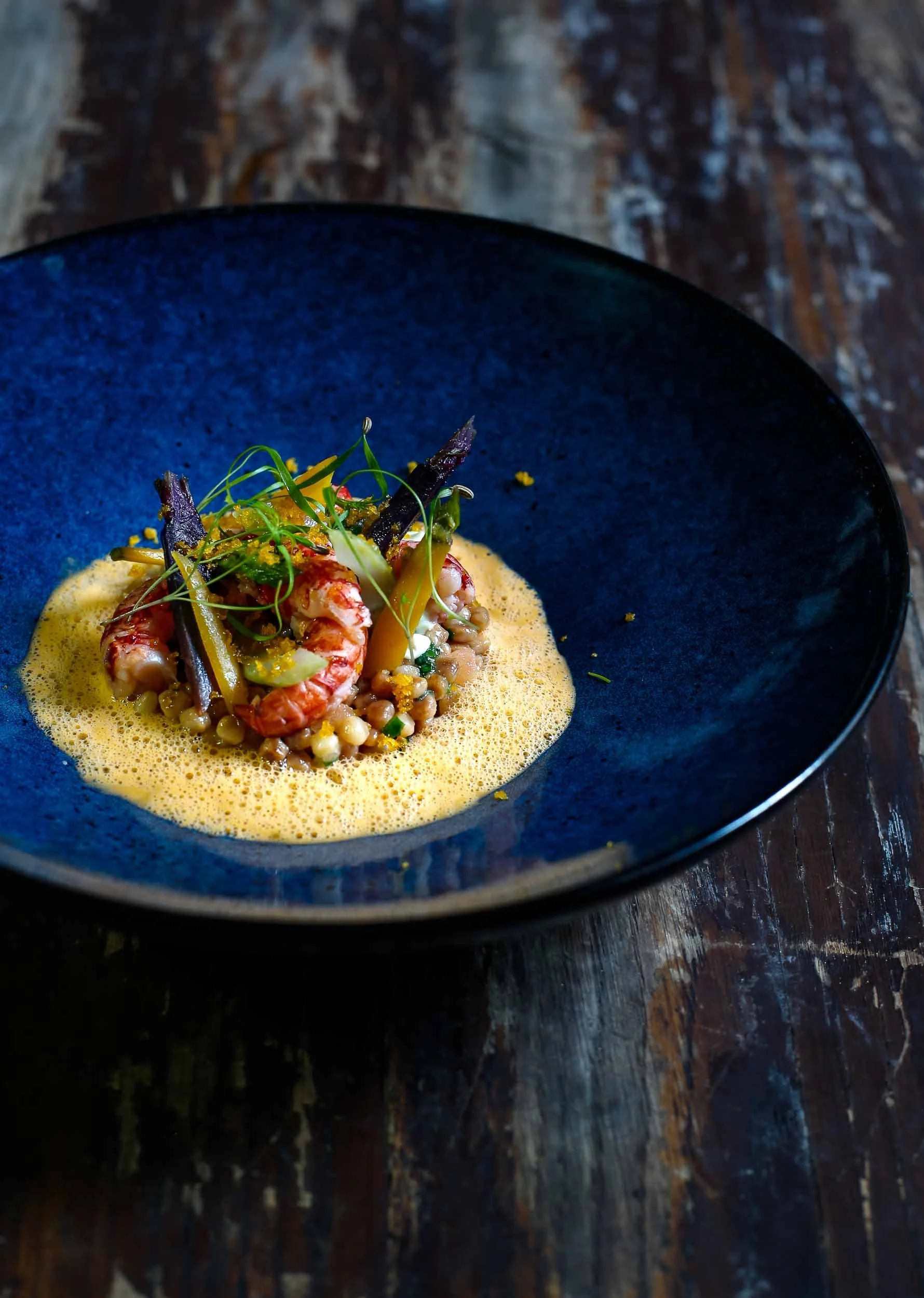
BOCA, rather uniquely, worked with local seafood and produce to create a down to earth Spanish and Mediterranean-inspired dining experience. Something that was basically unheard of in Dubai at the time. An experience designed to serve as an alternative to the lavish fine dining experiences and over the top ingredients the city is otherwise so well-known for. It was so radically different, so revolutionary, and it resonated with the young chef immediately.
I would much rather have my freedom than to be some puppet in another guy’s kitchen
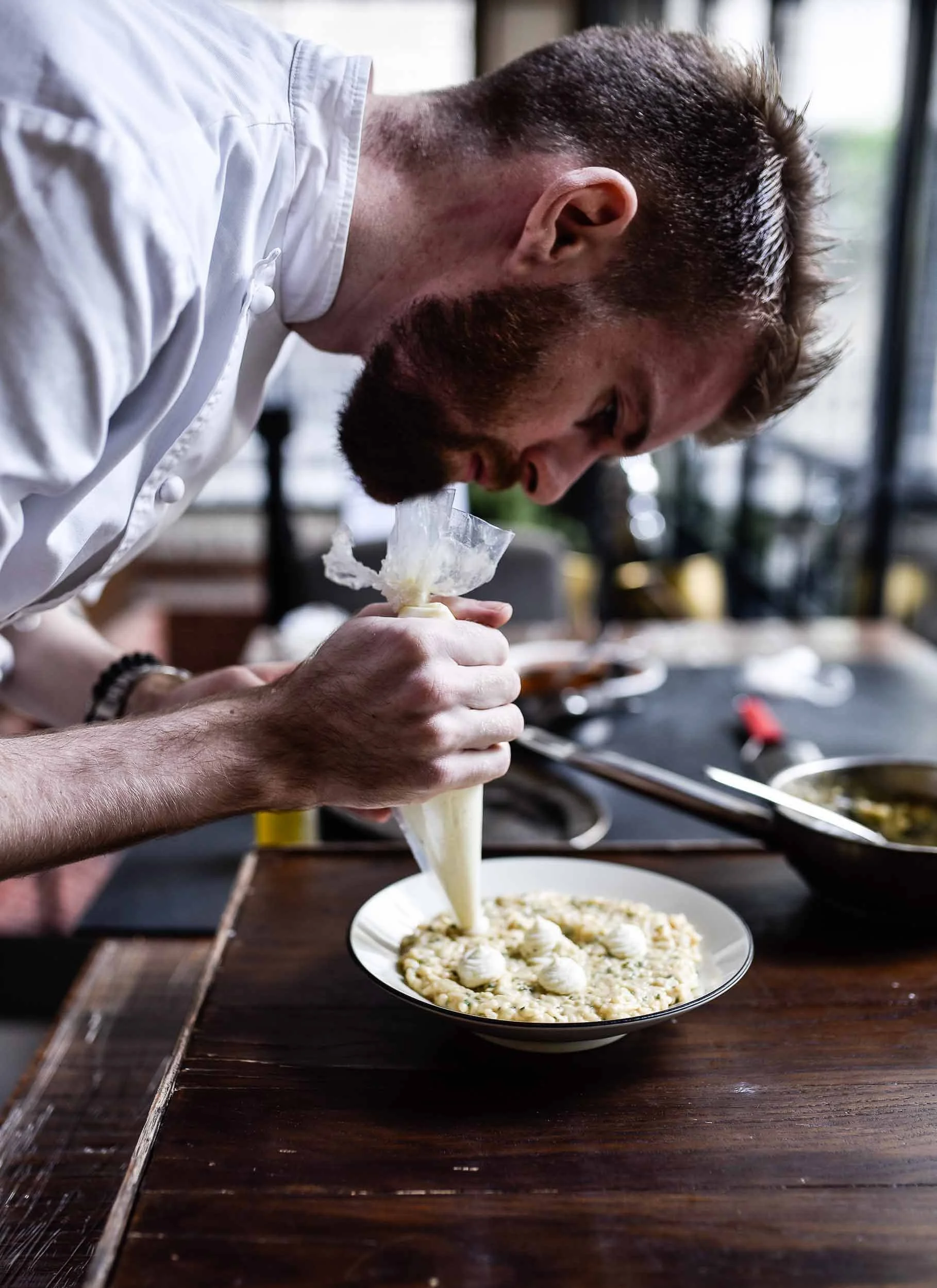
“BOCA had a nice menu and a unique approach. I really liked it,” he recalls. “But BOCA to me, was also a foundation for me to do my own thing. At BOCA, I could finally do what I wanted. They gave me so much freedom which I was so happy to receive. I had other offers, but they were not as flexible. I would much rather have my freedom than to be some puppet in another guy’s kitchen,” he says with determination before offering an example of his then newfound freedom.
Read Also: BOCA - Dare to dream: How Dubai’s homegrown heroes turned the desert into a pantry
“When I got here, I was not even very familiar with Spanish-inspired cuisine and Mediterranean food. But I was given time to practice and understand. It took three months to really understand the cuisine. And then I took to further developing recipes and boosting flavors. Today, there is only one dish left from the original menu.”
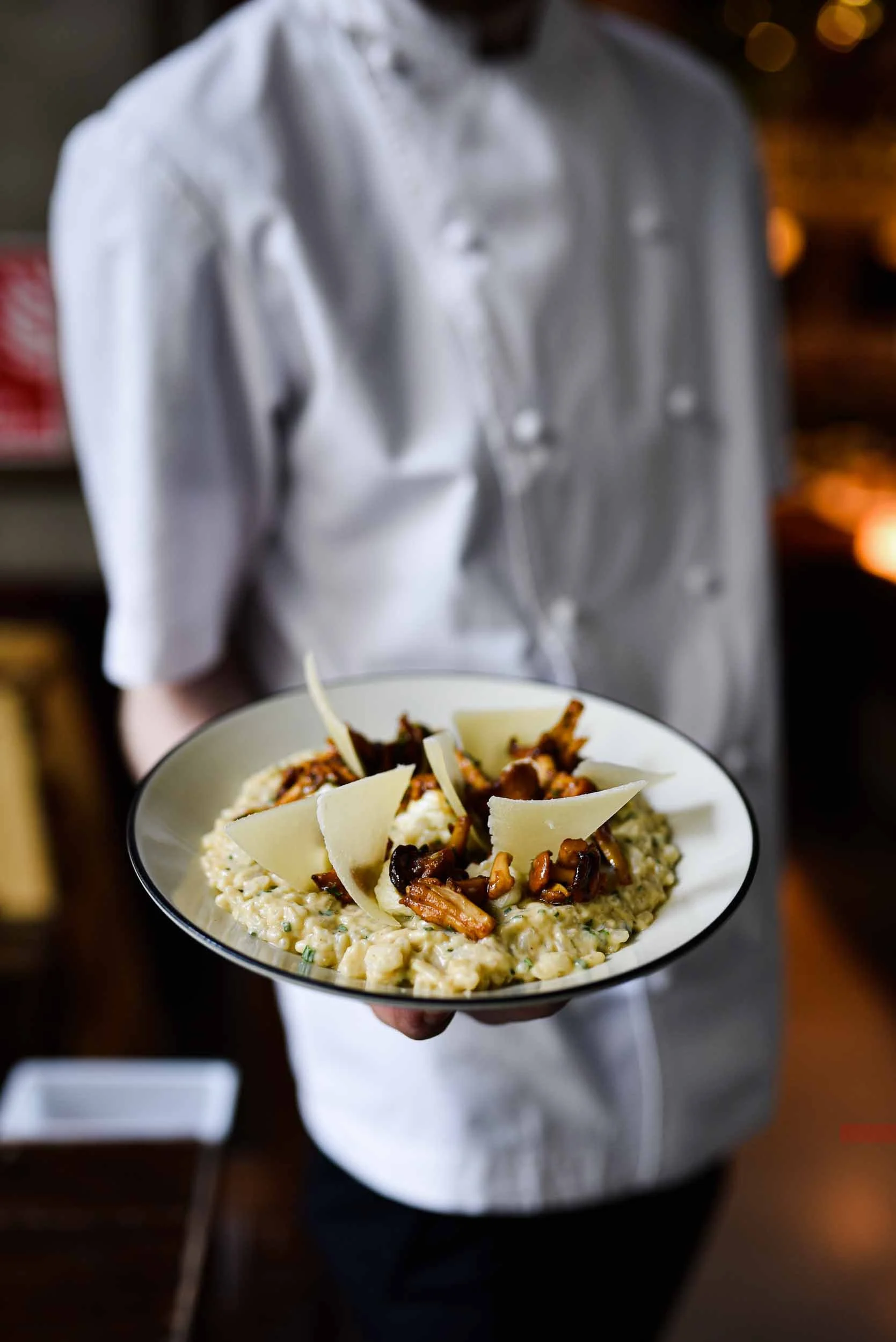
The subtlety of change - How a beetroot helped change the world
I“It is kind of a strange story,” he begins his tale of how he influenced and lifted the kitchen at BOCA, “but it all started with a beetroot. I love beetroot. The Netherlands is an amazing country for agriculture. We grew up not realizing we had some of the best produce in the world. I only realized when I came here and discovered that all produce traded here was Dutch.”
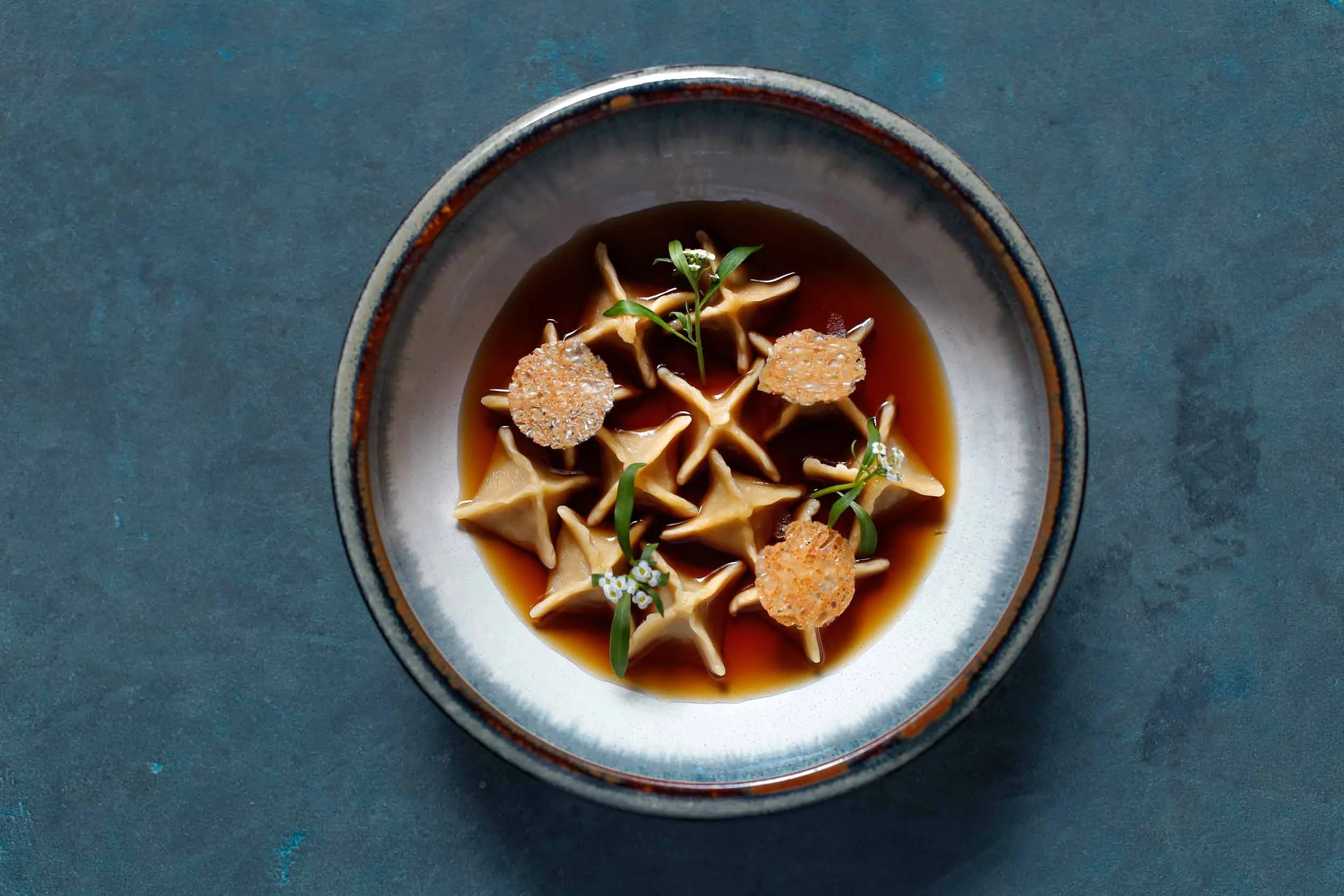
“Locality is very important to BOCA, of course, so I started looking to the local farmers for produce and found a lot of interesting things. But the beetroots, for example, were not as intense in flavor as those from Holland, so I started experimenting. We cooked them for hours in aluminum foil. We then hung them in the fridge for two weeks. To basically ferment. That intensifies the flavor. It worked for us, and it got us thinking.”
We would use unusual techniques to boost the flavors and make them equal to, if not better, than imported produce in texture and flavor.
“How can we bring out the best flavors out of local produce and stay sustainable? So, we started doing similar things with tomatoes and other vegetables. We would use unusual techniques to boost the flavors and make them equal to, if not better, than imported produce in texture and flavor. It really is the right thing to do,“ he finishes. “It is good for me and my creativity, the environment and prices.”
Double-click to edit...
Why sustainability matters, even in the world’s most expensive city
“My fondness for locality and sustainability comes from my culinary background in the Netherlands and Benelux countries as well as from my father, specifically,” he confesses. “My father was loving but very strict when we were kids. If you want money and recognition, he would say, you must work for it. He also came from a farming family. Do not waste this, he would say. Reuse it in some way. If it breaks, try to fix it.“
“My father and my background shaped me. When I came here and realized that all ingredients were imported, well... There was not much, if any, of the Dutch mentality about using local produce. And using it for all it is worth. Anywhere in Europe, this is normal. Here it is basically unheard of and to me, honestly, that is what was missing here. There is a great local scene here and the quality is not bad. I use my research and various techniques to try to enhance the flavors of what is local. If I can get produce locally and bring it to restaurant quality, I will. If not, I will try to source it from elsewhere as responsibly as possible.”
“We are local first and foremost,” he insists, “but the ingredients should be memorable, fresh and ever-changing, ”he also adds. “We change the menu 3-4 times a year. To keep things moving, to reinvent and to inspire. Inspiration can come from anywhere. Something I see on the internet or in a book, something I suddenly remember from working in Holland or Belgium. Anywhere.”
Double-click to edit...
“I have so many basic recipes and inspiration in my backpack,” he continues on the trail of finding inspiration. “I did six years of culinary school at the best culinary school in the Netherlands. I worked in some of the best restaurants with Michelin chefs and other really talented people. Now, whenever I want to try something new, I can start with one of my basic recipes and work it into something that is, well, a little more BOCA.”
But really, what is the BOCA style after three years with the Dutch flavor pioneer at the helm? “Honestly,” Matthijs reveals, “people sometimes get confused. They think BOCA is Spanish. But it is not. Our core cuisine is indeed Spanish, but it has a lot of influences from France and the Mediterranean. It is not traditional Spanish. So we get complaints from people from Spain along the lines of: Your Paella is not Paella. It does not taste the same. Yet, all the classic ingredients are in there… And, really, all paellas taste different.”
“Also, I have to tune my recipes towards the palates here,” he reveals in a sentiment that mirrors that of many of his peer chefs in Dubai. “Recipes are made to be developed. And we, specifically, need to develop! Dubai is such a different world. We are nearly 200 nationalities. We have to cater to every palate. And that is definitely a challenge. Another thing that is hard, is beating the general perception that because BOCA is situated in Dubai, things should automatically be over the top and expensive.”
Truffle, Caviar, I have it, but mainly because people ask for it and are ready to pay for it. On the other hand, many prefer our low key approach.
“Truffle, Caviar, I have it,” he admits, “but mainly because people ask for it and are ready to pay for it. On the other hand, many prefer our low key approach. In the end, we have nothing against fine dining and imported ingredients. But we feel the city needed a casual, sustainable alternative. a mid-level experience where local and sustainable ingredients are treated with respect and elevated into something truly magnificent.”
“What is next for BOCA, you ask? “We want to keep taking things to the next level. We try to be ahead of the game. I have not yet found the person, but I am thinking of creating a research kitchen with local ingredients. Working with new and classic flavors. Maybe old Emirati recipes that have gone out of fashion. Maybe a Chef’s Table experience, five-seaters in the kitchen. Upscale yet still local, simple and sustainable with nice stories to tell..”
Who knows, the young, innovative chef eventually trails off, “as long as we keep local, keep inventing and keep improving.”
