
Double-click to edit...
KARTOFFELPRISEN 2020
The wizard’s apprentice from Restaurant Alchemist wins gold in 2020’s most unusual cooking competition
PUBLISHED AUGUST 2021 ı PHOTO: SØREN GAMMELMARK
Few cooking competitions took place in 2020. Yet on the rural outskirts of Denmark, a handful of chefs and a local interest group managed to pull one off. And like the year in which it took place, it was a little out of the ordinary. Kartoffelprisen, literally “The Potato Award,” aimed to spotlight not the finest of ingredients, but the humble spud that helped feed and build nations yet never seems to get much attention.
For centuries, the potato has served as an important part of the Danish diet. It nourished us as we went from a nation of farmers to a successful industrialized nation built on knowledge. But in the world of gastronomy it has almost always been an overlooked side element.
Kartoffelprisen was founded by Culinary Institute by Vejle Erhverv to put our culinary heritage center stage in a cooking competition aimed to spotlight the diversity of Denmark’s favorite root vegetable.
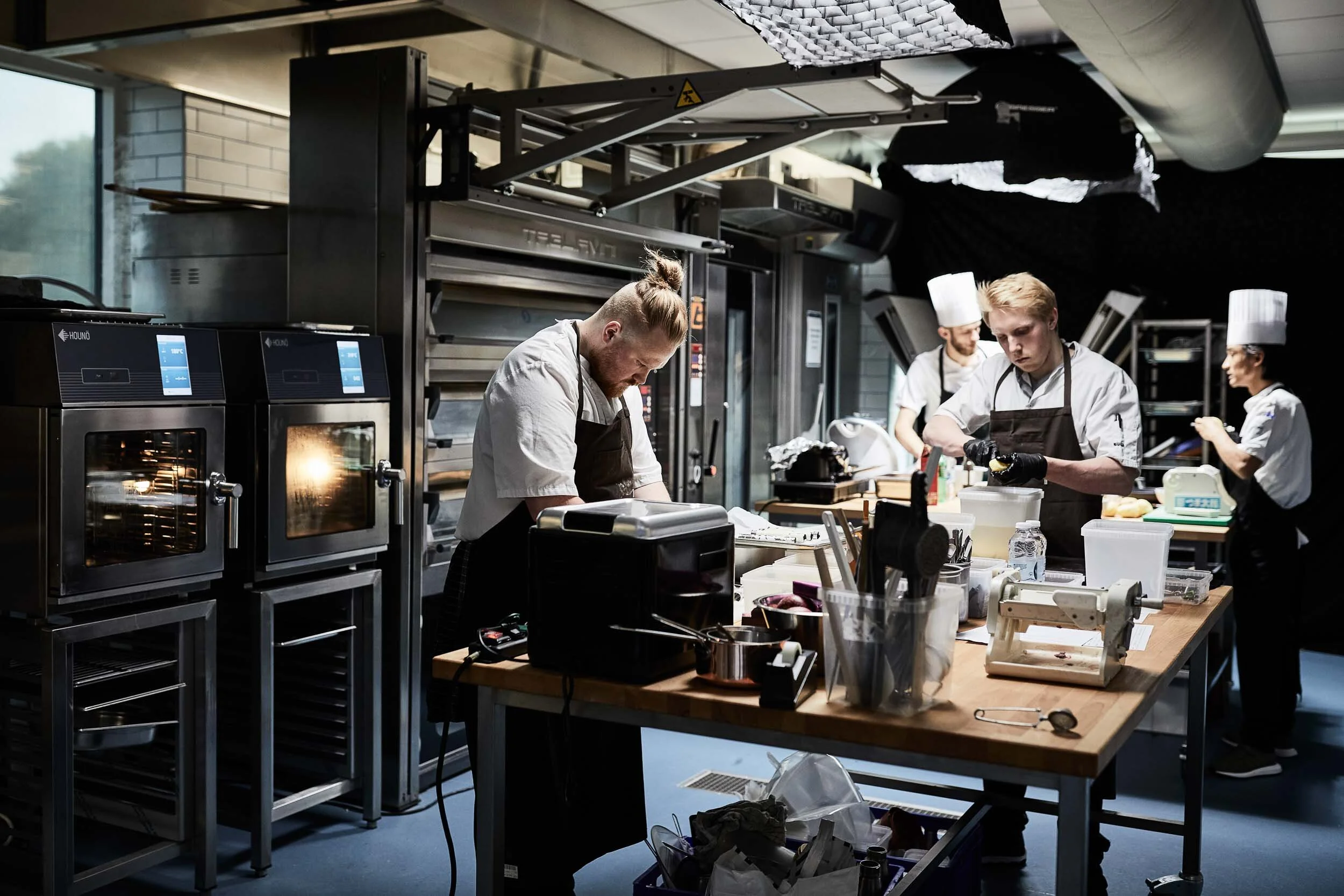
For one day of the year, a group of hopeful young chefs travel to the town of Vejle to each create three dishes: a starter, a main and a dessert - all featuring potato as the main ingredient.
In 2020, the contestants included six young hopefuls from freelancers to chefs from some of the greatest restaurants in Denmark. These included Christoffer Sørensen from one-starred Dragsholm Slot (now head chef at Studio), Cecilie Bunk Pedersen from classic fine dining establishment Ruth’s Hotel in Skagen and Magnus Carlsen, the wizard’s apprentice from two-starred Restaurant Alchemist.
Live-streamed Elements of surprise
In a live-streamed event, the contestants battled for 5.5 hours in the kitchen to present their creations in front of a panel of judges featuring some of the finest minds of Danish gastronomy through the ages. Jesper Koch, star chef and Masterchef judge, Rasmus Munk of Alchemist fame and “Silverfox” Jens Peter Kolbech, the grand old man of Danish fine dining, were part of the decision-making body. As was former competitive chef Lasse Starup Petersen, Anita Klemensen and Kartoffelprisen founder, Per Mandrup.
At the start of the competition, the potato varieties available were the only ingredients known to the young chefs. All other ingredients hailed from a shared stash, including Norway lobster, zander and lamb which was revealed at showtime.
Within the first hour of the competition, the chefs had to present a written menu of the dishes they intend to present. All had to feature potatoes as their main elements with at least three elements from the shared stash of ingredients playing the role of supporting elements. At least three varieties of potatoes should be used for a total of at least 60 % potato of the final dishes.
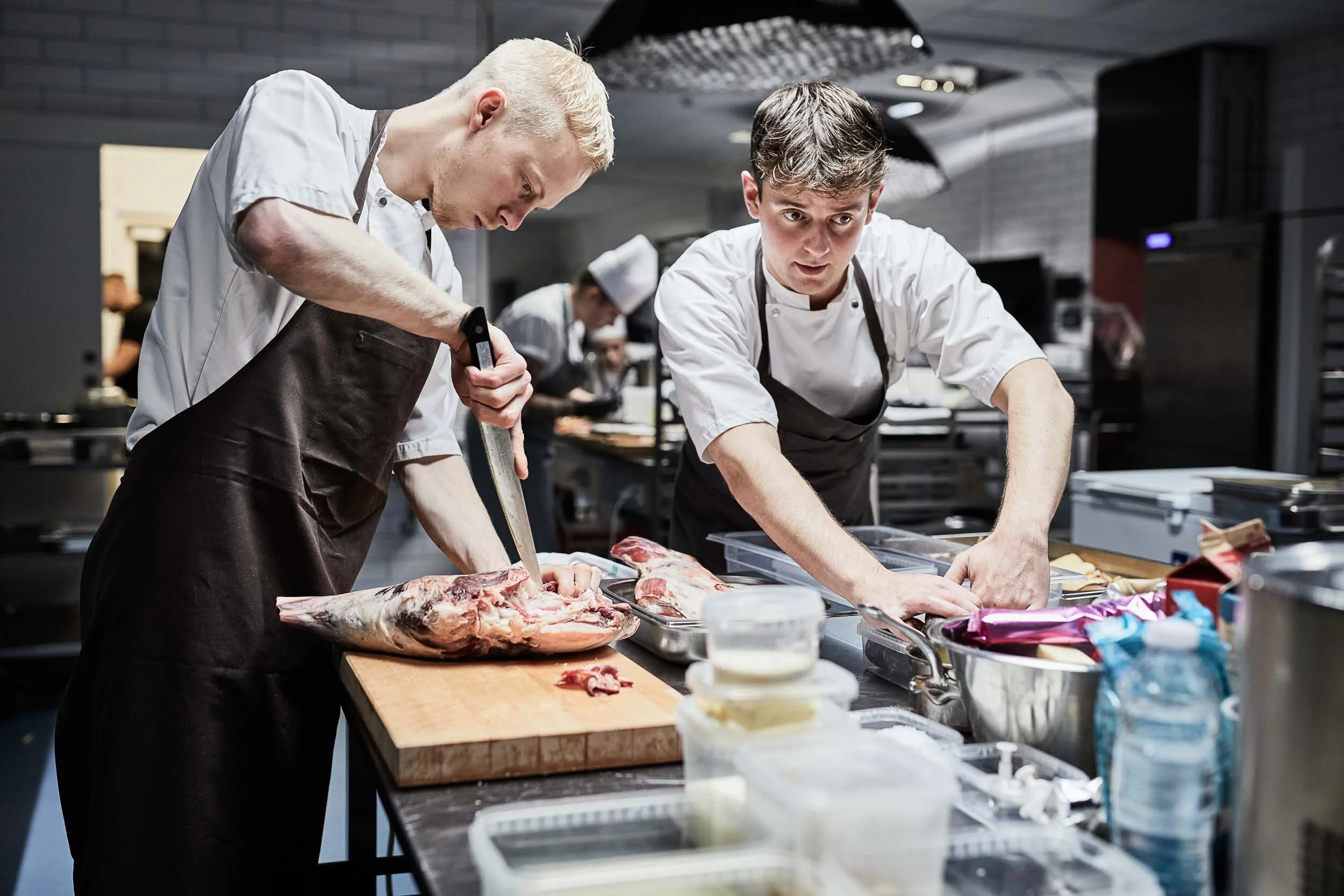
The rules furthermore stated that the potato should play a “prominent” role in every presentation, a statement that would have turned the world upside down for most trained chefs who are used to working with potatoes as an accent to protein, not the other way around.
Jens Peter Kolbech, who had just returned from the Bocuse d’Or semifinal in Tallinn, likened the ordeal to a surprise military skirmish: “I find it an interesting challenge,” he said, “I wonder how I would have done things myself, racing against the clock to create little soldiers of supporting elements for my main element, in this case the humble potato.”
The format forced contestants to draw on all their experience and knowledge. Not only to make an ingredient that usually plays second fiddle the star of the show. But also to race against the clock to overcome challenges faced throughout the day, including an unusually large number of power cuts.
I wonder how I would have done things myself, racing against the clock to create little soldiers of supporting elements for my main element, in this case the humble potato.
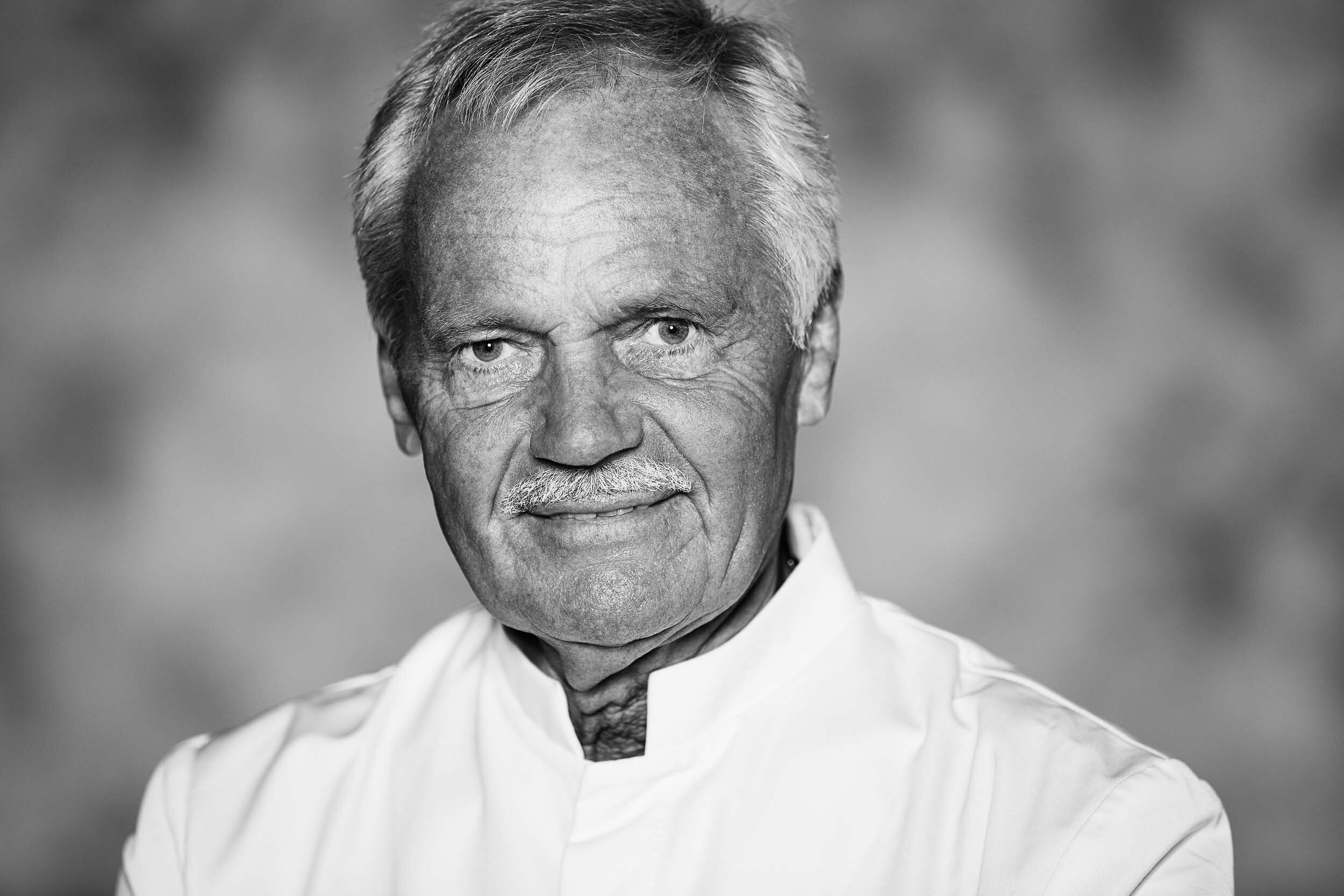
Jens Peter Kolbeck | Gastronomic Legend
Double-click to edit...
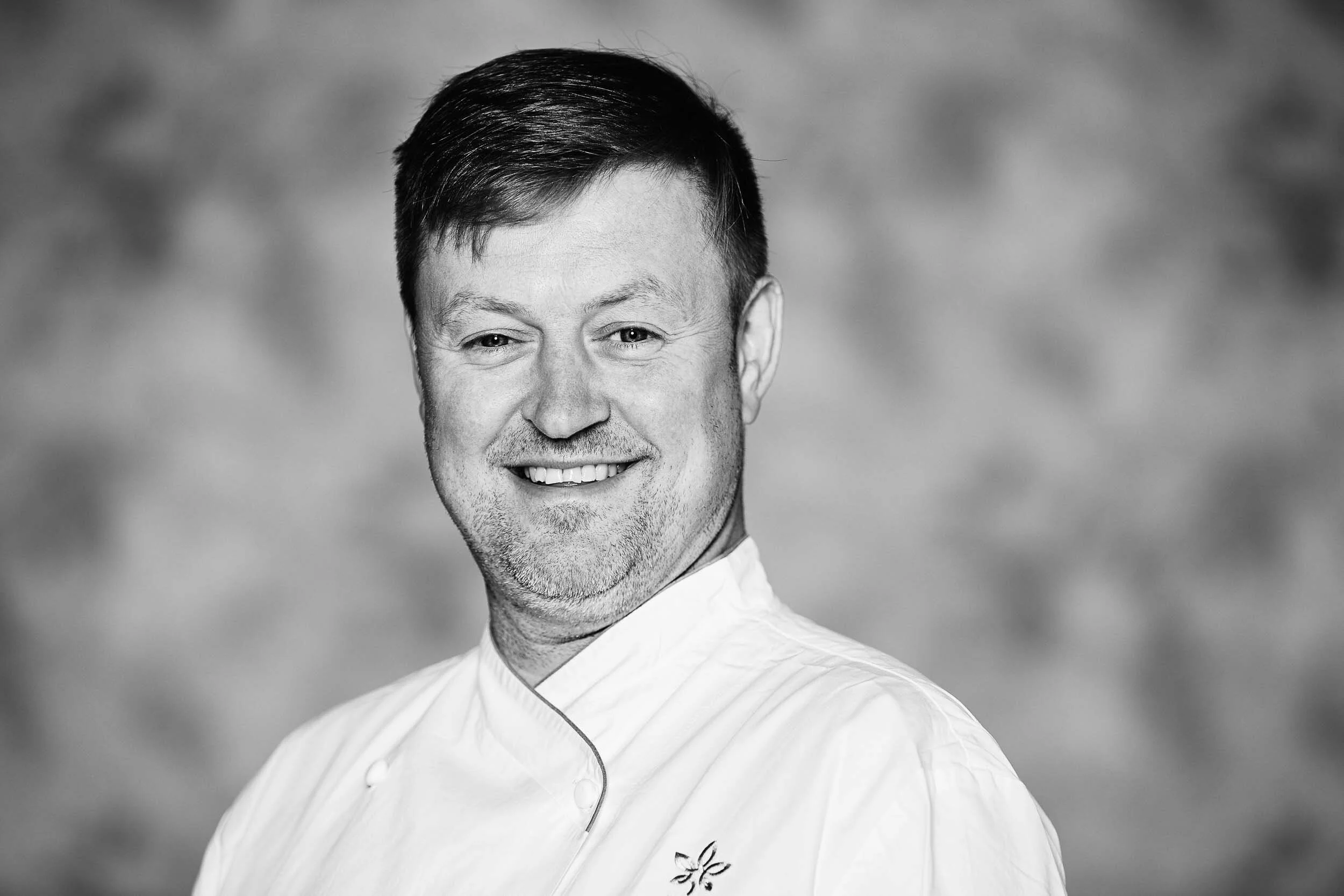
Jesper Koch | Masterchef judge
You have but one option. To be prepared. And the only way to be prepared is to practice your base recipes and skills. That way nothing can really surprise you!
His co-judges Rasmus Munk and Jesper Koch saw things a little less poetically, but still very fittingly:
“In a competition environment such as this with elements of surprise, you have but one option. To be prepared. And the only way to be prepared is to practice your base recipes and skills. Be prepared and bring several base recipes. That way, nothing can really surprise you,” said Koch.
Rasmus Munk, the only judge fortunate enough to have his own protegee in the competition, was of much the same opinion. “You cannot really be innovative in a six-hour surprise competition format. You have to draw on your base skill set. You have to practice and you have to think about seasons. What sort of surprise ingredients might I get? Careful planning and training, along with some good basic knowledge is what you need to succeed.”
Fried potato ice cream and other madness
As the day progressed and the young hopefuls slaved in their kitchens, it quickly became evident that these very pieces of advice were key to winning. “They were given some fantastic ingredients to work with, lamb, Norway lobster, and zander,” said Jesper Koch at the end of the day when dishes had been tasted and the winner crowned. “Ingredients that were not hard to work with, but ingredients that easily overpower or outshine the humble potato. I felt that several times today, the potato did not get the attention it deserved. And then again, in some cases it really did.”

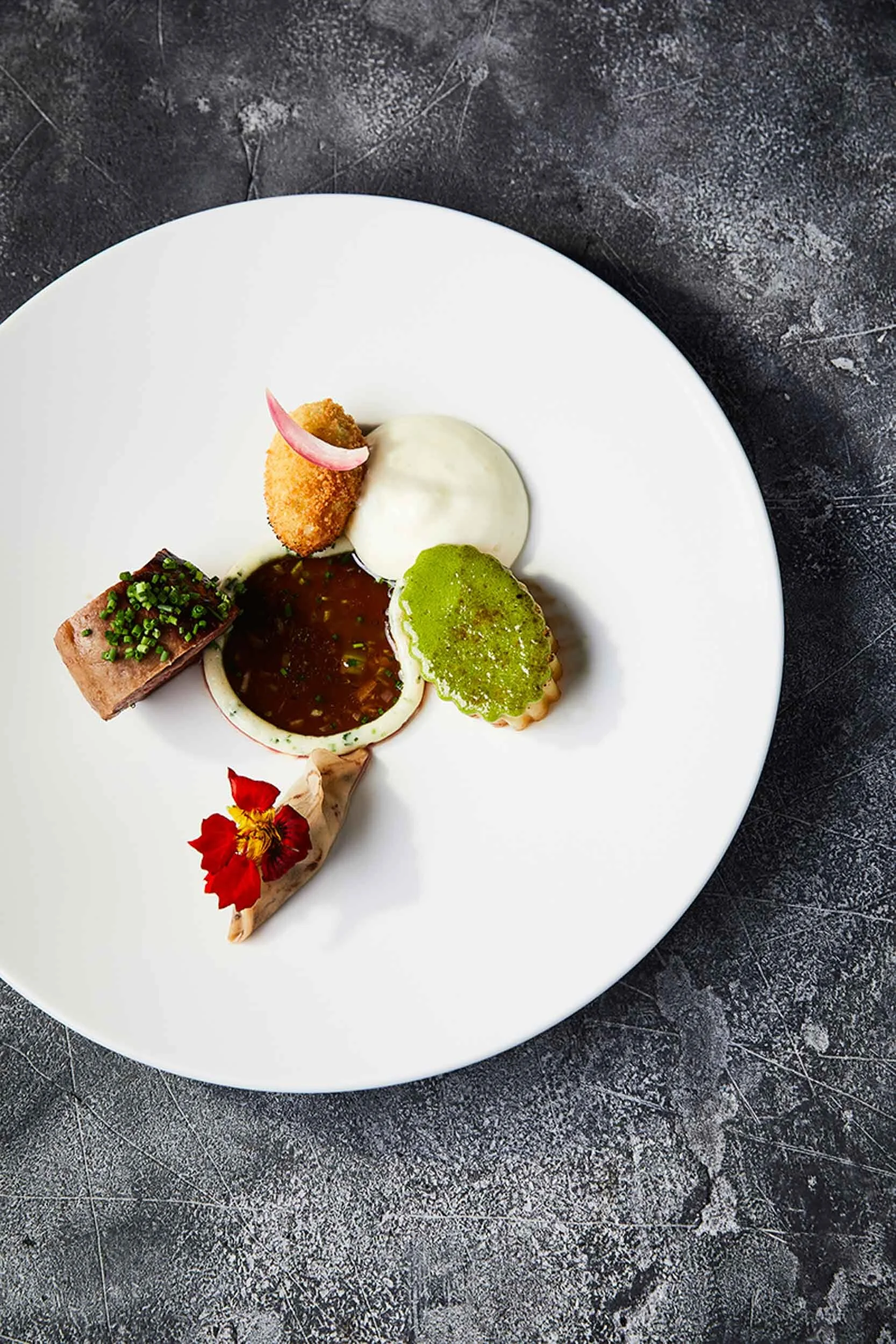
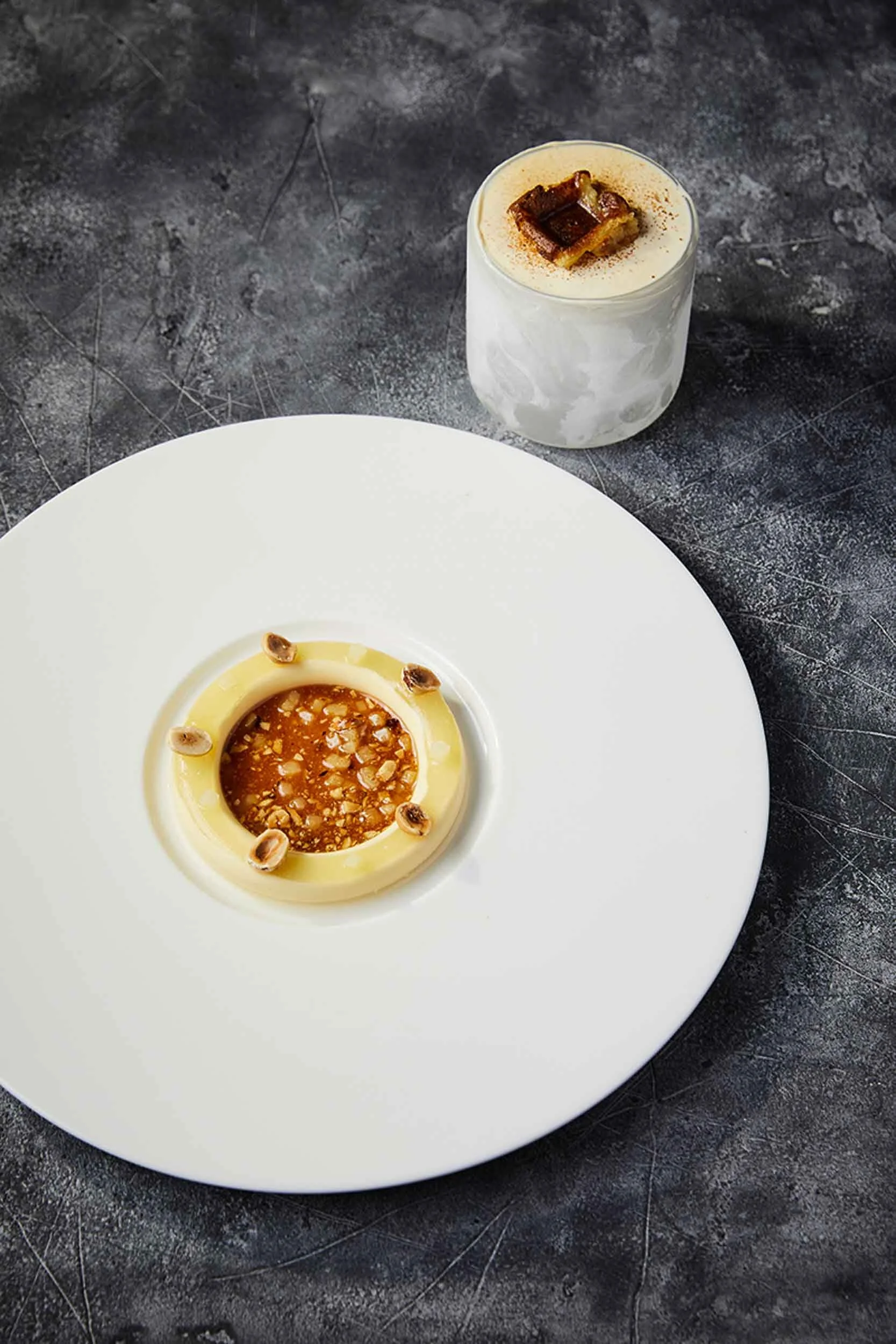
Rasmus Munk elaborated on picking a winner: “We unanimously felt, even if I were biased and obviously not allowed to have my points counted as far as his dishes were concerned, that Magnus showed the best effort. The best interpretations of the many facets of the potato.” - “I liked the fried potato ice cream of Alchemist the most,” added Jesper Koch, “good flavor, balance, sweetness, acidity, nice consistency, and thought. The starter and main were good as well, but the dessert was my favorite.”
And so, it came to be that a twenty-some year old hopeful chef from Alchemist came to steal the potato limelight of the year. Without personally seeming too shaken or challenged by the experience.
“Eh, it went okay,” he said, quite matter-of-factly in an interview moments before being declared the winner of the competition. Referring perhaps to a few mishaps and the number of power failures and other incidents that bugged the teams throughout the day. “That’s not an excuse, though. It is the same for everybody,” said the chef who claims to have felt no pressure presenting for and being judged by his boss, world-famous culinary prodigy, Rasmus Munk. “I don’t react to pressure. Well, only positively,” finished the soon to be winner.
- “I’m very happy,” added Rasmus Munk with a smile after the award ceremony, “he could have done some things better, but he is rightfully pleased.
He needs to keep practicing and learn that he needs not tell the judges of the mistakes he may have made along the way. They don’t know that they were supposed to have been served a whole waffle each but that the waffle iron broke.”
He needs to keep practicing and learn that he needs not tell the judges of the mistakes he may have made along the way.
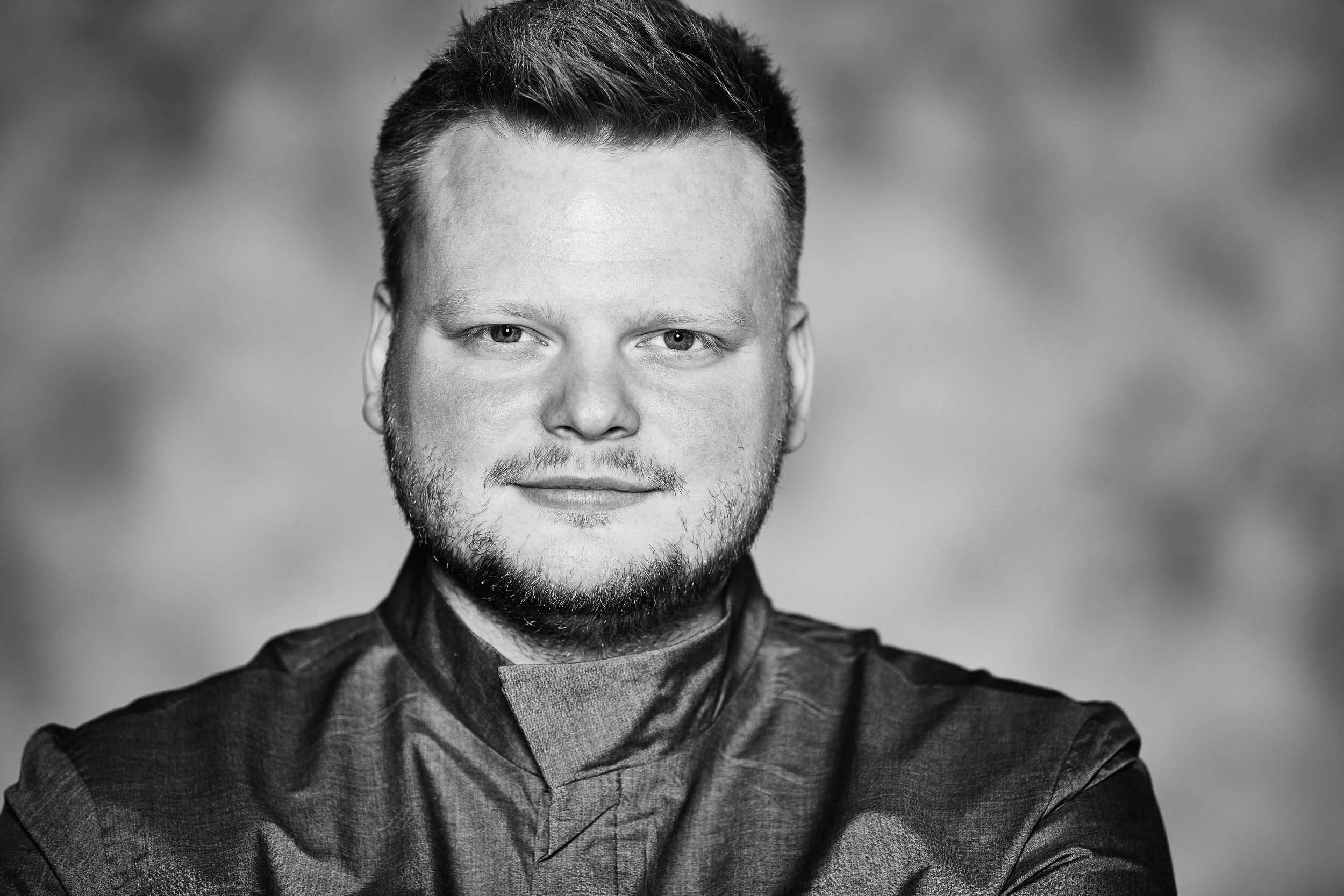
Rasmus Munk | Head Chef, Restaurant Alchemist
Minor flaws and personal reservation aside, the resilient young man can be proud of his efforts on the day. In less than six hours, he conjured up a beautiful three-course menu highlighting many facets of the often-overlooked potato. A menu unlike the molecular gastronomic wizardry normally seen at Alchemist. Still, however, a menu which featured extraordinary variation in texture and flavor, unusual elements like potato infusions and foams and an aesthetically pleasing visual presentation as well.
So how does the man himself feel about the experience as a whole? “Well,” explains the young man who admits to not being too fond of the repetitiveness of training for competition cooking, “it has been an interesting learning experience for me to get to know the potato in such depth. But if I’m honest. It will probably be a while before I want to see potatoes again,” he ended with a laugh.
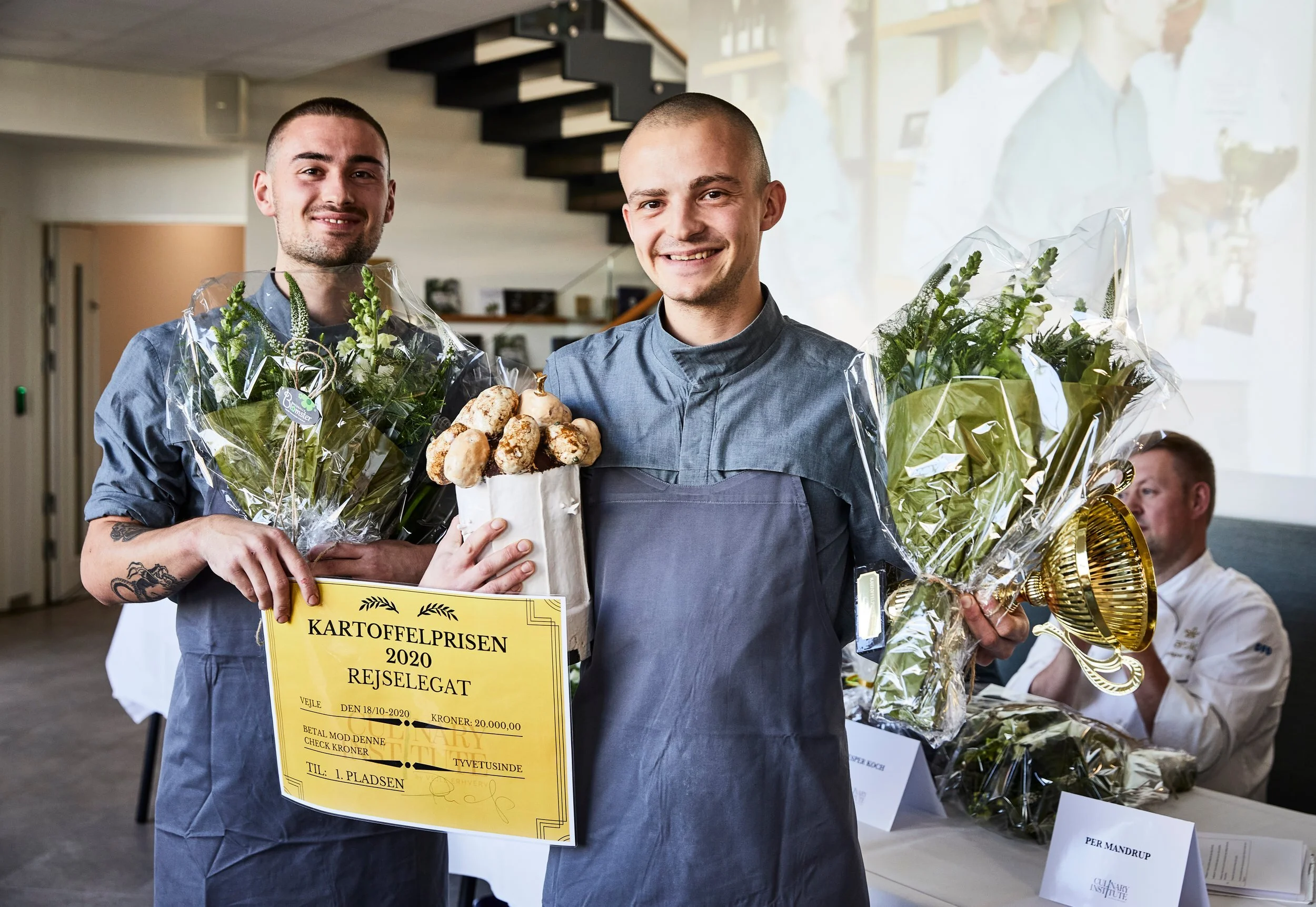
Magnus’ win, aside from the honor and a trophy, won him a DKK 20,000 travel grant that he can use to see the world and enhance his talent. Kartoffelprisen will return once again to Vejle in 2021. Hopefully, in a less restricted format featuring a new array of great young chefs and a live audience to add to the excitement.
Double-click to edit...
Double-click to edit...
