
Double-click to edit...
Hans Kjellsson
The rural kid from Jutland who became a sushi chef in Copenhagen
PUBLISHED
january 2022 ı PHOTO: Yeswefood
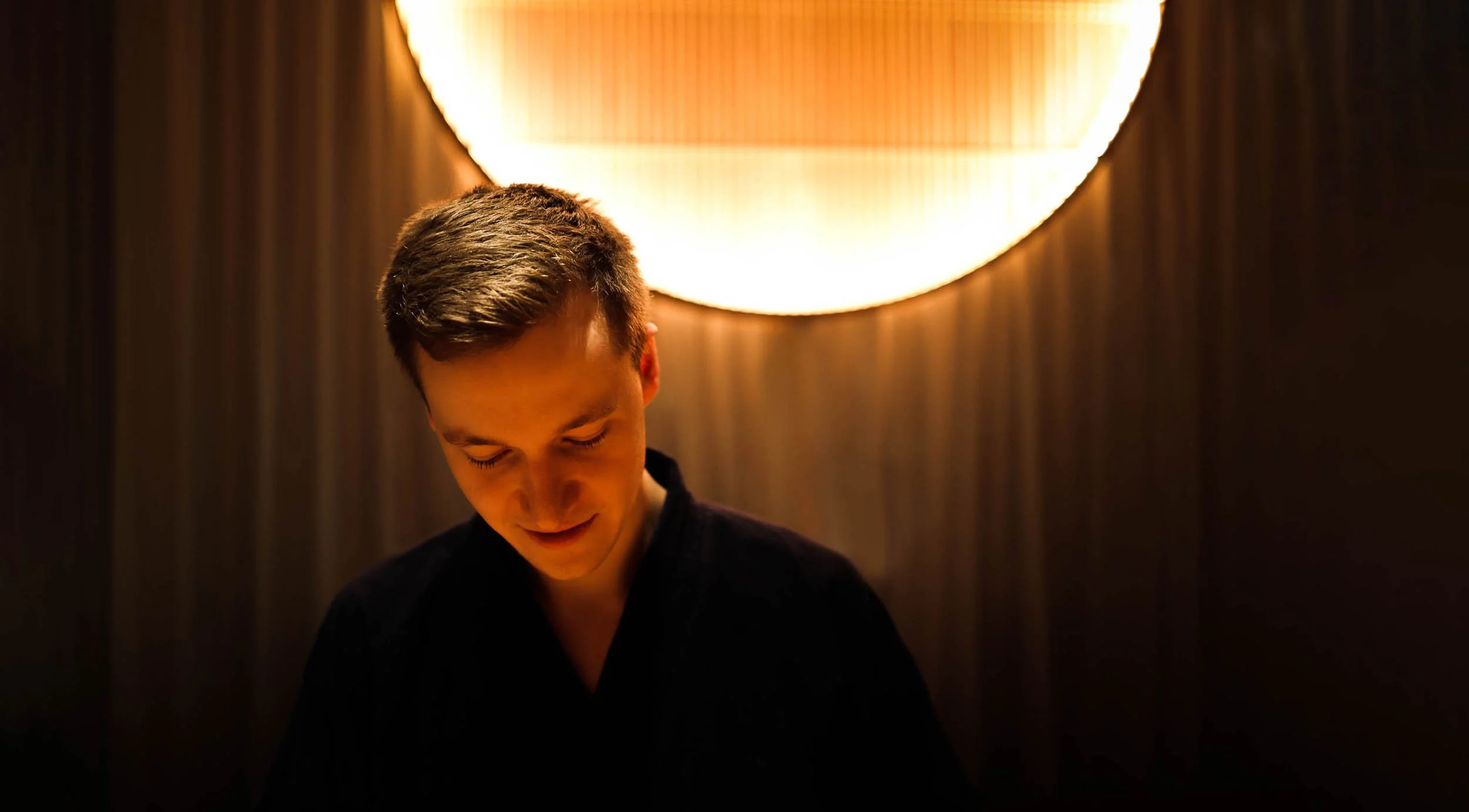
In a field of hopeful competitors in the 2022 edition of Sol Over Gudhjem Rising Star, Hans Kjellsson perceives himself as the odd one out. And he is fine with that. His years of working as a sushi chef puts him at a very different culinary space than his more classically founded competitors – for better and for worse. This is the story of the rural kid from Jutland who became a sushi chef in Copenhagen and now dreams of a post Corona life, working as a Chef in Japan.
“I may have some disadvantages compared to my fellow contestants,” he ventures carefully. “I mean, for starters we do not even use an oven in our kitchen. Actually, we use very little hardware at all in our kitchen.”
26-year-old Hans Kjellson laughs softly as he contemplates his chances against his fellow competitors in this year’s Sol Over Gudhjem Rising Star competition. “On the other hand, though, there are advantages, too, I am sure,” he muses. “I bring quite an alternative profile and alternative techniques to the table. I may even bring some entirely new flavors to back my efforts.”
The “alternative” candidate
Hans Kjellsson has no problem labeling himself as a bit of a wildcard for this year’s Sol Over Gudhjem Rising Star challenge. And for him to be perceived as “alternative” compared to his fellow competitors, is by no means something he perceives as negative. It is simply a reminder that his background is, well, quite honestly a little different from that of most competitive chefs.
Where his co-competitors, Giovanna Fiore, Marc Kaalund and Magnus Carlsen are perhaps more classically rooted, Hans Kjellsson has made a name for himself working for the notoriously Japanophile Mads Battefeld at the highly successful Sushi Anaba in Copenhagen. A rather alternative culinary background that Hans clearly sees as a challenge and an opportunity, when competing in a prestigious cooking competition. And a background that has helped instill in him a sense of calm professionalism and a Zen-like calm regarding the adventure ahead.
I think it is important to always maintain a certain level of calm.
Double-click to edit...
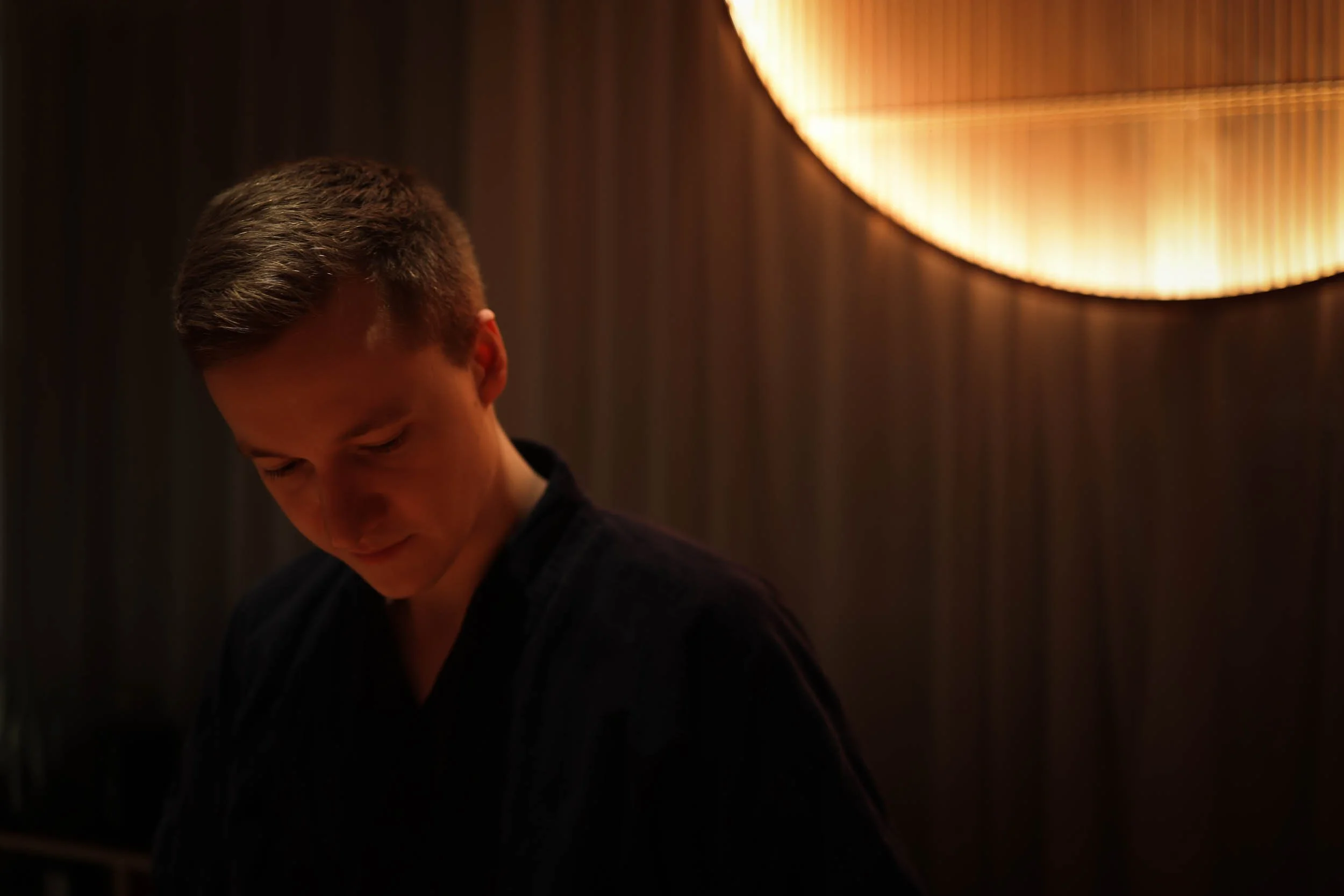
“I think it is important to always maintain a certain level of calm,” he says matter-of-factly in response to the task ahead of him. “Even when you are under pressure in a competitive environment,” he states with determination. “I hope to bring a bit of the calamity of service here at Sushi Anaba to a hectic environment like that of the Sol Over Gudhjem Rising Star competition.”
As he speaks, his words are a captivating mix of rural humbleness, coupled with personal pride and a level of calm that seem more mature than his 26 years of age. This, obviously, is not your regular competitive chef. He seems, in a way, calmer. But how did he achieve such a remarkable profile? That is a question that the humble young man himself struggles to answer.
I am very classically schooled, the Japanese influence that shaped me came in much later. Thanks to mads battefeld.
Double-click to edit...
From home cooking to sushi stardom
“Where to start,” he questions himself. “My dad used to do the cooking on weekends. I loved getting a chance to help him in the kitchen. Whether making pizza or more elaborate dishes. That, I think, is how it crept up on me,” he begins - and adds to that a love for watching “Spise Med Price”, a humorous, story-driven cooking show hosted by Danish TV personalities James and Adam Price. “I really enjoyed the storytelling aspect of the show. It inspired me to experiment with classic dishes from scratch, play with techniques and appreciate quality ingredients, those sorts of things,” he remembers.
Childhood dinners and TV shows are indeed a great source of inspiration for many. But it has still been a long, exciting journey from nights in front of the tv to his current peace of mind as an accomplished sushi chef. A journey that started with an apprenticeship at Restaurant Hærværk in Aarhus where he quickly developed a love and feel for working with local sustainable produce, quality suppliers, nose to tail cooking and other core values of modern Danish cuisine.
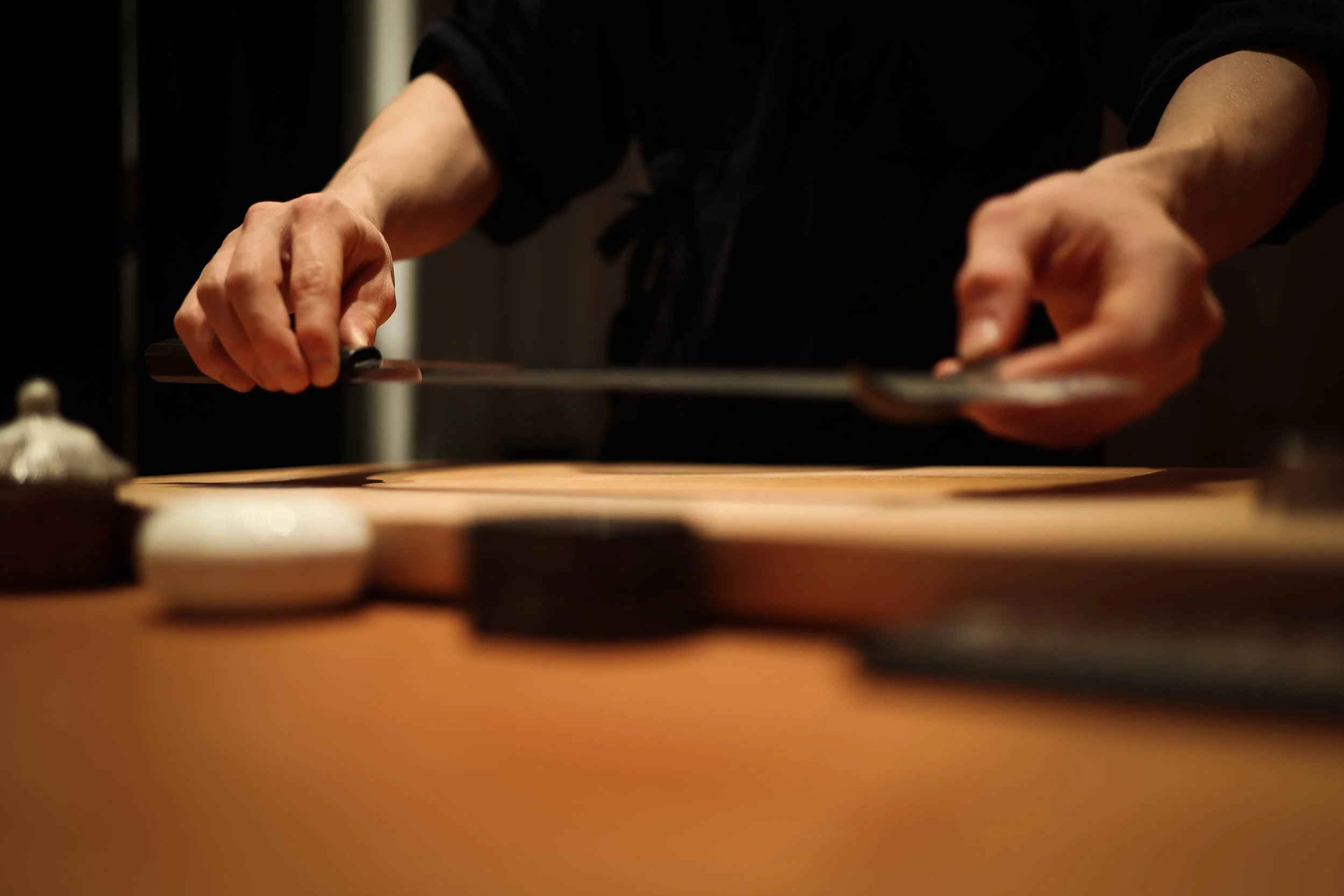
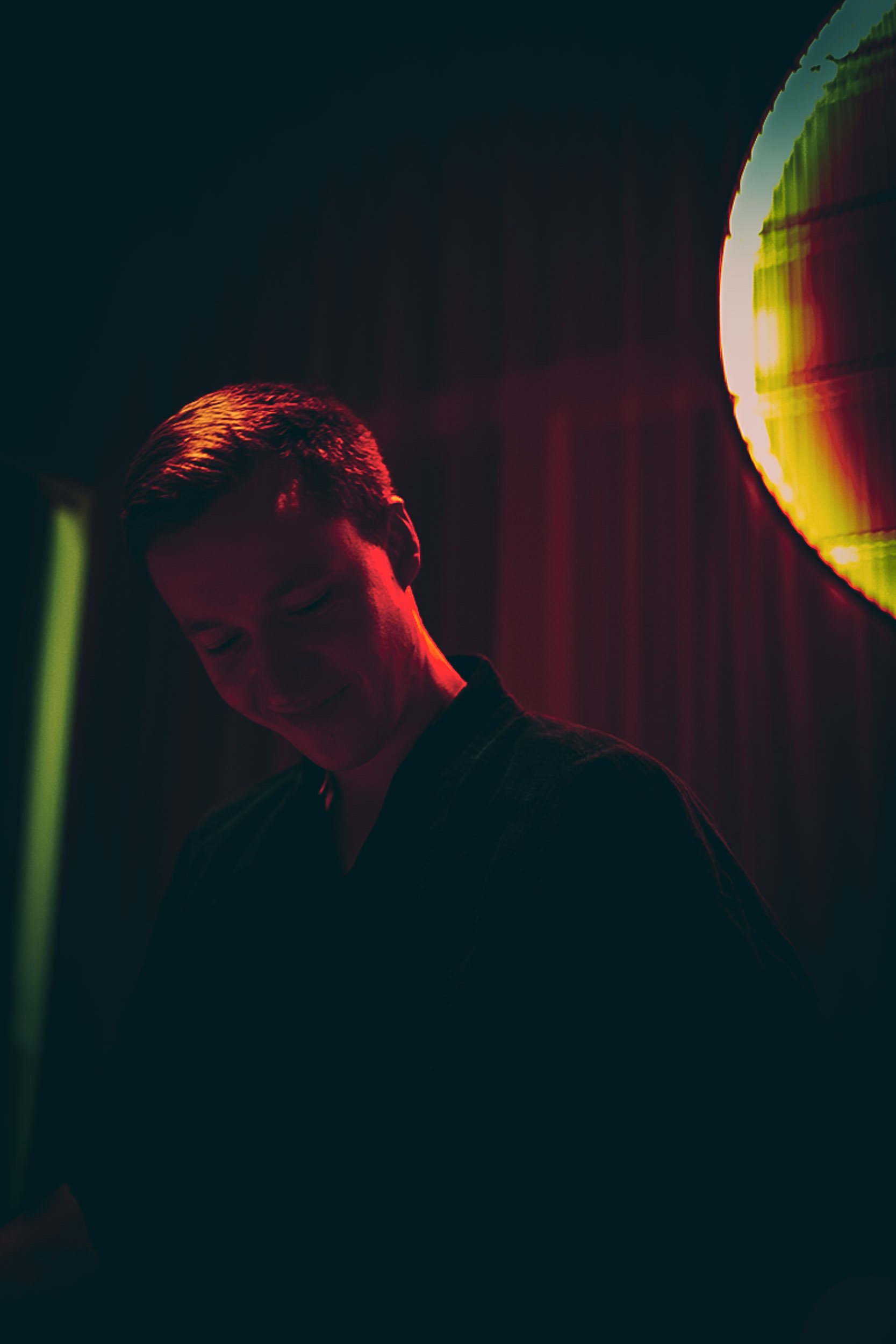
However, Hans reveals, his unique focus and his sense of calm probably first came about when he moved to Copenhagen and started working with his current culinary mentor, Danish sushi chef phenomenon, Mads Battefeld. “I am very classically schooled,” he says, “the Japanese influence that shaped me came much later. Thanks to Mads Battefeld.”

Culinary dreams of Japan
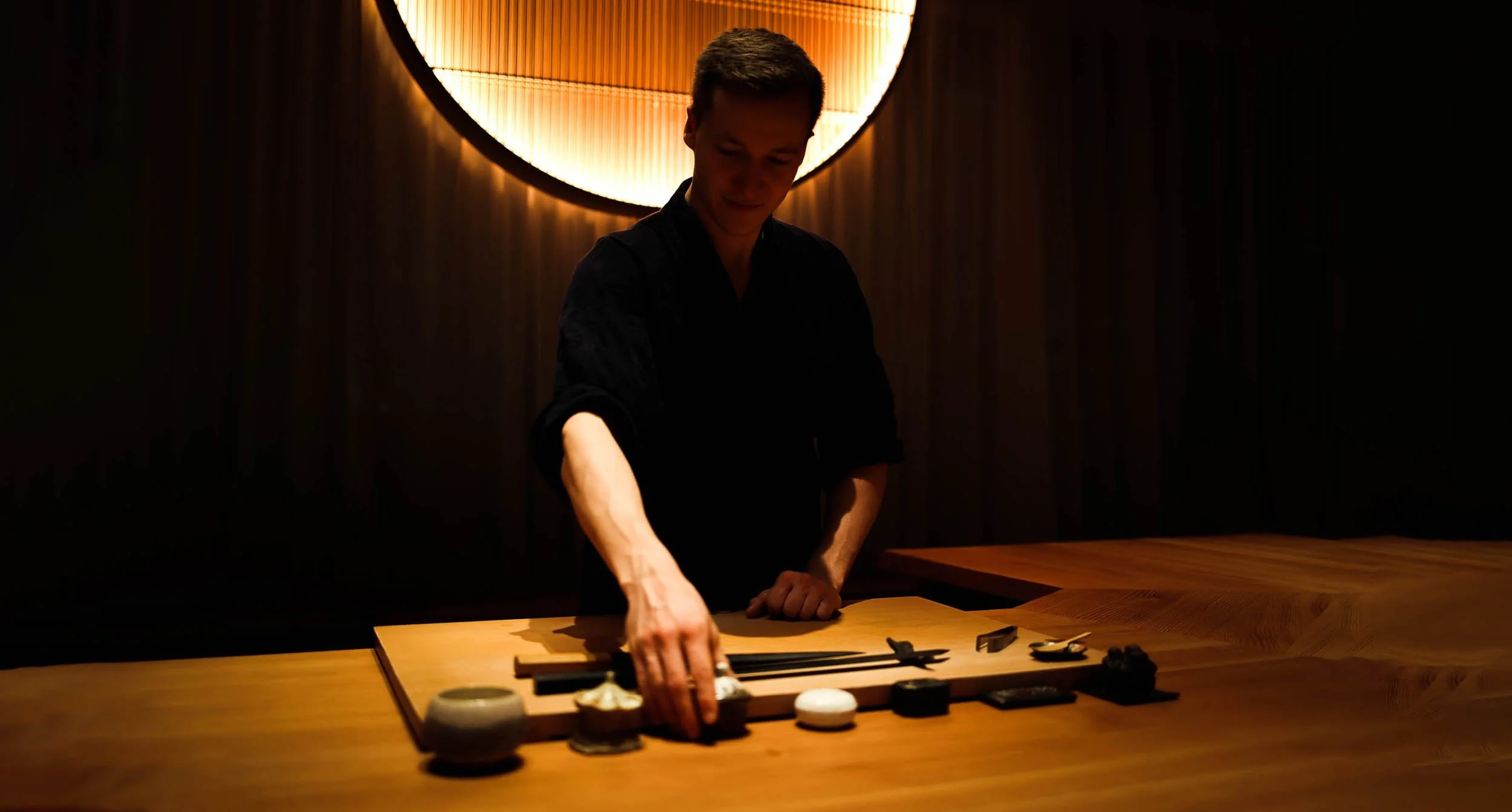
“Mads,” he explains in awe, “took a trip to Japan and spent years learning his craft. That truly impressed and inspired me. As does the way he spends every day honing his skills. How he remains calm and relaxed during service. How he exercises the surplus energy needed to entertain our guests and prepare their food at the same time. His balance and flow is hard to match and it is incredibly inspiring.”
“He is a great role model,” Hans continues “His ways of passing on knowledge are, rather appropriately, quite Japanese. You are allowed to make mistakes and learn from them before being shown how to do things properly. You are allowed to ask questions and you are offered hints and directions along the way. I am constantly inspired to practice. It is an incredibly rewarding way to work.”
I am not sure I could spend five years, though, learning how to cook rice as sushi chefs do.
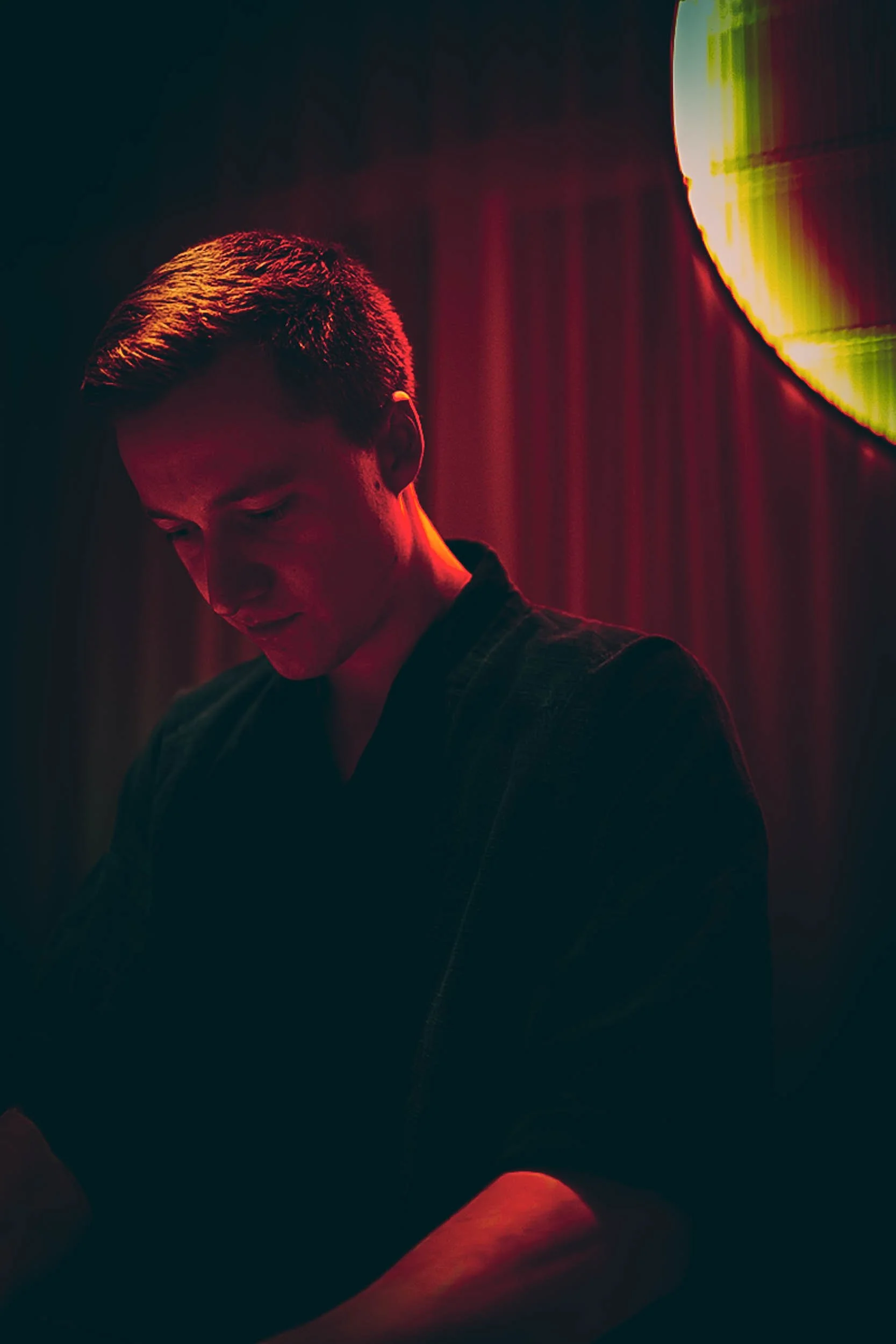
Japan is a completely different world. In terms of culture and cuisine, Hans explains, and a great source of inspiration for his work. There is a general aura of respect, he says, in the way chefs devote their attention to every little detail. “The perfectionism. It is so exciting. You experience totally new ways of looking at things and of cooking them,” he says gleefully, revealing that he himself plans to one day travel to Japan to perfect his skills and mindset.
“I am not sure I could spend five years, though, learning how to cook rice as sushi chefs do,” he says with a very Danish sense of keeping things simple and grounded, “but there is still a level of beauty and dedication to Japanese cuisine. I want to really experience the flavors and techniques of the Japanese kitchen. Taste the food of the countryside, go back to the city, maybe work at a crammed yakitori joint or a sushi restaurant. I want to find my own way.”
Double-click to edit...
Competition is an opportunity for growth
As for right now, though, his full focus is on the rising Star competition at hand. “I have explored the field of competitive cooking during my apprentice years,” he reminisces, “but never in my years as a trained chef. What I love about competitions is that they force you to improve, they make you more creative and more independent”
“As a chef,” he reasons, “you put so much time and effort into a competition, but it offers you so much return on your investment. I want to challenge myself; I want to constantly remain focused, and I want to keep myself on top of my game. Competitions are a great way to do that”.
What I love about competitions is that they force you to improve, they make you more creative and more independent.
And, for Hans, the quiet, young man from rural Denmark who became a sushi chef in Copenhagen, competitions are also an opportunity to grow even further. “It is no secret that there is a great professional network around Sol Over Gudhjem Rising Star,” he smiles with determination. “And that it will be a great chance to showcase my talent and seek new opportunities. The fact that established chefs, your personal role models, will be tasting your food is both a little unnerving and incredibly inspiring and humbling.”
It is a daunting experience perhaps for a man aged only 26 to participate in his first major competition, but at the same time, it is a return to something familiar and something he loves doing. And it is a chance, he hopes, to inspire other young chefs to pick up the torch.

Double-click to edit...
“I hope to inspire others with my passion and my willingness to share this passion and my knowledge. For newcomers in this industry, I believe it is crucial that you are met with passion and that you quickly find your proper inspiration as well as the proper starting point of your journey. If you do, hopefully your trip could begin just like mine, absolutely perfectly,” he finishes his recollection in a full-circle sort of manner.
“I was rewarded with responsibility very early, I had my hands on a lot of wonderful produce, I followed the seasons, worked with entire animals and I met some great people. To feel this connection with the industry and the people in it, with the local, dedicated producers and all their hard, wonderful work, is so important. It makes you happy. And it is worth all the long hours.”
To feel this connection with the industry and the people in it … It makes you happy. And it is worth all the long hours.
