
Double-click to edit...
fatmata binta
The whole world has a lot to learn from my African tribe, says 2021 Best Chef Rising Star winner
PUBLISHED SEPTEMBER 2021 ı PHOTO: yeswefood
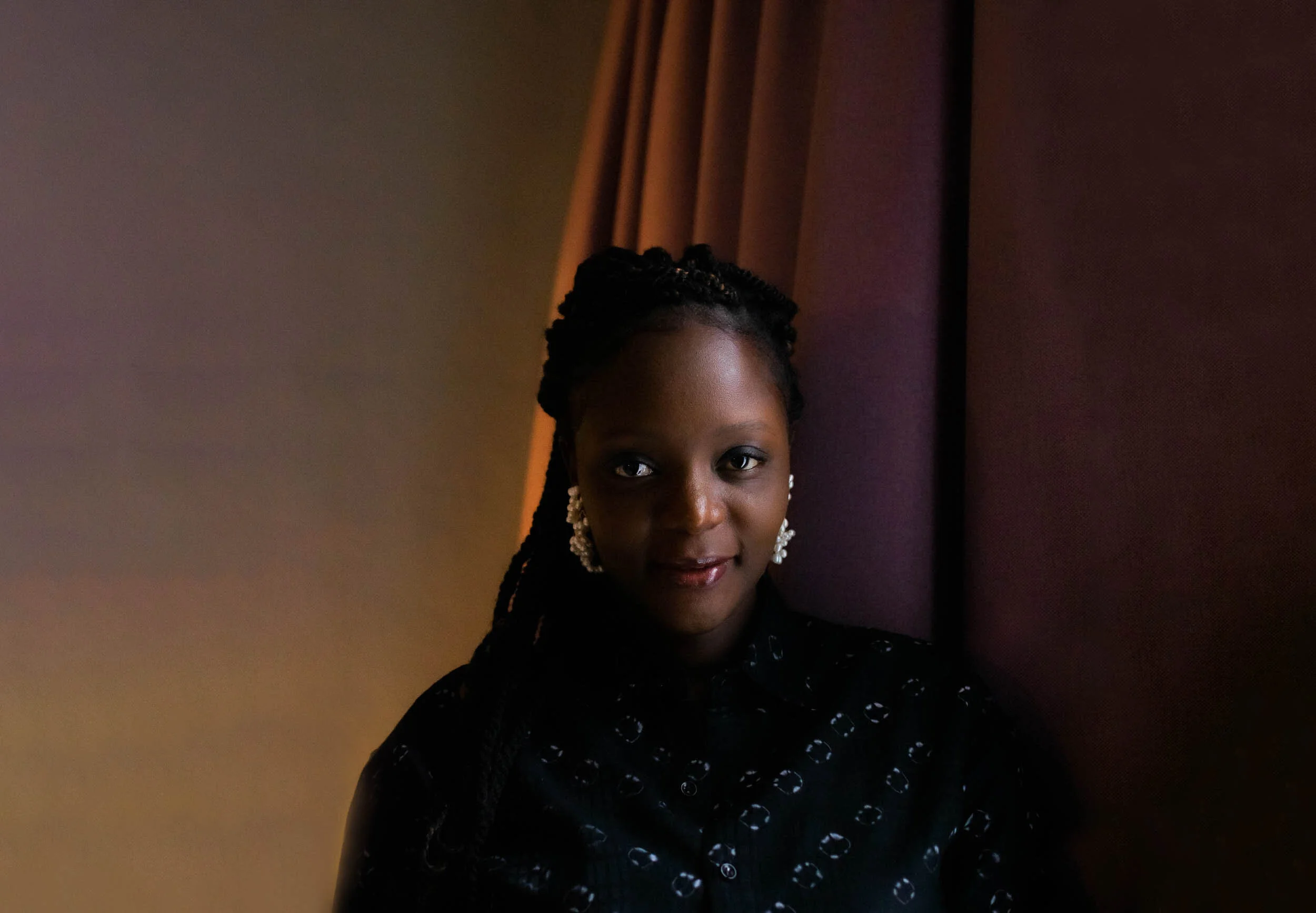
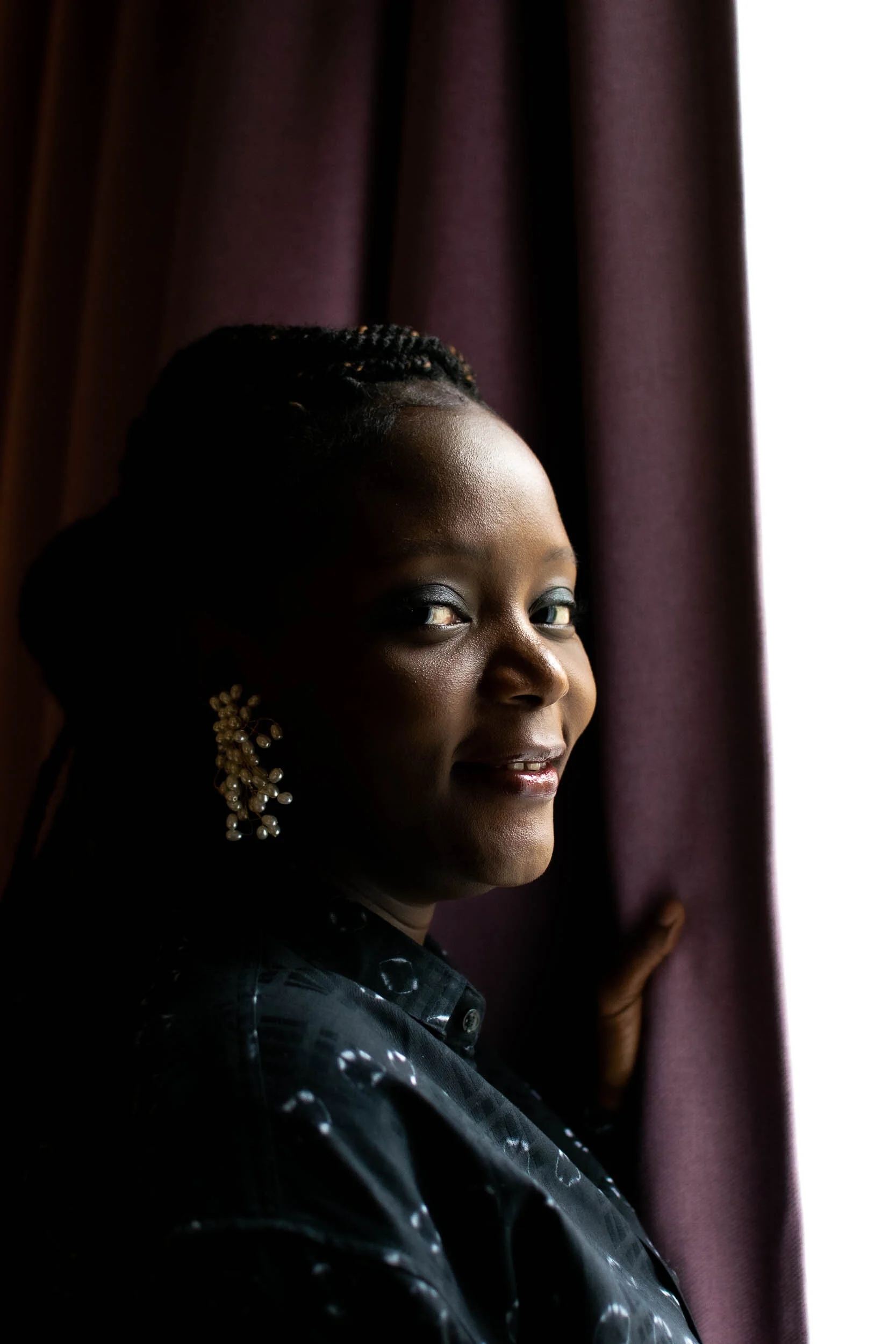
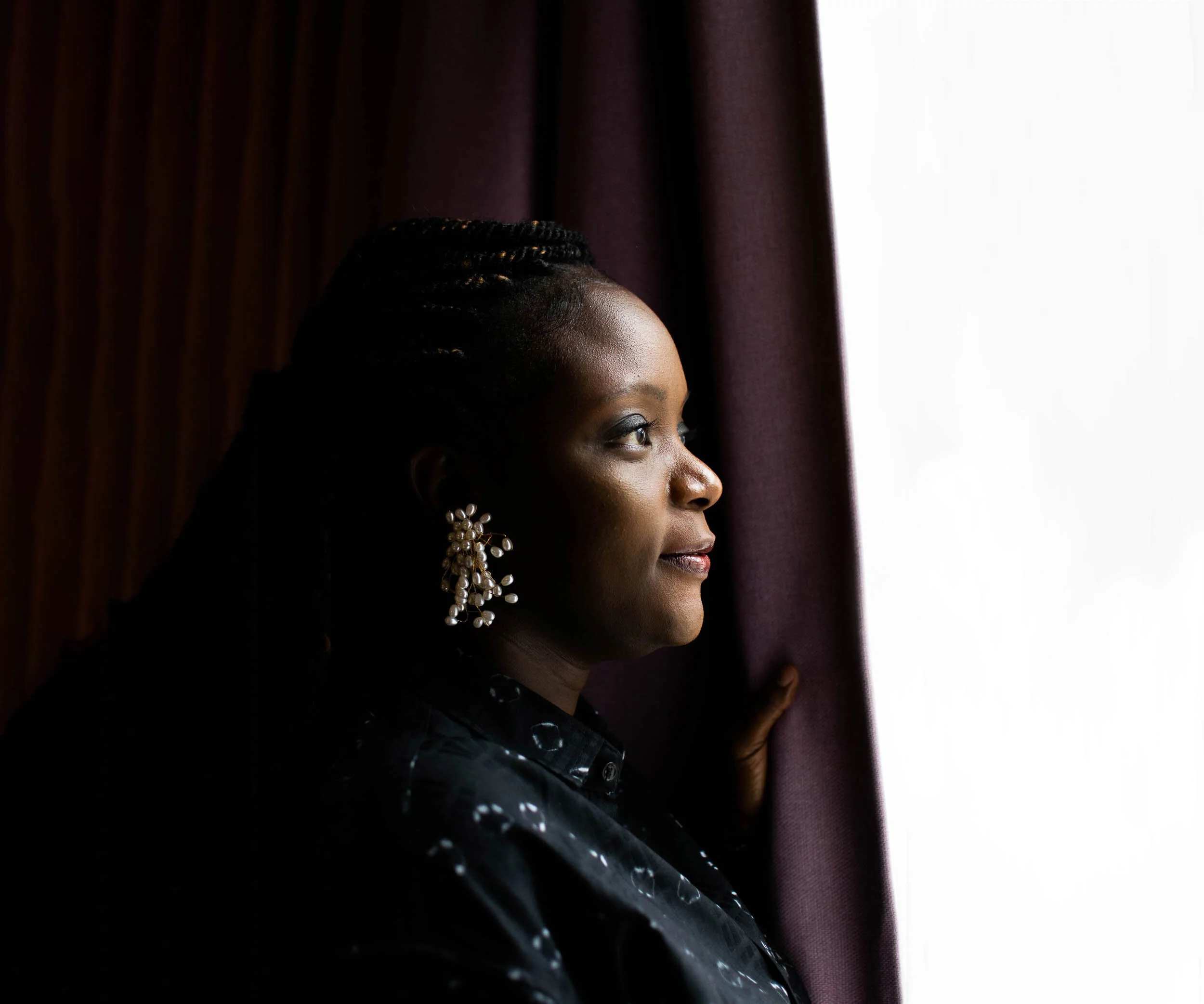
Born and raised in Freetown, Sierra Leone to parents of Guinean descent, Fatmata Binta relies on ancient ways taught to her by growing up part of a nomadic tribe to create new sustainable dining experiences for modern day diners. She describes herself as a modern nomadic chef and believes that the world could learn a lot from observing the ways of her culture and ancestors.
“The reason I started this journey is because of fond memories. My fondest memory was of growing up with my family. My grandparents. Back in the village where things were more simple and everything was done from scratch.” So begins the very personal and very passionate tale of Chef Fatmata Binta in her own words. “I try to go and replay those moments that I know I will never relive again. The village is dying, the young people are leaving, only old people are left. I loved those experiences and I want to keep them alive in my head,” she solemnly confesses to Yeswefood.com
I try to go and replay those moments that I know I will never relive again. The village is dying. I loved those experiences and I want to keep them alive in my head
The recent Food Meets Science conference at Best Chef Awards 2021 in Amsterdam offered many interesting new takes on sustainability and culinary development. Yet few were as captivating as the talk of a young, Sierra Leonean woman who won the hearts of the audience and the chefs in attendance, along with a well-deserved Rising Star Award, with her extremely traditional and down to earth views on sustainability and low-impact cooking.

Double-click to edit...
When sustainability is not a trend, but second nature
“Food is the greatest transporter of culture,” said visibly impressed ex-Michelin starred chef, culinary director of Lufthansa Airline Catering and space food pioneer, Jörg Hofmann, following her talk, “sustainability is no longer just a trend, it is a need, and it is unbelievable how sustainable these initiatives are.”
Read also: The Best Chef Awards 2021: Back to “Live”, Back to Reality
Indeed, to Chef Binta, sustainability is not an initiative, nor is it by any means a trend. It is second nature. Chef Binta traces her cultural and culinary roots back to the Fulani tribe people, something she, as a modern African woman, is, indeed, very proud of. The Fulani, she explains, are the largest nomadic tribe in Africa. A people that have spread across borders and even the African continent as a whole. A people who have molded the base of her character, her culinary roots, her stance on sustainability in a modern world, and even conscious use of traditional West-African ingredients, flavors and traditions.
“When you enter my restaurant,” she explains, “you take off your shoes. There is a sign. ‘Your adventure begins here, please take off your shoes.’ It is a full experience of African culture. It is an invitation to be part of the culture.” So she describes her restaurant, Fulani Kitchen, where she mixes her nomadic roots, classical training and love for rural life with traditional ingredients and values instilled in her by her ancestors.
Her dishes are authentic yet modern and environmentally conscious, reviewers would argue, but to Chef Binta, they are more than that. “I consider my cuisine very bold,” she willingly admits. My food is for adventurous diners.”
Double-click to edit...
I am going to take that thing you were going to throw in the trash, and make it absolutely mind-blowing. I will trigger all your senses with something you would otherwise want to throw away.
Her menu consists of traditional ingredients: ancient grains, plants, vegetables, even offal which serve as an important part of the Fulani tribe's sustenance. For this experience ,she charges 120 dollars, knowing fully well that a lot of diners will meet her with questions to the tune of “Why should I pay 120 dollars for something that I would otherwise throw in the trash?”
For such questions, however, Chef Binta is ready with an explanation and a sly smile: “Because I am going to take that thing you were going to throw in the trash,” she smiles “and make it absolutely mind-blowing. I will trigger all your senses with something you would otherwise want to throw away.”
Putting it that way, it sounds like a gimmick. But looking deep into the powerful eyes of the African woman, it becomes clear that it is not. Sustainability is at the base of her culinary DNA. The art of gentrifying what some would label as simple and less desirable is but her way of paying her deepest respect to her roots and the sometimes harsh continent that gave her life and spirit.
If you look at my tribe, I believe they will inspire you
“My food is sustainable,” she nods. “I come from a tribe of what you would consider minimalist people. They do not collect too many things because they live simply and are always on the move. If you think about all the problems we have today and the changes we try to make to mitigate them. They are caused by people having too much and consuming too much. If you look at my tribe, I believe they will inspire you. They live with so little, but they are so happy,” she smiles brightly, “and they are very hospitable people. If you look at the Fulani tribe, there is just so much to learn. About how we should consume less of what we do not need, and more of what we need. And how we should be conscious in our choices regarding food.”
“I will give you an example,” she chuckles, “and I love this. We, the Fulani, raise cattle. A lot of people expect us to eat meat. We do not. And you know why?” The Fulani are so good at the craftsmanship of beef, she goes on to explain. They know how to raise cattle. They know how to slaughter cattle. And they know how to butcher cattle. They know how to do so, not for their own, selfish dietary needs, but because they live and thrive off of selling the meat to locals as a business and a way of funding their nomadic lifestyle.
Double-click to edit...
When you pause to take in food and have a conversion. That is powerful. That is very powerful indeed.
They hardly ever eat meat themselves, Chef Binta explains. At least not in the common sense of the word. They eat the by-products that would otherwise go to waste because to the Fulani, making the most of the gifts that were given them by nature is the right thing to do. “We happily consume everything else that most modern people do not consider edible like the tongue, gut, feet, testicles, intestines,” she trails off for a moment before bouncing back with a laugh. “Calf testicles, I served that on my menu and I absolutely loved it because of the conversation that took place.”
“To me, dining is about community building,” she ends her beautiful tribal tale on sustainability and culture. “We are always in such a hurry to go and try new things. We do not take time to pause, sit down and have a proper meal with someone and get to really know them. When you pause to take in food and have a conversion. That is powerful. That is very powerful indeed.”
