
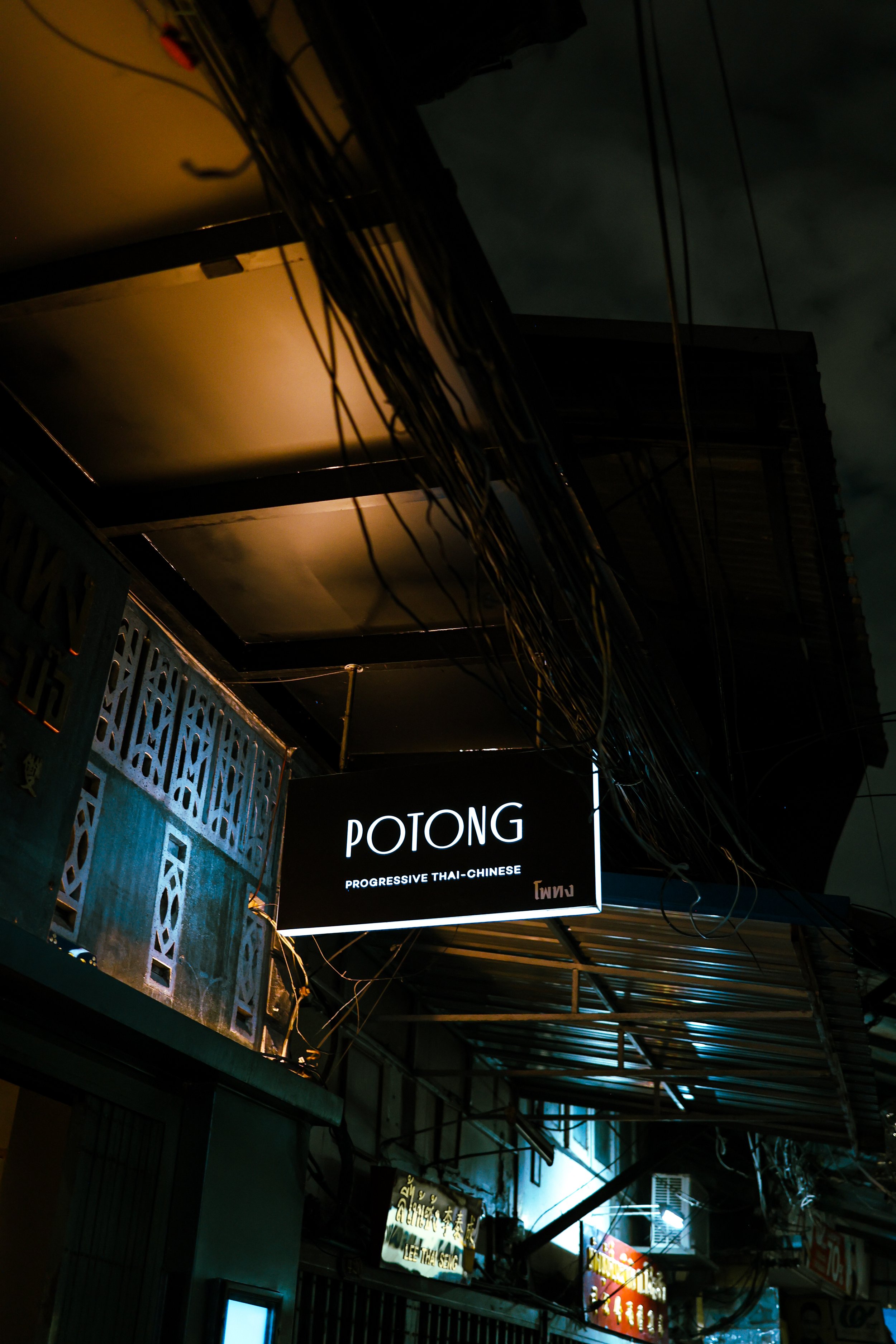
POTONG
The Art of Evolution: How Potong Rewrote Its Own Story Without Leaving the Past Behind
PUBLSHED April 2022 ı PHOTO: yeswefood
After becoming one of Bangkok’s most celebrated dining destinations, Potong could have chosen the easier path: preserve what worked, protect its reputation, and continue serving the experience that made it famous. Instead, Chef Pichaya “Pam” Soontornyanakij chose something far more challenging, to question it. In June 2026, Potong reopened after a major transformation, becoming smaller, more intimate and more focused, proving that the future of tradition is not found in preservation, but in evolution.
Bangkok has always been a city in motion. It is a place where old and new rarely exist separately. Wooden shophouses sit beneath modern towers, generations-old family businesses operate alongside ambitious young chefs, and centuries of migration continue to shape the identity of one of Asia’s most dynamic culinary capitals.
Nowhere is this contrast more visible than in Yaowarat, Bangkok’s Chinatown. By day, the neighbourhood moves to the rhythm of traditional medicine shops, gold merchants and family restaurants that have survived through generations. By night, the streets transform into one of the city’s most energetic dining destinations, where heritage and reinvention meet under the glow of neon lights.
It is here, inside a 120-year-old building that once belonged to Chef Pam’s family, that Potong has built its identity. But after years of international recognition and a rapid rise to becoming one of Asia’s most talked-about restaurants, Potong has decided not to stand still.
In mid-June 2026, the restaurant reopened after a major renovation that marked the beginning of a new chapter. The dining room was redesigned with fewer seats, the kitchen was upgraded, the wine cellar expanded, and an entirely new tasting menu introduced. It was not a change driven by necessity. It was a choice.
At a moment when many restaurants measure success by becoming larger, Potong chose to become more intimate. The focus shifted away from volume and towards precision, creating more space for the team, the ingredients and the experience itself. The result is not a different Potong. It is a more complete expression of what Potong has always been.
A Restaurant Built on Memory
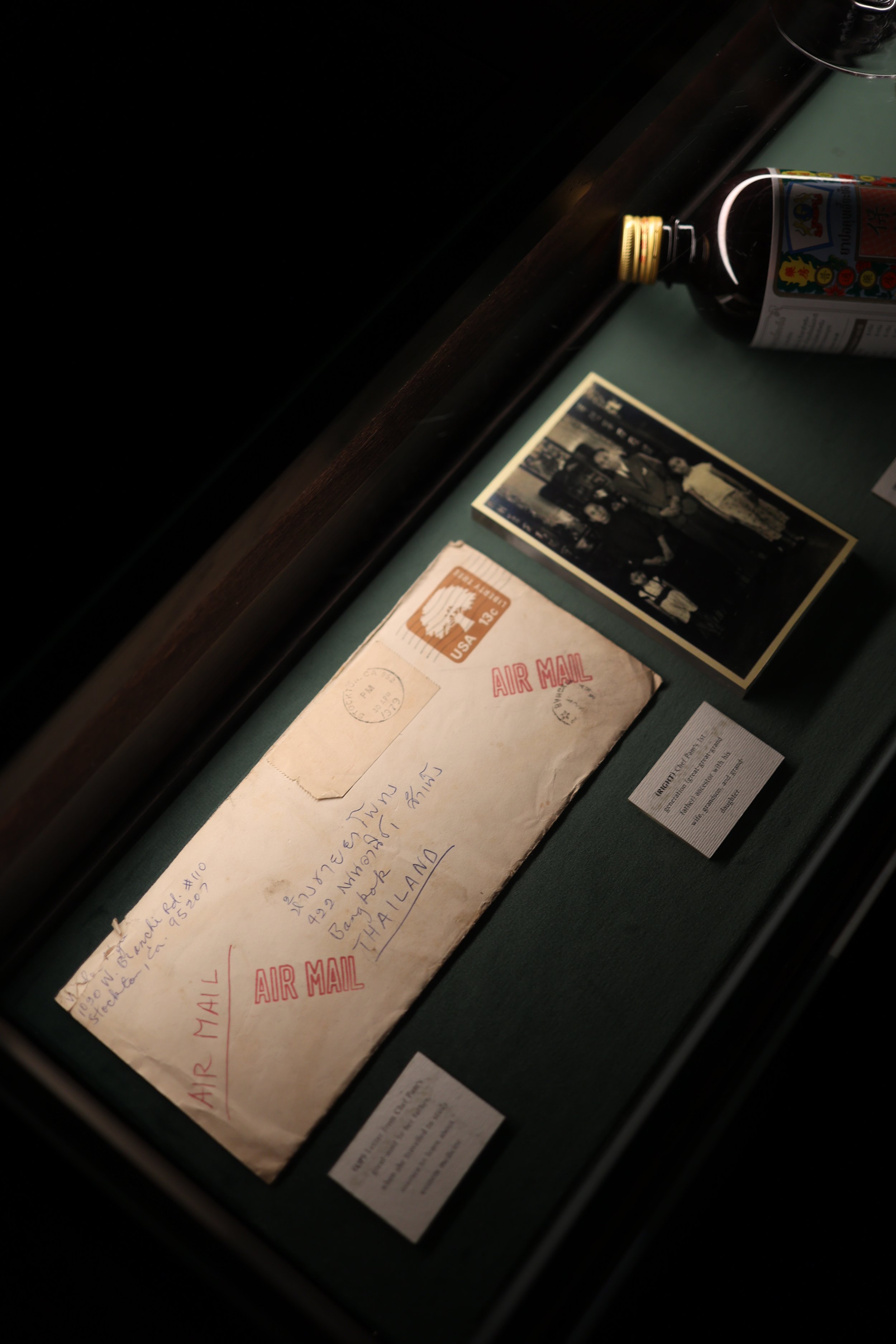
Before Potong became a destination for modern Thai-Chinese cuisine, it was a family home and a place of healing. The building that now houses the restaurant was once the site of Chef Pam’s family’s Chinese herbal medicine business. For generations, the space was connected to the idea of balance, understanding ingredients not only through flavour, but through their relationship with the body and wellbeing. That history remains deeply embedded in Potong’s identity.
The restaurant does not treat heritage as decoration. The old wooden beams, narrow staircases and traces of the original building are not simply aesthetic choices designed to create atmosphere. They are reminders that cuisine does not appear from nowhere. It is shaped by migration, memory and the people who carry traditions forward.
For Chef Pam, the challenge was never recreating the past exactly as it was.
The past is already preserved. The more interesting question was what could be built from it. Potong was born from the meeting point between her Thai and Chinese heritage, between the flavours she grew up with and the curiosity of a chef looking beyond familiar boundaries. It became a restaurant that explored identity rather than simply representing it. In many ways, Potong is a conversation between generations. The first generation created the foundation. The next generation asks what that foundation can become.
The Patience of the Duck
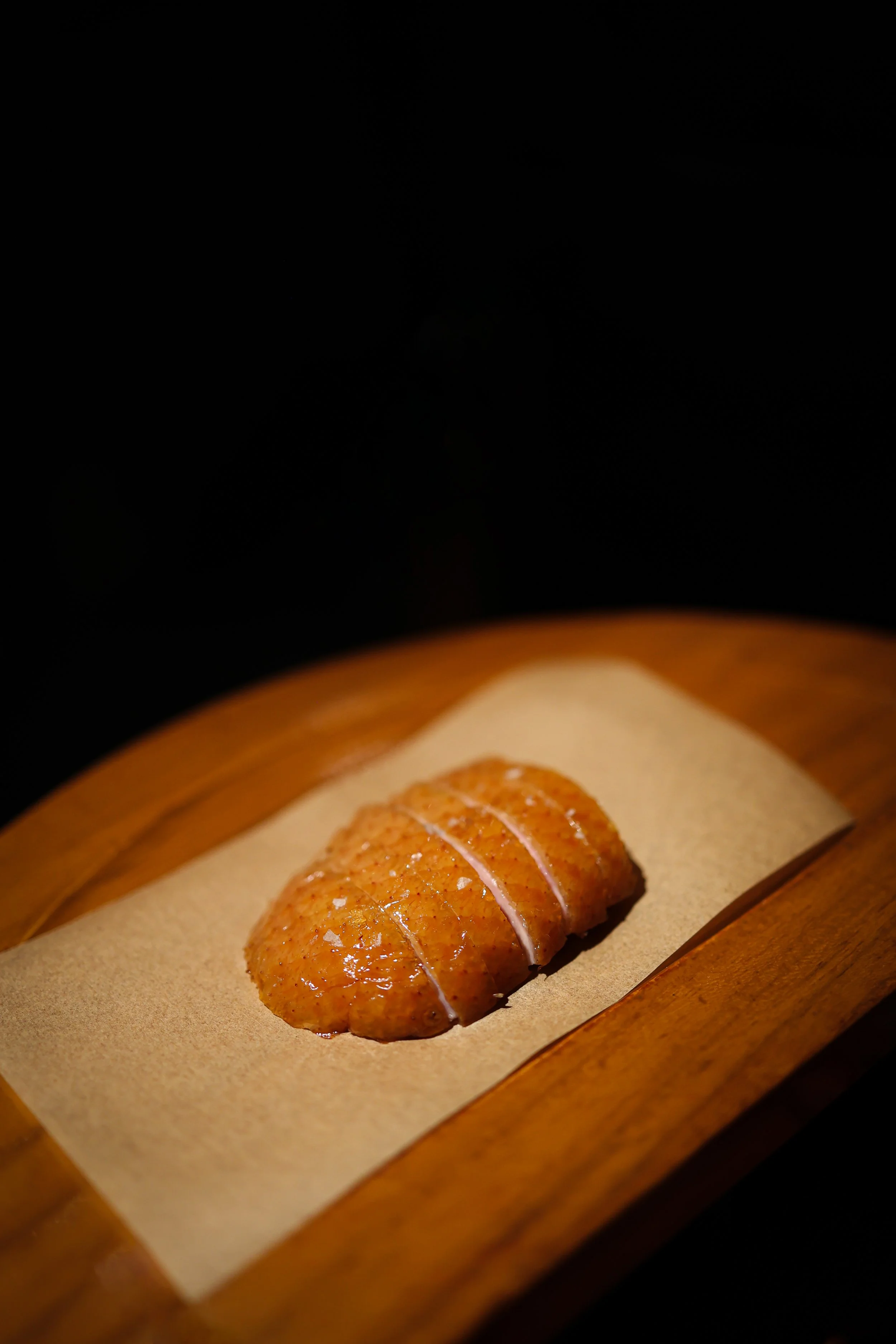
One dish captures the essence of Potong’s evolution: the duck. It is a dish that reflects patience, technique and respect for the ingredient itself.
The duck is dry-aged for fourteen days, allowing time to transform its character before it reaches the plate. The process intensifies the flavour while creating a remarkable contrast between texture and richness.
The skin carries a delicate crispness, while the meat beneath remains deeply succulent. It is a preparation that does not rely on unnecessary complexity. Instead, the technique exists to reveal the ingredient.
Daring, provocative and deeply satisfying
As mains came along, dishes went from far beyond solid to something delightful and impressive. The sort of cookery that makes you pause, mid-conversation, and study the plate. The hero dish, cervelle de veau à la grenbloise, or pan-fried veal brain with capers, surrounded by satellites of croutons and rustic chunks of lemons from Menton, that exploded in fireworks of sweet acidity on the tongue. Veal brains, not usually an aesthetically pleasing dish, become not only enticing but an absolute delicacy and a work of art at Brasserie Prins. Balanced, perfectly textured and downright scrumptious. A dish that perfectly encapsulated the feel of Brasserie Prins, daring, provocative and deeply satisfying.
Similarly warm, fuzzy feelings arose with the vol au vent aux champignons. Another decadent puff pastry creation, this time filled with several kinds of mushrooms from local Bygaard farm. A savory mixture of umami laced in an almost overwhelmingly richly flavored sauce to create an outrageously decadent guilty pleasure that should really only be devoured behind closed doors.
Tantalizing zing
What about dessert, you may wonder? When asked, the cheery, service minded waitress promptly suggested the Tarte au Citron de Menton made with lemons from the French part of Côte d’Azur, known for their moderate acidic flavor with no characteristic bitterness and their incredible sweetness. A lewdly glossy, sweet wonder with a perfectly baked crust and a tantalizing zing. Like the rest of the menu, it followed a classic formula of classic French perfection with a slight modern edge . A delectably sweet and satisfying end to an emotionally overwhelming meal.
In short, Brasserie Prins offers casual, unpretentious dishes that are, above all, reliable and reasonably priced. Chef Harrison’s often voluminous servings play out like a series of small acts that are perfectly in tune, yet with a beautifully edge to them. A setting that features everything from classic homey comfort to pictures of naked ladies on the wall and a friendly yet laid-back attitude. This all-day, all-week brasserie is soul-warming and intimate. Essentially, a perfect card to have up your sleeve for a night out with a bunch of friends. Or perhaps even a fun-filled, informal first date out of the ordinary.
Potong
Price range: High-end dining
Cuisine: Progressive Thai-Chinese
Where to go: Yaowarat, Bangkok, Thailand
What to expect: A historic Chinatown setting, refined service and a tasting menu built around heritage, memory and transformation.
What the vibe is like: A century-old building reimagined into one of Bangkok’s most thoughtful dining experiences.
What to order: The tasting menu, with the 14-day aged duck as one of the defining moments.
