
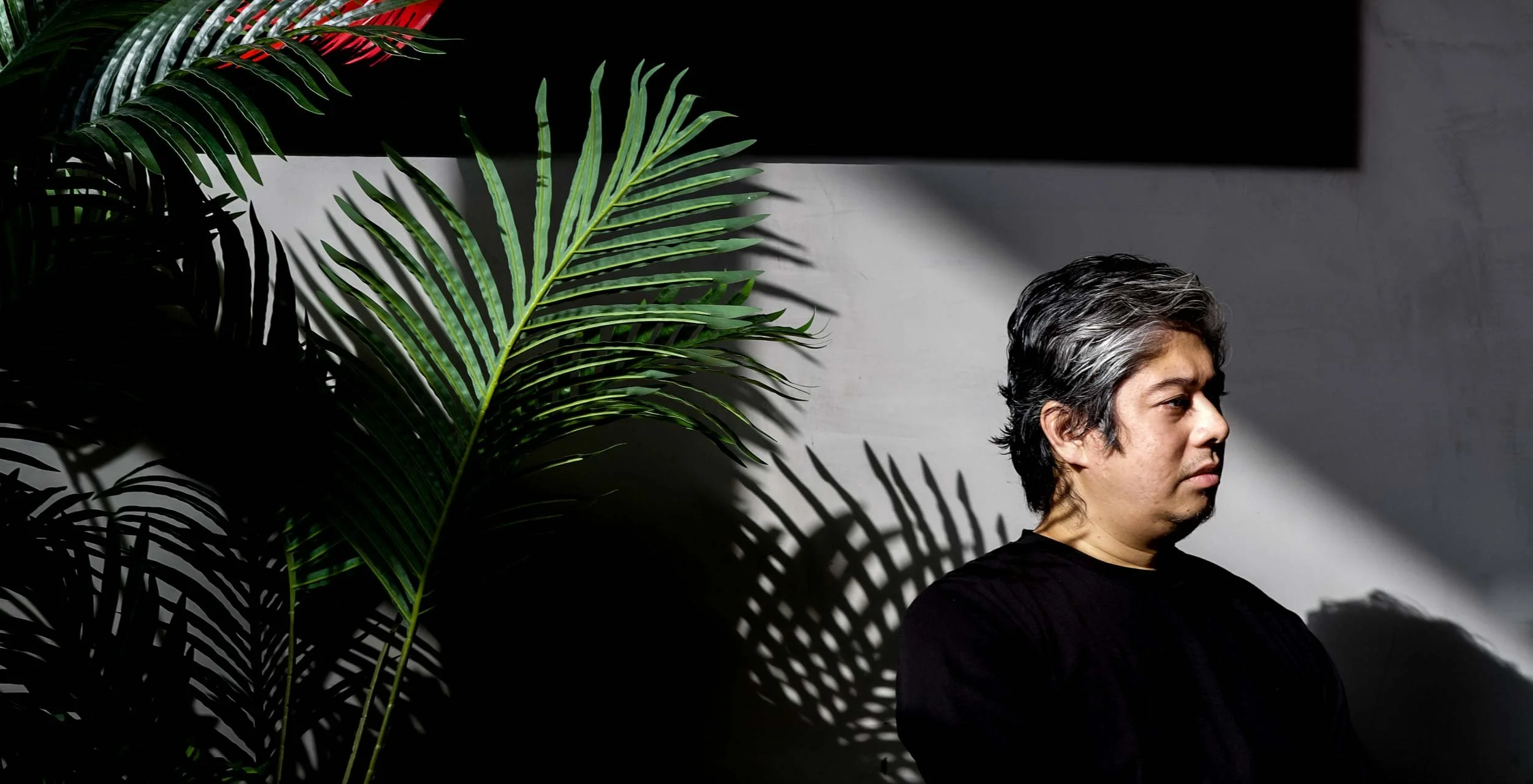
Double-click to edit...
Akmal anuar
“This is my life’s work”
PUBLISHED november 2021 ı Photo: Johan Marsland x yeswefood
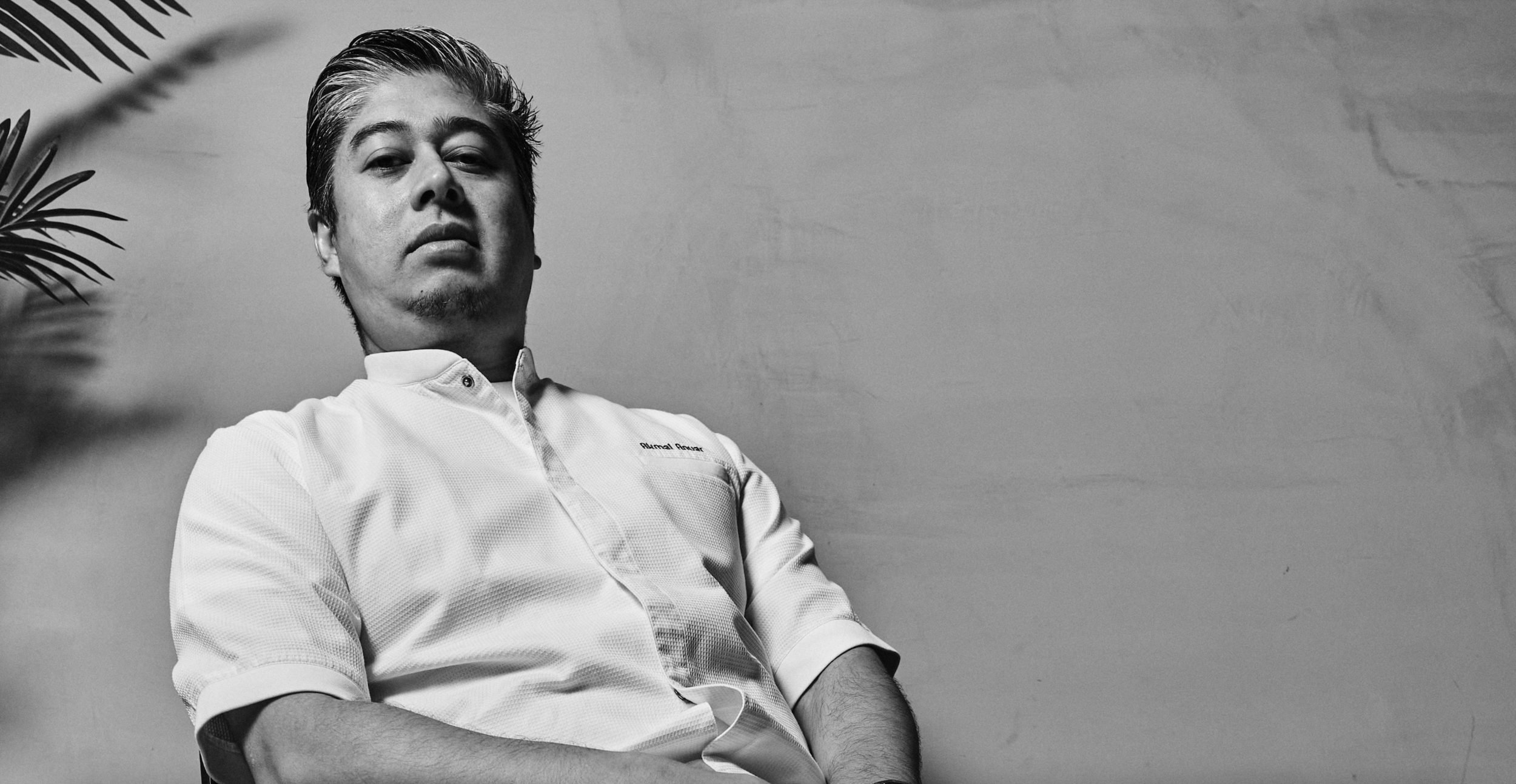
The restaurant world seems full of glamor - yet is often far from a limelight dream. In December, Akmal Anuar opens 11 Woodfire in Dubai. A restaurant he describes as his culinary heritage, his life’s work and the culmination of a culinary journey. Tag along on the honest, personal journey of a chef whose life has been full of laughter and victories but also of tears and defeat. And listen, for the first time, to the untold tale of how his chef’s dream nearly broke him before he achieved his ultimate goal.
“You know what?” His otherwise cheery voice suddenly trembles with emotion, “I was just trying to live. I was broke. It was not some stupid dream I was chasing. I had no choice. How would I feed my wife and kids? I had money left in the bank. Barely enough to send them back to Singapore. I could live under a bridge. But they needed to be taken care of. That was a really, really low period of my life.”
Five minutes ago in his talk with yeswefood.com, Akmal Anuar - the hard-working and charismatic Dubai chef behind such crowd favorites as 3Fils and Goldfish - was laughing as he relived cooking for gangsters in third world countries and tales of his past. But now, what was supposed to be a tale about his new Dubai restaurant, 11 Woodfire, has also turned into a tale of what led him there.
It is, in the end, a tale of happy endings and crowning achievements. Yet, it begins at a lost childhood in Singapore and reaches an ultimate low with Akmal nearly crumbling under the weight of building his own success.
I was just trying to live. I was broke. It was not some stupid dream I was chasing. I had no choice.
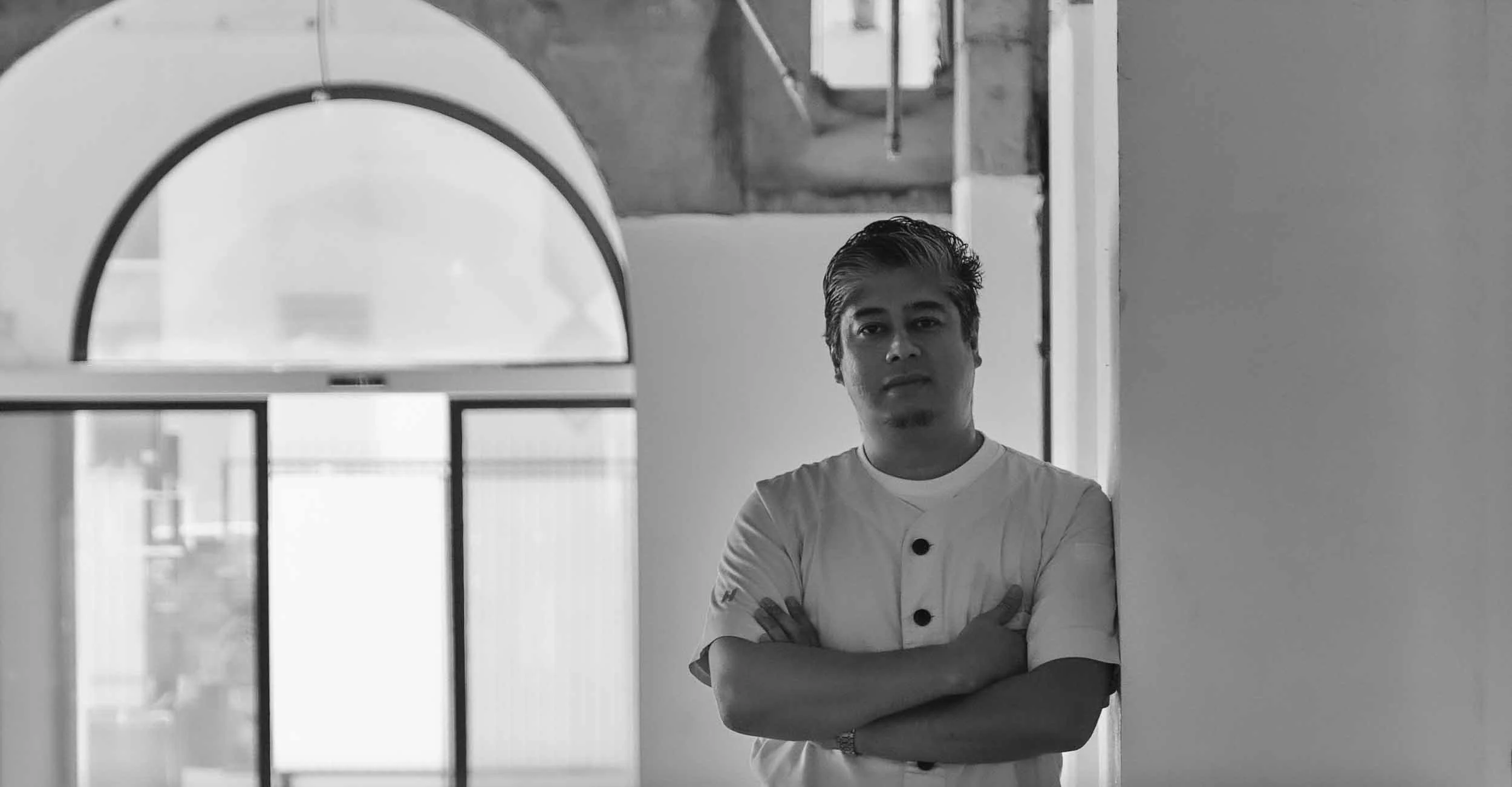
Growing up on hard labor and sacrifice
Akmal Anuar was never a stranger to opposition, hard labor and sacrifice. In fact, he grew up on it. When he was still in primary school, his parents acquired a hawker stall at the local market and young Akmal was immediately put to work.
“My dad borrowed the 40,000 dollars he needed from family,” he recalls. “The entire family had to help: My mom did the cooking. She had never cooked before professionally. And I, too, was dragged down to the stall. The focus was on the business, not my education.
My parents did not care about my grades, whether I could be a lawyer or whatever. I was so young. It was a tough life,” he says somewhat solemnly. “We did not travel. We never took breaks. On Sundays, my friends would go play soccer or to the arcade. “I would work from 6 AM to 4 PM. That was it. That was my life growing up till I was probably 21-22 years old.”
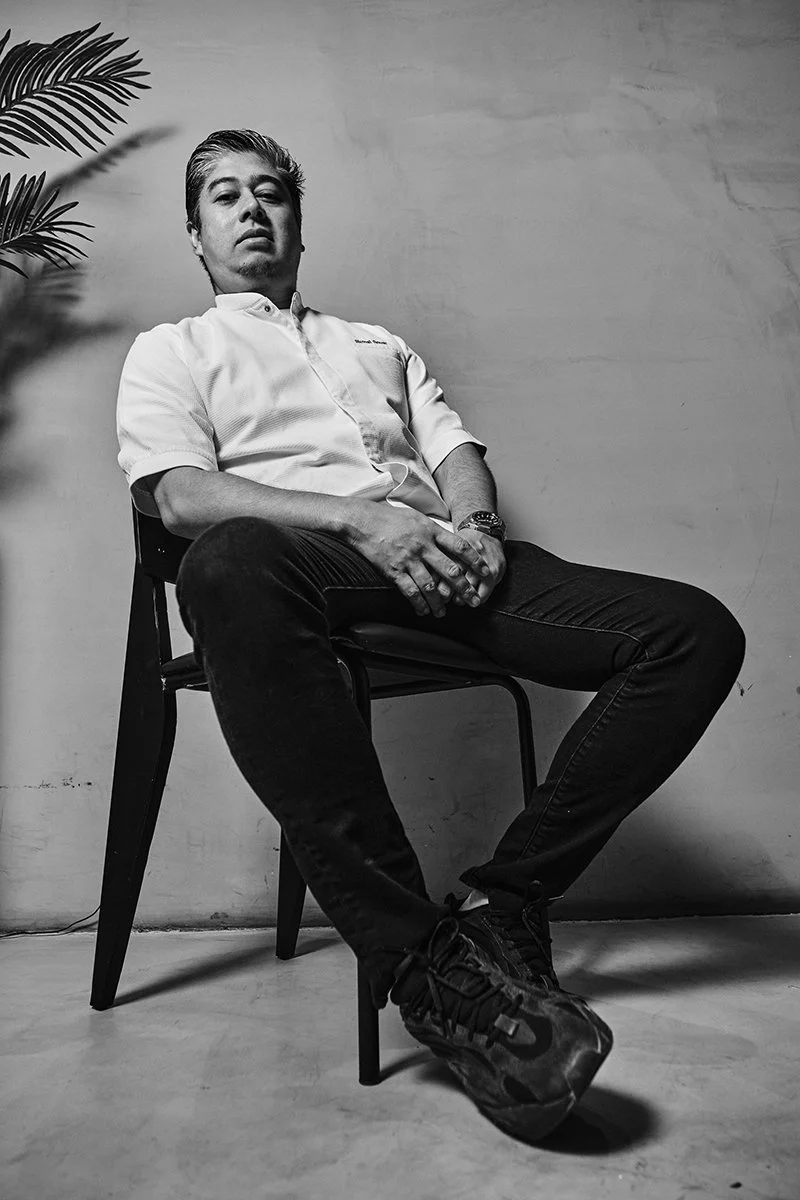

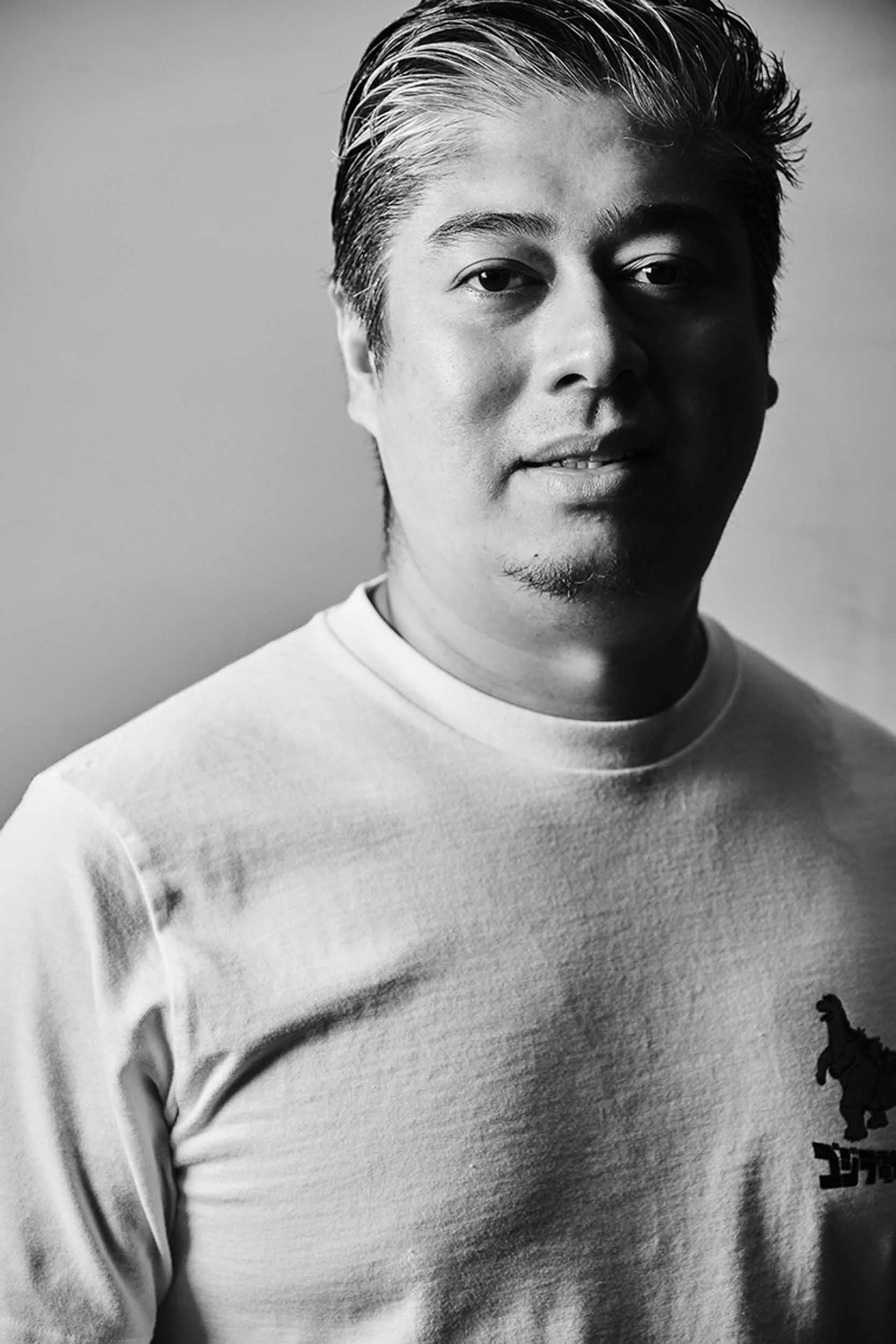
Huddling his way through life and school, best as he could. Akmal knew he needed some sort of secondary education. One day he found a brochure for a local culinary school. He showed it to his dad, who, he says with a grin, could probably not be less impressed “You’re not getting a cent from me for school,” Akmal imitates with a contagious laugh “No way, you fail every time. So, I got my mom convinced. And I got in. I can’t remember how, but I got in. Two years later, I failed miserably,” he laughs heartily.
I would work from 6 AM to 4 PM. That was it. That was my life growing up till I was probably 21-22 years old.
“I don’t know how, but I eventually graduated. I worked in a bar making onion rings, fries, jalapeno poppers from 6 PM – 2 AM. Then 9/11 happened, crisis struck, company closed. I was jobless for a long time. Doing manual labor. Anything,” he fast-forwards through the very early beginnings of his career.
Look, this is a real chef!
One day, during those early days of his cooking career. It happened. The first crush with cooking. He was riding on the back of my buddy’s bike, Akmal recalls from his slur of memories, and they came by a local restaurant. The chef was sitting on the stairs, smoking, wearing full chef’s white, white hat, the marks of a chef. His friend pointed and spoke the lines that carved their way into Akmal’s memories. ”Look at that guy. He is a chef. You are wasting your life cooking fries every day. Look, this is a real chef.”
The words stuck. And they inspired him, Akmal recalls: “I went and applied for a job,” he nods, “and the guy said, look, you have no experience, you start from the bottom! So I did: I washed dishes, did butchering, cleared stock, made staff meals,” he smiles, weighing his words carefully: “One thing I truly learned from that place was discipline. The discipline of a chef,” he concludes on the topic of life lessons. Lessons he would probably come to hope would have also included world knowledge and the ability to read people.
I was legit worried that if anything went bad, they would just shoot me and throw me in the back.
“After getting my bearings, he recalls, “I wanted to get out of Singapore. So when I was offered a hotel job in the Solomon Islands, Booked a flight immediately. The names, the hotel name, it all sounded like paradise,” he thought, but was quickly brought back to reality. I arrived in a third world country. People did not wear shoes, they had just finished a civil war. And you know what,” he grins, “the hotel owners were gangsters! They had guns, man! I worked for a whole year without a single day off. I was legit worried that if anything went bad, they would just shoot me and throw me in the back.”
Double-click to edit...
Through a friend hailing from Australia, he eventually found an escape route out of misery to Brisbane - feeling lucky not to get shot in the back, he jokes.And It was in working in Australia and eventually finding his way back home that his culinary breakthrough happened. He worked for a year as sous-chef for famous top chef Emmannuelle Stroobant in Singapore, and eventually landed a job as Chef de Partie of then newly opened Iggy’s - now a fine dining institution.
“I ended up working there for nine years,” he recalls with wonder. “I Worked my way up to head chef. I cooked with David Chang, Eric Ripert. You name it. In 2009, I realized this was the path for me. I cooked with all the great chefs, ate at all the big restaurants, and I got to go to so many countries around the world.”
Only zombies and rats would come here
It was this trip around the world that landed him in his current location. Dubai. “Dubai is money,” he admits in all earnesty. Initially not thinking he would ever settle here. “They would fly me out in business class, with my wife, put us in a hotel, all expenses paid. Put us in a house. I thought, hey, why not? We arrived, we saw Dubai and were blown away.”
Yet, the original fascination was short lived.“I originally came here to work for a hotel. The opening was delayed for nine months. When it finally opened, the concept was such a mess. Then, in 2015, the market crashed. The restaurant closed for 45 days.” “I am leaving,” he declared. “I am sick and tired.”
At the time, his wife was pregnant with their third child and Akmal desperately needed something. “Some guys called me up,” he recalls of what would be the turning point of his career. “We have a place by the fishing harbor, they would say. I came, had a look and thought oh man, only zombies and rats would come here. Yet, they offered it to me as an investment.“
We sold our house in Singapore and opened what would be my first restaurant, 3Fils.


There was nothing to worry about, they assured him. The locals would be here, they said. And that was it. “I was sick and tired of working for the man,” Akmal put it matter-of-factly, “We sold our house in Singapore and opened what would be my first restaurant, 3Fils.”
And then reality hit him in the face. “I earned no salary for nine months, I was broke. Totally broke,” he sighs and continues down the painful road of how he nearly spent his last bucks sending his family back to Singapore and sleeping under a bridge, yet somehow soldiered on through sheer willpower and determination.
I regularly had to ask my chefs ‘How much do you need to survive?
“I built the restaurant really, really slowly. Nobody came. We were making maybe 200 dollars per day. I could not pay salaries. I regularly had to ask my chefs ‘How much do you need to survive?’ They had worked with me for so long and they understood. Slowly, we built it up. I was there day in and day out. I put my heart into it. We could not even afford a manager. Or a trained waitstaff. We pulled people from the street. And told them to just treat people like they had come to their own house. Do your best.”
And so they did. Five waiters. Five chefs. And then suddenly, in 2019, they exploded onto trend-setting lists like Forbes’ Top Ten Restaurants and 50 Best Discoveries.

Double-click to edit...
Return on investment, finally making it
“How,” he says as if expecting the question. “I invested myself. I reached out to friends. All over the world. I would do four-hand dinners. At no charge.”Suddenly the young chef was in Beijing, Singapore, all over. He met people, the right people, voices of the industry, and one and all he told them the same thing: “Come to Dubai, I will take care of you.” … And they actually came!
Yet, having been on the receiving end of a life lesson, Akmal still had little hope. It never crossed his mind that they would make it. “Then one day,” he smiles, “an email came in, as if to say ‘congratulations, you made it!’ It was a booking from Sao Paulo and I had no idea how to react. “Guys,” he says pointing at an imaginary crew, “we need to pull up our socks now. This is getting serious!”
And then. Just as things were kicking off. Covid happened. And other bad things that the otherwise openhearted chef prefers not to talk about. “When I left,” he states matter of factly, “I did not want to be in a restaurant again!”
I did not want to be in a restaurant again.

Double-click to edit...
My life’s work, 11 Woodfire
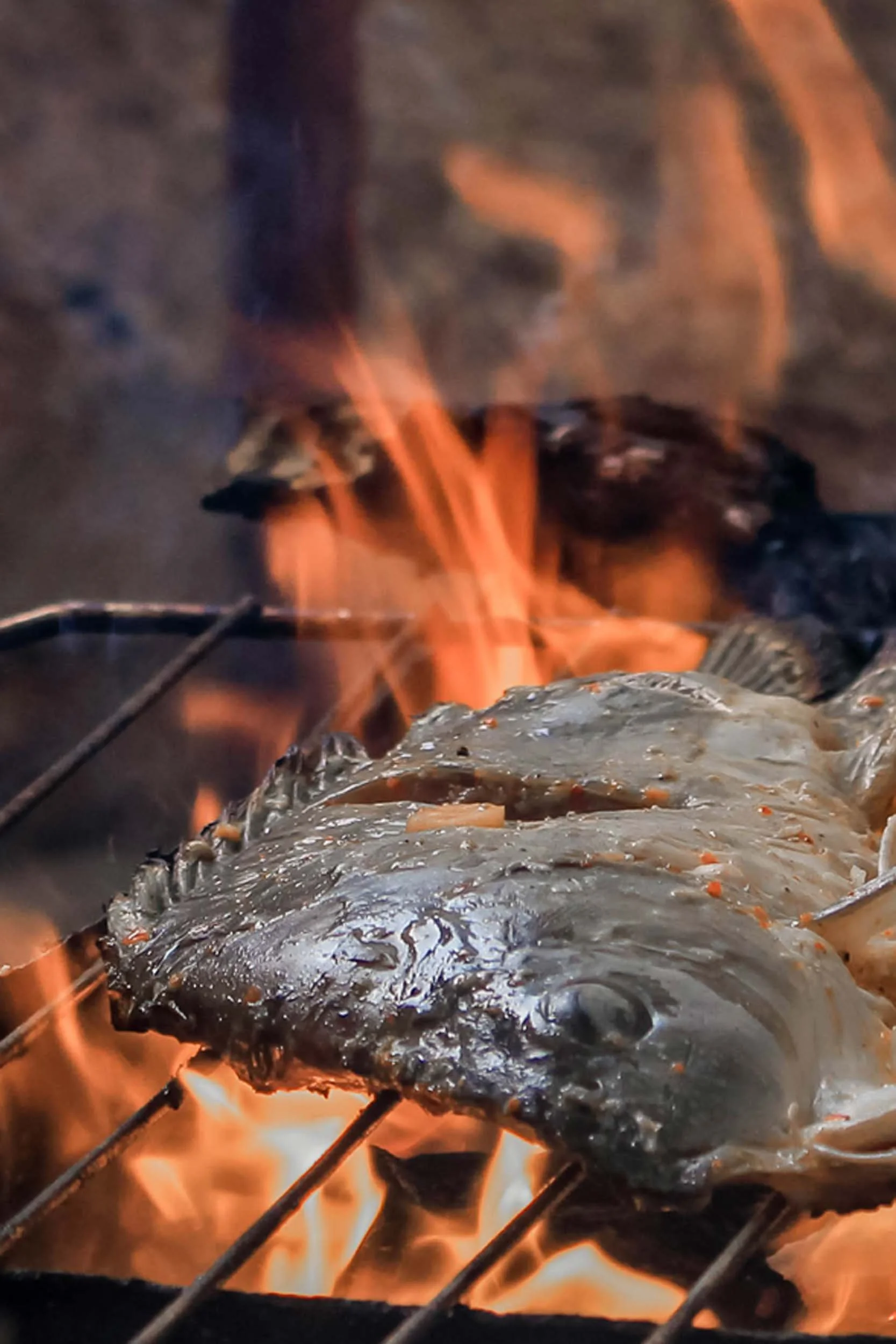
Luckily, opinions change over time. And here, after a crash course in the harshness of reality and strength through opposition, he sits, ready to begin the next chapter of his life: 11 Woodfire - a simple restaurant concept centered around simple, quality ingredients cooked over an open fire.
“I always dreamed of cooking with fire,” he says. “My culturaland ethnic background is Malay. My grandma lived in a village in Northern Malaysia. There was no gas. Everything was cooked on fire. What excites me about fire cooking is how it makes everything taste better.”
“In my heart, I wanted to do something meaningful. Something simple. 11 Woodfire to me is about heritage and creating equilibrium through the heartland, the ocean, and the botanical kingdom”, he adds. There is no fixed menu at 11 Woodfire. Akmal wants people to come for the experience, the moment and the connectivity. He wants to present what is best on any given day: chicken, venison and duck from the heartland, local salt-water seafood and vegetables freshly delivered by local producers, all cooked over open fire.
I have been through hell. And I have been through a pandemic. With 11 Woodfire, I am going back to basics. I am going to explain my heritage.
“This is not a concept,” he underlines thoughtfully. “So many restaurants are mere concepts and brands. Everybody is trying to think outside of the box. I am trying to think inside the box. Bringing back simplicity and the pleasures of eating out without distractions or interruptions. I want to be conscious. Sustainable. Local. More authentic. More down to earth.”
“This restaurant is the sum of my experiences through the years,” he offers from the heart. “What I have felt, smelled and tasted. This is a gamechanger. I know it is a risk. But it is a calculated risk worth taking. The way leading here, now that was a risk. Yet, I put so much heart into it and I pulled through. This, I know I can do. I am more experienced. As a chef, as a businessman and as a person. There is no excuse for not doing it.”
“I have been through hell,” he says rightfully. “And I have survived a pandemic. With 11 Woodfire, I am going back to basics. I am going to explain my heritage. Where I come from. How I grew up. What I eat.”
